Hi! I’m Ruth
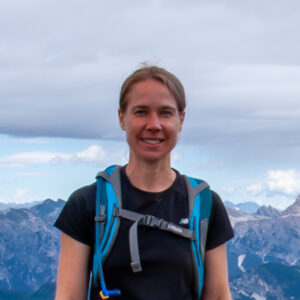
I’m a science journalist, biologist and photographer.
You’ll find stories here about the natural world and our place in it.
I most enjoy writing about biodiversity – the amazing variety of life on earth, from animals to plants to habitats and ecosystems. I also write about conservation, pollution, climate change and environmental policy.
To read evidence-based stories about the natural world that go beyond the usual narrative, check out my weekly blog Nature Signals or my three-part series about the reasons behind the butterfly declines in the U.S. and worldwide.
Or, if you’re short on time for reading, check out my podcast Nature Signals to listen to the latest biodiversity news!
Nature Signals blog
Up-to-date, science-based stories about the environment.
What you can expect:
Every week, I roughly alternate between:
- A post about a biodiversity or conservation topic, often based on a recent study, together with the larger context and solutions, and
- A summary of recent news stories about biodiversity, pollution, climate change or sustainable agriculture, with links to more information for folks who want to dive in deeper.
If you’d like to get new posts sent directly to your inbox every week, subscribe to my newsletter via Substack:
In-depth series: Butterflies in crisis
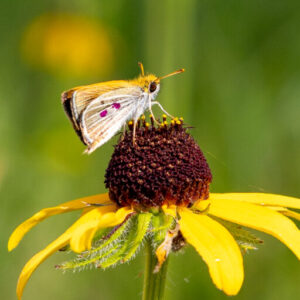
Butterflies are declining all over the world, as are many other insects in what many experts are calling the ‘insect apocalypse.’ Losing insects could have far-reaching consequences for humans. But what’s driving the losses?
Read my three-part series about the decline of butterflies, potential causes and how an international partnership of scientists, conservationists and everyday people worked together to stop the extinction of one prairie butterfly in the nick of time.
Podcast
Don’t have time to read? I hear you! I’ve started recording my blog posts – you can find them wherever you listen to your podcasts (Spotify | Apple Podcasts)