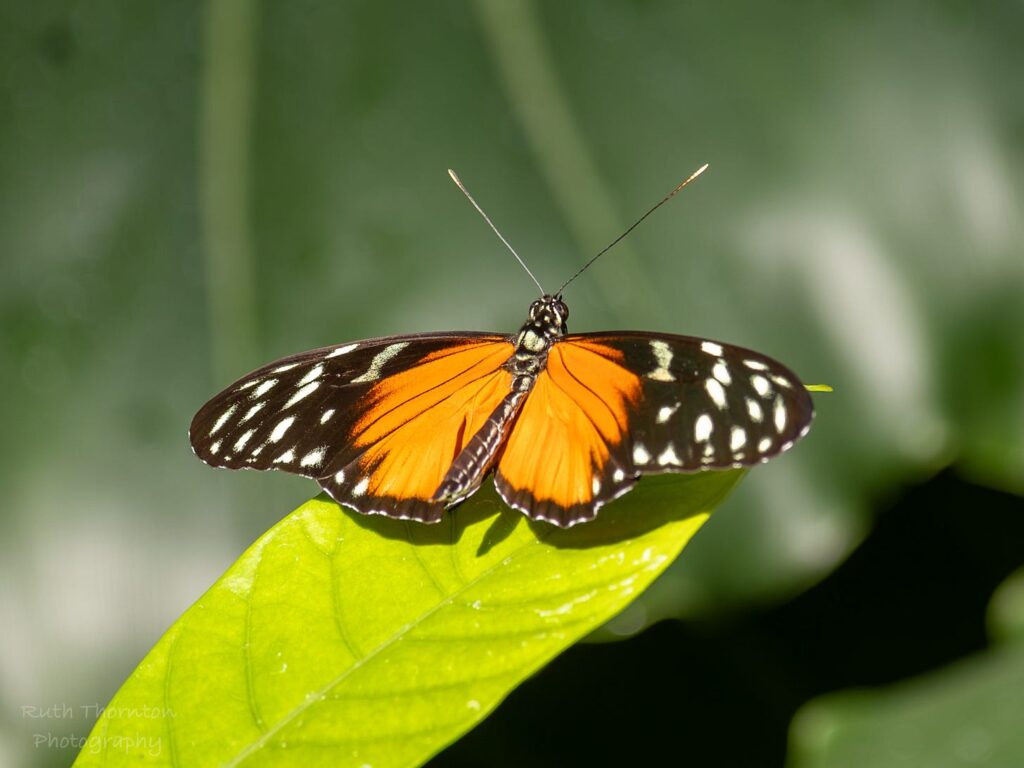
Nearly a century of records reveals butterfly and beetle losses started long before the ‘insect apocalypse’ alarm was raised.
Insects are in trouble. Scientists have been warning about an impending ‘insect apocalypse’ for nearly a decade, documenting alarming global declines over the past quarter-century that could have far-reaching consequences for agriculture and the wildlife that depends on them for food.
Now a recent study found that insect declines began even earlier than previously documented in Switzerland, revealing a decline in butterflies and beetles that goes back nearly 100 years.
The new insights could dramatically change scientists’ interpretation of research on insect diversity and abundance by demonstrating that short-term studies covering only a few decades may start from populations that have already been significantly depleted.
If you’d like to get new posts sent directly to your inbox every week, subscribe to my newsletter via Substack:
Analyzing butterfly and beetle occurrences over the last century
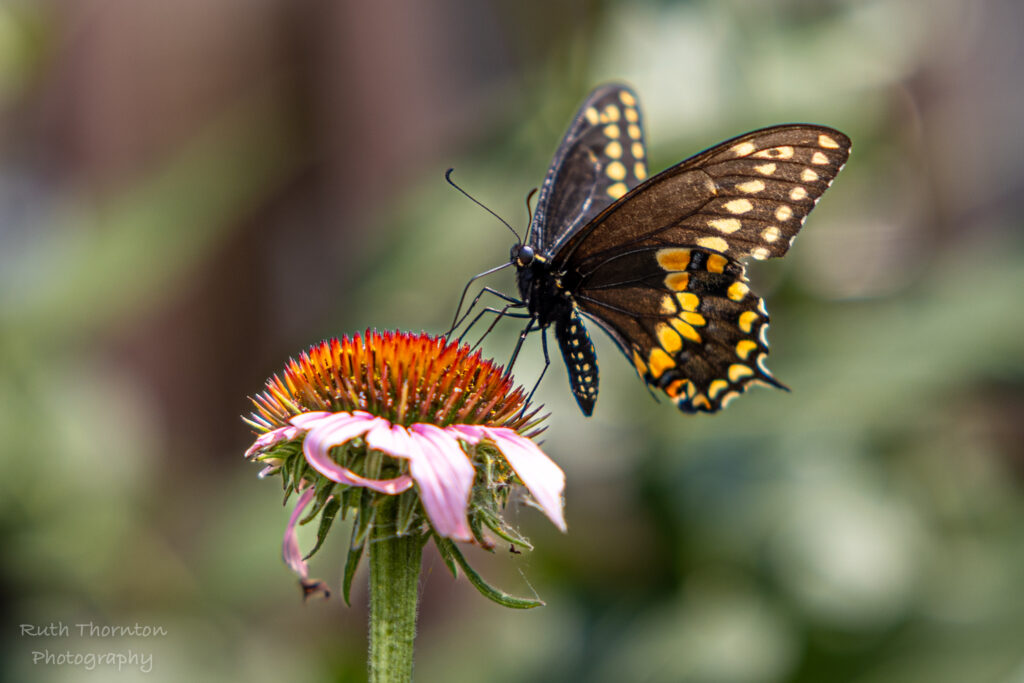
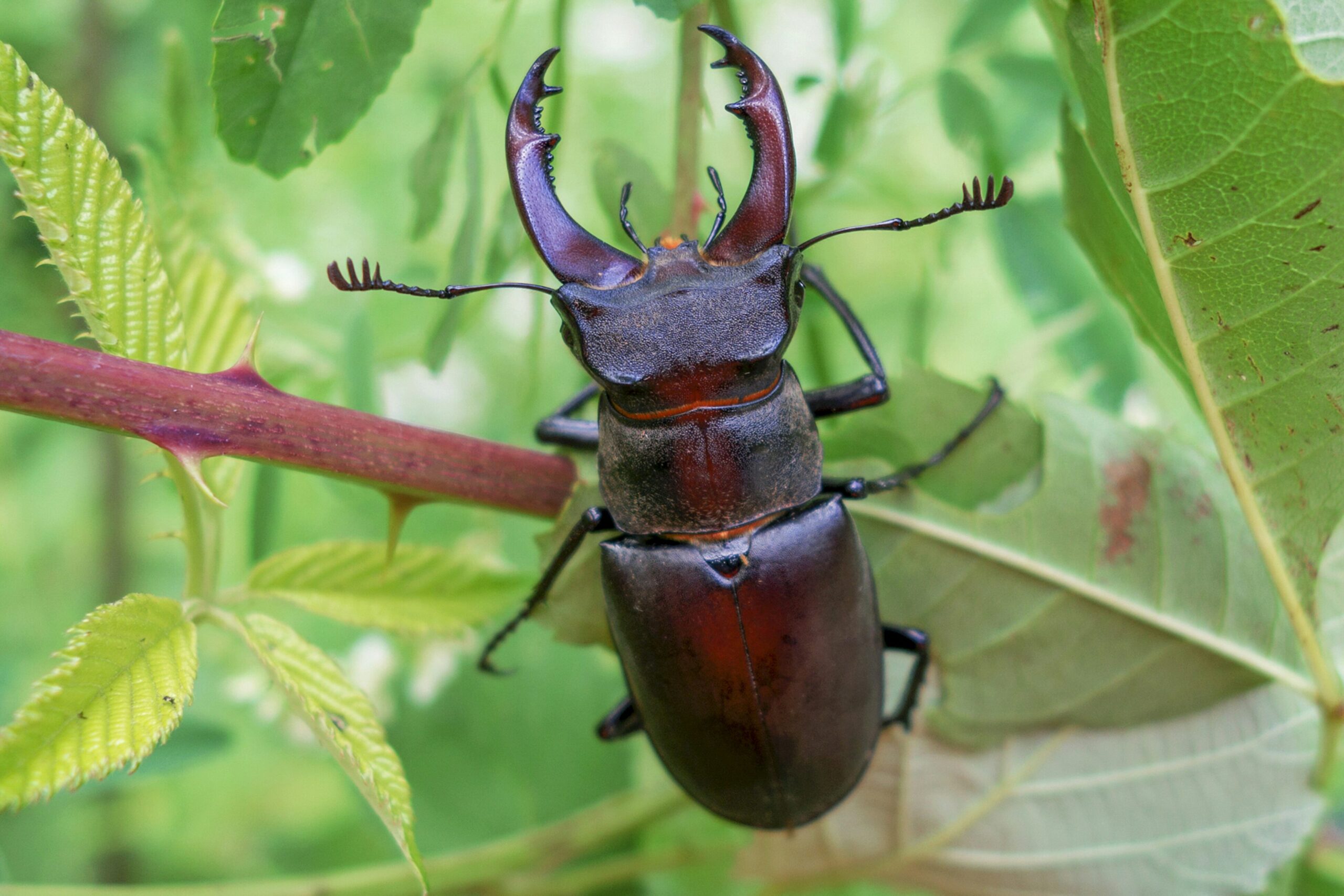
The researchers pored through a long-term data archive of insects observed in Switzerland since 1930 to analyze any changes in the diversity – or the number of species, aka the ‘species richness’ – of butterflies and so-called ‘deadwood’ beetles, or beetles that depend on dead or rotting wood, such as the impressive stag beetle or bark beetles.
They chose the two groups to represent overall insect diversity because people tend to pay more attention to them than many other insects, as they’re often easier to identify.
“People have always been fascinated by large insects such as butterflies and beetles. Consequently, there are numerous historical specimens, as well as reports in modern observation apps,” said Felix Neff, the lead author and a researcher at the Swiss agricultural research center Agroscope, in a statement.
The study was published in the journal Nature Ecology and Evolution. A dozen scientists from several universities and institutes contributed, including the Swiss Federal Research Institute WSL, the University of Zurich and the University of Basel.
Identifying population trends
The researchers were interested in identifying trends in changes in insect diversity over time in response to changing environmental conditions like habitat loss, logging, agriculture and climate change.
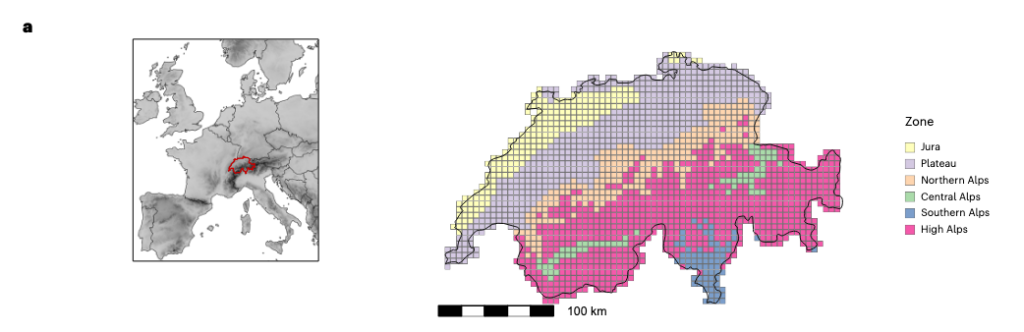
To do that, they divided Switzerland into six zones according to their natural characteristics and human uses over the past century. Some regions experienced high human population, agricultural or logging pressures and others less so.
The researchers then searched Switzerland’s impressive long-term database of wildlife and invertebrate species, info fauna, for observations that would allow them to track individual species throughout the survey period of 1930 through 2021. They ended up with 1.2 million records from 595 beetle species (out of around 1,000 species that occur in Switzerland) and 216 butterfly species (out of about 230 species) that fit the bill.
Because of the nature of the data, the authors examined only whether a species was present or absent in a particular location, not how many individuals were observed. They divided the country into a grid of 5-kilometer by 5-kilometer squares (about 3 miles by 3 miles), recording the number of species found in each square and how human, environmental and climate conditions changed over time.
What they found was surprising.

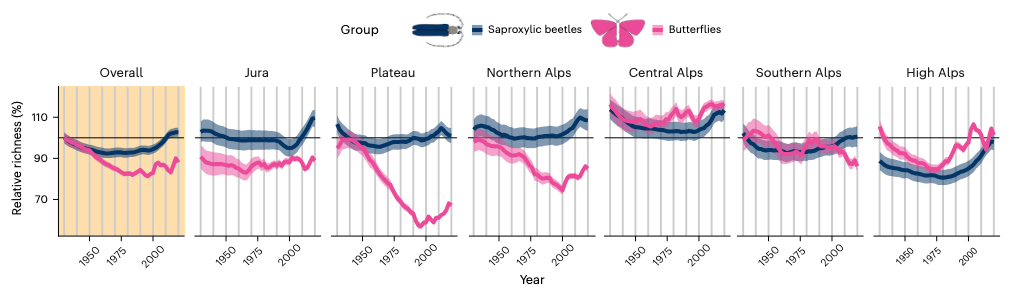
Widespread declines in butterflies and beetles through the 1950s
On average across Switzerland, both insect groups steadily lost species starting in 1930. Deadwood beetle species richness stabilized in the 1960s and then increased again until it reached 1930 levels about 15 years ago.
The number of butterfly species, on the other hand, decreased until the 1980s, when it stabilized. Butterflies did not, however, recover like beetles, instead remaining less diverse through the end of the study period.
The results differed sharply among regions, with the two zones that are the most densely populated and with the most intensive agriculture also experiencing the largest butterfly declines. The Lowland Plateau, where two-thirds of the Swiss population lives, experienced a loss of nearly one-third of butterfly species.
“The sharpest declines, particularly in butterfly species, occurred during the period of agricultural mechanization and intensification (1950-1980), accompanied by structural homogenization of the landscape and increased use of fertilizers and pesticides,” the authors wrote.
Butterfly and beetle declines had different drivers
The beetles, on the other hand, were predictably affected by changes in forests, with increased timbering and the mechanization of logging leading to the loss of deadwood beetle species.
“Wood harvest intensity – an indicator of forest management intensity and deadwood removal – was particularly high during World War II,” the authors wrote. In some regions, however, the logging intensity increased slightly throughout the 20th century.
Large beetles were especially hard hit.
“Larger deadwood beetle species, such as the hermit beetle, declined more sharply than smaller ones, because large deadwood trunks remain in short supply even today,” the researchers wrote.
But some deadwood beetles recovered after the initial decline.
Conservation measures likely stopped the decline
The study team credited increasing environmental protection efforts with stopping the downward spiral of both insect groups and leading to the recovery of some of the deadwood beetles.
Starting in the 1970s, a growing environmental movement led to the adoption of biodiversity-friendly management practices, including leaving more deadwood on the ground during logging. That provides much-needed habitat for many wildlife and insect species.
Another reason for the increase in some deadwood beetles could be climate change.
Warmer temperatures benefit heat-loving species
Other studies have documented an increase in the number of deadwood beetle species in warmer climates, and Switzerland has warmed by 2 degrees Celsius (about 3.6 degrees Fahrenheit) over the last 100 years, the researchers wrote.
Climate change also causes more severe storms, which often damage forests and create deadwood, providing habitat for beetles that live in and feed on downed trees.
“The partial recovery in species numbers suggests that conservation measures are having an effect, particularly in forests, and that climate change is having a positive impact on some species,” said Kurt Bollman, one of the study’s authors and a senior scientist at the Swiss Federal Institute WSL, in a statement.
“However, more intensive efforts are still needed for numerous specialized species, like many butterflies,” he added.
Climate change effects on animals and plants are complicated
A warming climate not only makes the world hotter on average but also affects the timing and intensity of storms, causing unpredictable rain and snow events, flooding, droughts and changes to habitats.
Aspects that benefit one species often come at the detriment of others. Species that specialize in one particular plant or habitat may be the most vulnerable to the effects of both habitat loss and climate change, causing shifts in species assemblages that scientists don’t fully understand and can’t reliably predict.
Shifting baselines may hold back conservation efforts
The long-term nature of this research sets it apart from other studies that only have access to limited data. Few countries have kept a comprehensive and long-term record of animals like the Swiss National Fauna Databank, with some observations starting at the beginning of the 16th century.
That means that for most areas of the world it’s impossible to know how species may have been affected by humans before widespread recordkeeping began. Similarly, even for this set of insect groups, species declines may have begun before 1930. We just don’t know.
This is known as the ‘shifting baseline syndrome,’ where changing conditions become the new normal for each generation, even though the ecosystems they inherit may be degraded and not fully functioning ecologically.
Jeremy Kerr, a biology professor at the University of Ottawa who assisted with the peer review of the study, wrote, “This study is timely and vital… The shifting baseline problem is profoundly important and has led to serious problems in present understanding of how urgent the biodiversity crisis actually has become.”
But recognizing the limitations of our knowledge and adjusting conservation priorities accordingly will enable us to adjust conservation actions to benefit native species and help prevent further biodiversity loss.
If you’d like to get new posts sent directly to your inbox every week, subscribe to my newsletter via Substack:
It’s free to subscribe, but if you choose the paid option you’d support my work and help keep my articles free for those who can’t afford a paid subscription!
Not ready to subscribe? It takes many hours to research and write each post, so please consider supporting my work by buying me a coffee (or a beer…😄).
Links to more information:
- Neff et al., 2026. Ninety-year trends reveal sharpest insect declines in the mid-twentieth century. Nature Ecology & Evolution, 10:1103-1113.
- Zhou et al., 2023. Long-term insect censuses capture progressive loss of ecosystem functioning in East Asia. Science Advances, 9(5):eade9341.
- Goulson, 2019. The insect apocalypse, and why it matters. Current Biology, 29(19):R967-R971.
- Soga and Gaston, 2018. Shifting baseline syndrome: causes, consequences and implications. Frontiers in Ecology and the Environment, 16(4): 222-230.
- Hallmann et al., 2017. More than 75 percent decline over 27 years in total flying insect biomass in protected areas. PLoS ONE, 12:e0185809.
- info fauna, Swiss National Fauna Databank.