Insect declines threaten more than pollinators – wildlife could also be at risk, researchers warn
From feeding baby birds to recycling nutrients, a new study shows conserving insects has surprising benefits for other animals and biodiversity.
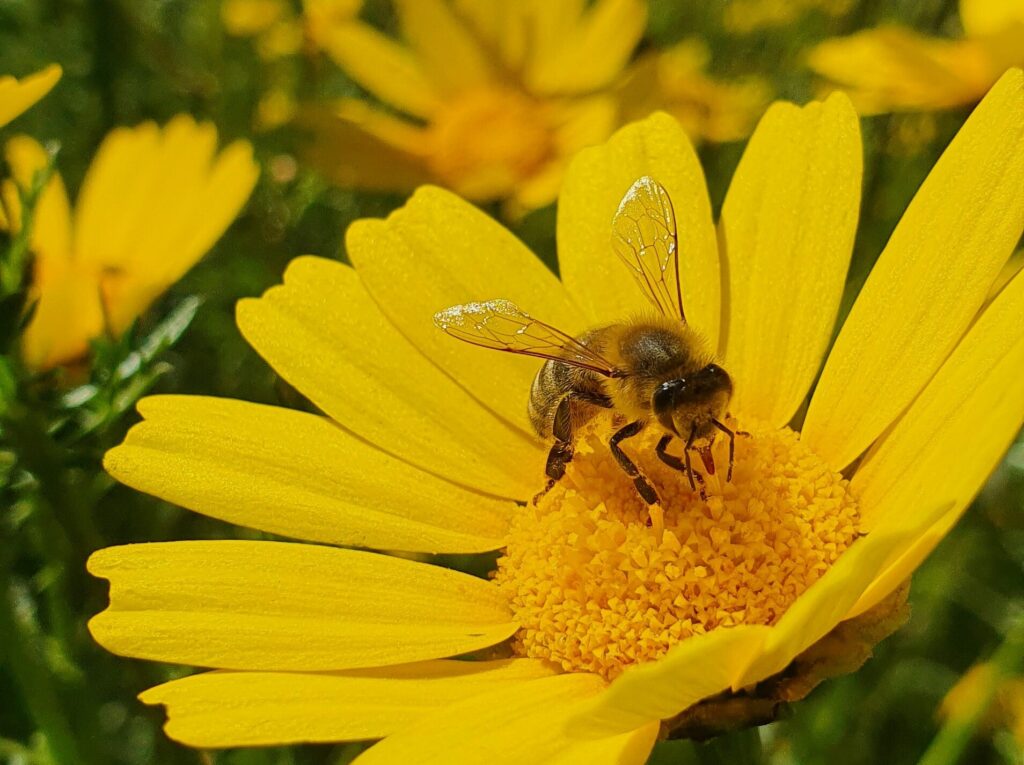
From feeding baby birds to recycling nutrients, a new study shows conserving insects has surprising benefits for other animals and biodiversity.
9/25/2026: Migrating birds are confused by bright lights, one in nine migratory birds are declining, birds actually enjoy flying, rare raccoons can make toys and scientists race to save coral reefs amid global warming.
The State of Nature Update #30 Read Post »

A global study finds nearly 10% of butterfly species have shifted where they live, but poor monitoring in the tropics could be hiding much larger changes.
Butterflies are on the move as climate change and habitat loss reshape their world Read Post »
A fungus nearly wiped out this majestic tree 100 years ago – now scientists are using genetics to make it resistant to blight.
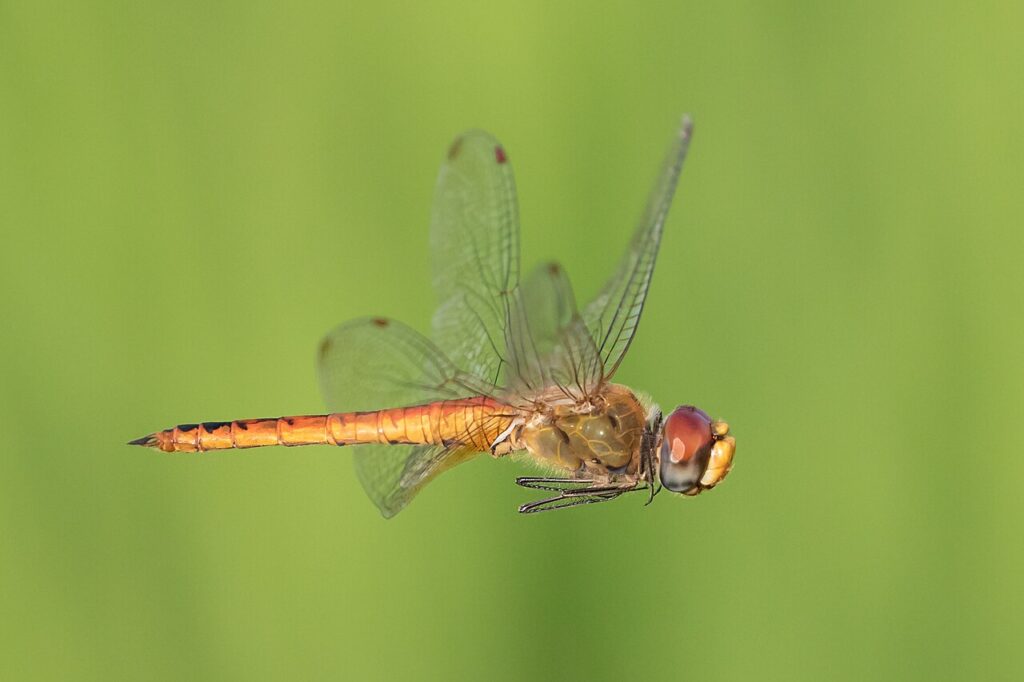
8/27/2026: The amazing transoceanic migrations of a tiny dragonfly, hotter forest fires are changing forests, city life supercharges evolution of animals, tiny penguins get bird flu vaccines and more…
The State of Nature Update #29 Read Post »
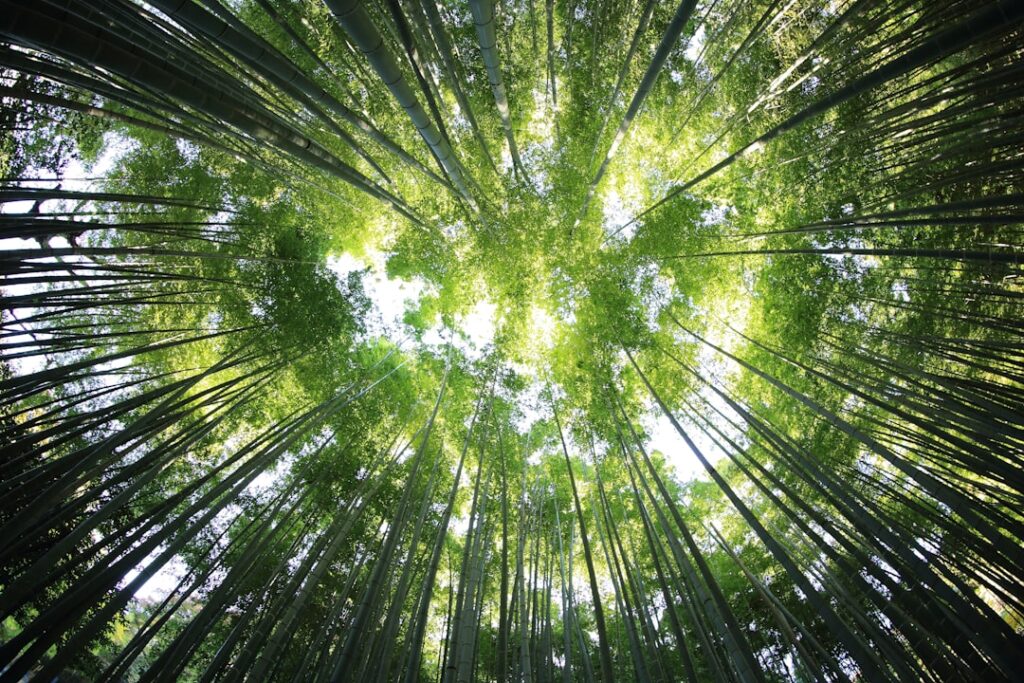
The world’s leading forest-certification system faces criticism, but evidence suggests it still makes a difference.
Can you trust the FSC label? What research says about sustainable wood Read Post »
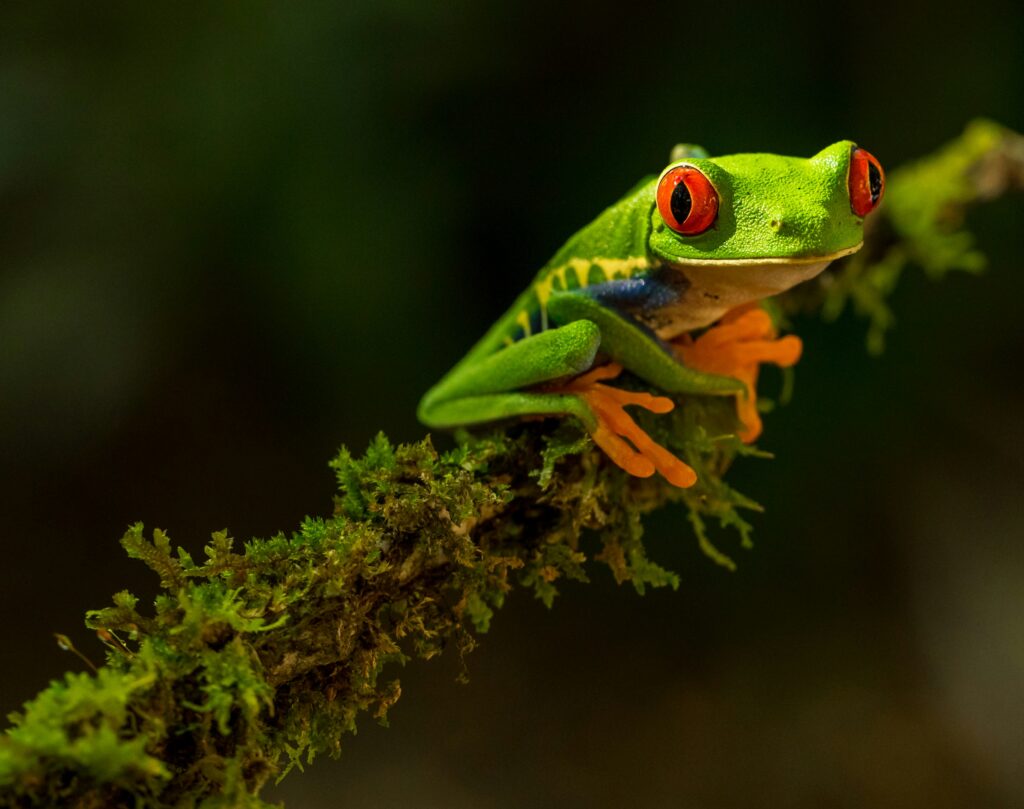
From bald eagles to butterflies, recovery stories prove that protecting nature is possible—but awareness and political will remain critical.
Biodiversity is declining. Conservation works. So what’s holding us back? Read Post »

Sea otters survived centuries of hunting, but scientists now warn that persistent PFAS pollution could threaten one of the Pacific coast’s most important marine mammals.
Sea otters once escaped extinction. Can they survive forever chemicals? Read Post »