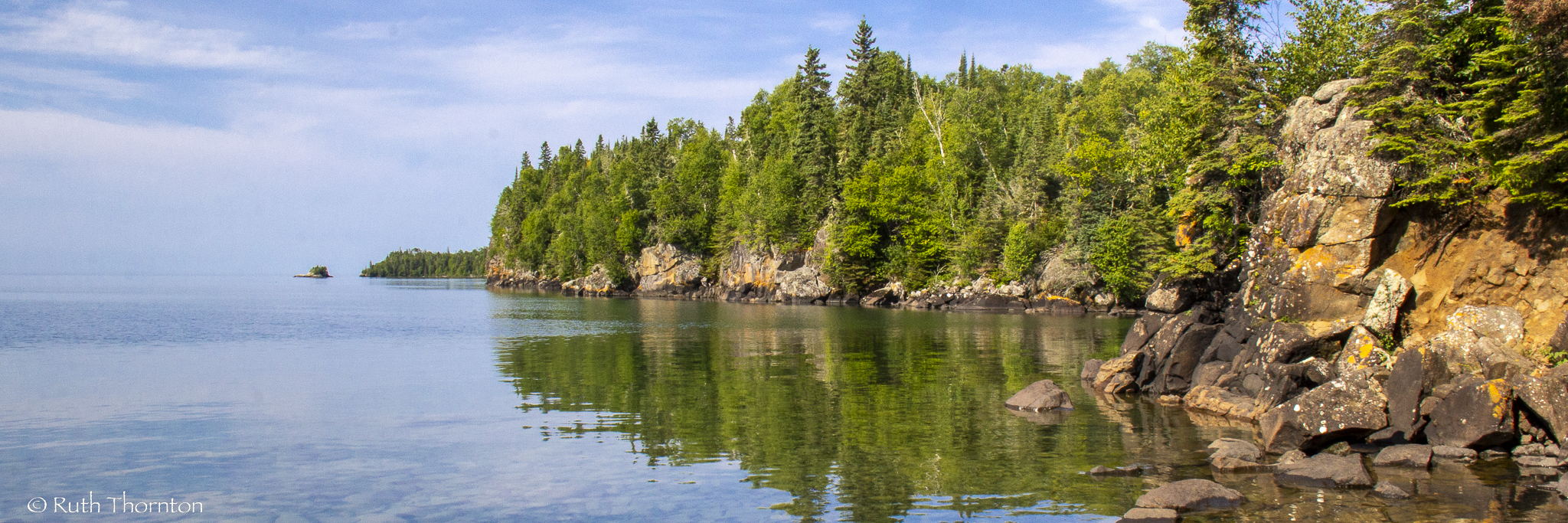
From bald eagles to butterflies, recovery stories prove that protecting nature is possible—but public awareness and political will remain critical.
Don’t have time to read this post? Listen to the podcast instead! Available wherever you get your podcasts – check out the podcast tab for links.
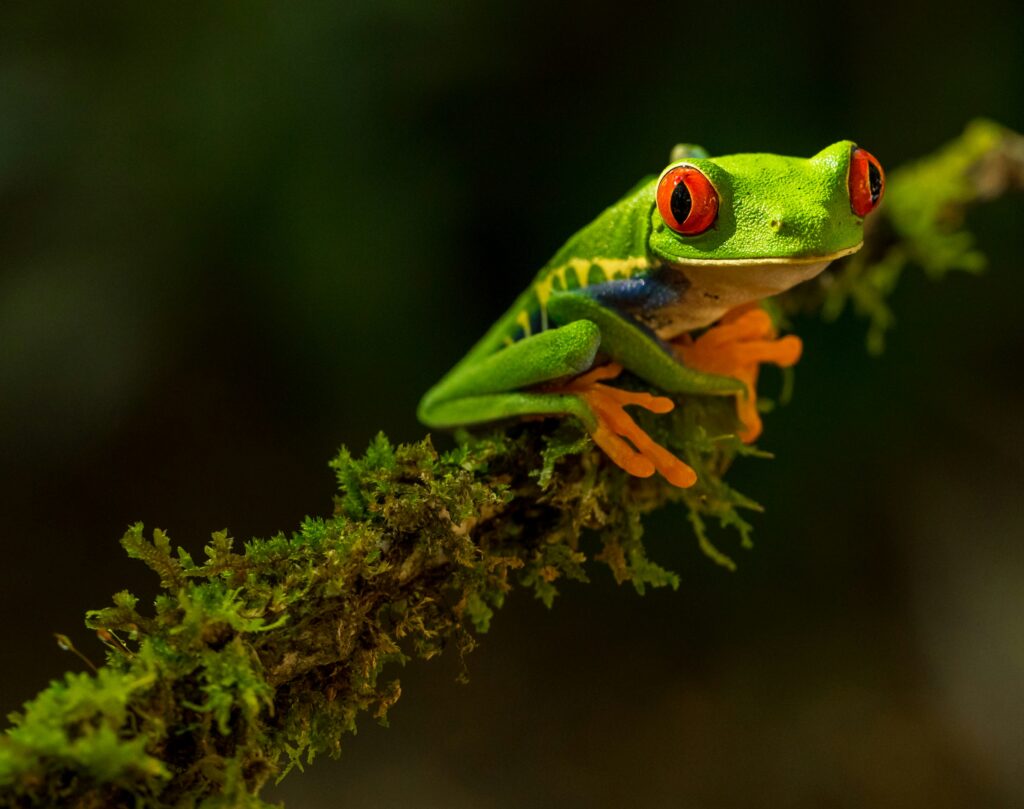
Those of you who have been following my newsletter know I love to write about the amazing variety of life on Earth – animals, plants, fungi, microorganisms and ecosystems. It seems every week brings new and exciting insights about nature and how it functions that I report in this blog.
Lately, I’ve been thinking about the media coverage of biodiversity – or, rather, the lack thereof – and the repercussions of this neglect. The little environmental coverage we do get is often dedicated to climate change, not the biodiversity crisis.
Don’t get me wrong, educating the public about climate change is essential if we want to prevent the worst effects of warming temperatures. But many scientists argue that biodiversity loss is at least as big a threat as climate change.
So why don’t we hear more about it?
If you’d like to get new posts sent directly to your inbox every week, subscribe to my newsletter via Substack:
We hardly hear about the conservation successes
I dug into this question in a commentary in Bridge Michigan and thought my Substack readers would appreciate an updated and expanded version that focuses not only on the reasons for the neglect but also starts a conversation about solutions.
Especially since the drastic loss of biodiversity is only part of the story, and unfortunately the one we usually hear about in the media. It seems it’s all doom and gloom – no wonder people tune out!
But I don’t think that’s quite right. There have been amazing conservation successes in recent decades – bald eagles, California condors, humpback whales, mountain gorillas and more nearly went extinct but are now recovering. Many rivers are cleaner now than they were decades ago.
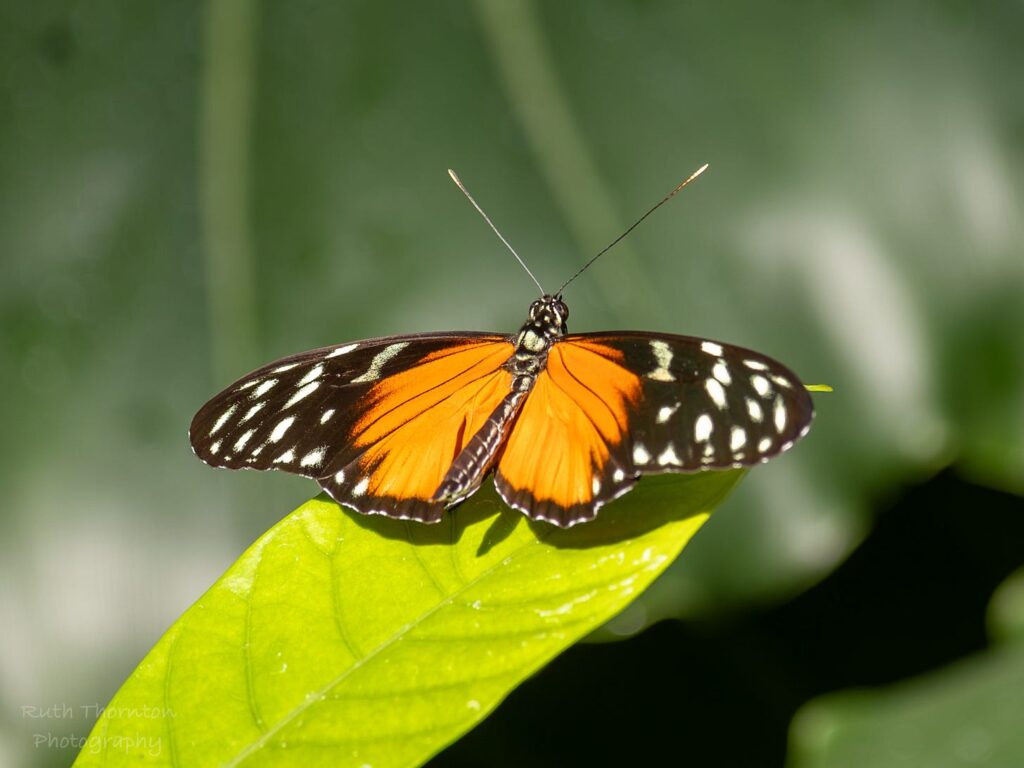
The tiny Poweshiek skipperling, a butterfly that once flourished across the northern prairies in the U.S. and Canada, almost went extinct before dedicated efforts by a coalition of zoos, nonprofits and state and federal agencies stopped the decline. Now numbers are increasing again in Michigan.
To learn more about the amazing journey of this charismatic little butterfly, check out this post:

These successes show we know how to stop – or at least slow down – biodiversity loss. We just need the will to do something about it.
Nature needs our help
Despite the wins, the situation is still dire – according to a 2019 United Nations report, 75% of the global land surface has been changed and 85% of wetland area has been lost. Around a quarter of assessed species are threatened with extinction, including 26% of mammals, 41% of amphibians, 12% of birds and 34% of conifers. Of the world’s largest carnivores, 59% are threatened, as are 60% of the largest herbivores.
This is not a remote issue that only affects rainforests and coral reefs in faraway places. For example, where I live in Michigan, biodiversity is also at risk: we have lost over 99% of our prairies and savannas, about 50% of our forests and nearly 40% of our wetlands. More than 400 animals and plants are on the state’s endangered and threatened species list.
While Michigan has joined former President Biden’s “America the Beautiful” initiative – also called “30 by 30” – which seeks to protect at least 30% of our lands and oceans by 2030, so far, less than 20% of Michigan’s land is protected. The State has no clear plan how we will meet our own ambitious “Michigan the Beautiful” goal.
The situation is similar across the U.S., in Europe, Australia, Asia, Africa and Central and South America: a 2024 United Nations report estimates that only around 18% of land and inland waters and 8% of the ocean and coastal areas are protected.
It’s clear that global leadership does not value biodiversity. Why is that?
Neglect by the media
Part of the reason is probably that the biodiversity crisis has been largely ignored by mainstream media. It has not been covered nearly as much as climate change – not a high bar to say the least.
A 2018 study found that media coverage of climate change was up to eight times higher than that of biodiversity. A 2010 assessment of coverage in the Guardian found more than 20 times more articles on climate change than biodiversity. And even when biodiversity is covered, it’s not always reported accurately or comprehensively.
However, not only scientists are concerned about biodiversity loss. The World Economic Forum surveyed over 1,300 experts from academia, business, government, the international community and civil society in their 2026 Global Risks Report. The top three global risks over a 10-year period identified in the survey were all environmental factors: extreme weather events, biodiversity loss and ecosystem collapse, and critical changes to earth systems. Two more environmental factors were in the top 10 global risks: natural resource shortages and pollution.
In Britain, a recent national security report concluded that “global ecosystem degradation and collapse threaten UK’s national security and prosperity,” risking “geopolitical instability, economic insecurity, conflict, migration and increased inter-state competition for resources.”
Again, then, why aren’t we seeing more attention and actions to protect the world’s biodiversity?
Climate change vs. biodiversity loss?
Has the relatively scarce climate change coverage diverted the public’s limited attention from other environmental problems? Could it be that the public has only so much attention it can spare for environmental problems?
Or, is the concept of biodiversity simply too complex? After all, it can refer to genes, species and even entire ecosystems. Biodiversity loss has many causes – land use change, overexploitation, pollution, invasive species, among others. That makes not only measuring what is lost difficult and confusing, but also how to solve it.
As with climate change, the biodiversity crisis is also hobbled by extinction denial from corporations and individuals with a stake in exploiting natural resources.
Biodiversity loss is also hard to measure. How does one quantify the diversity of all life on earth, from genes to bacteria to elephants to rainforests, in simple terms? It’s an almost overwhelming concept.
To counteract these forces and clearly communicate the uncertainties and nuances of biodiversity loss – we don’t even know such basic facts as how many species exist in the world – requires experienced journalists. At a time when science journalism is facing an “identity crisis” and environmental coverage is cut from many newsrooms, it’s difficult for reporters to spend the time to get the science right and convey nuanced information to the lay public in a comprehensible way.
The consistent lack of attention by mainstream media has consequences. A survey by the European Commission found that while 71% of people had heard of the term ‘biodiversity,’ only 41% know what it means.
The public generally values nature
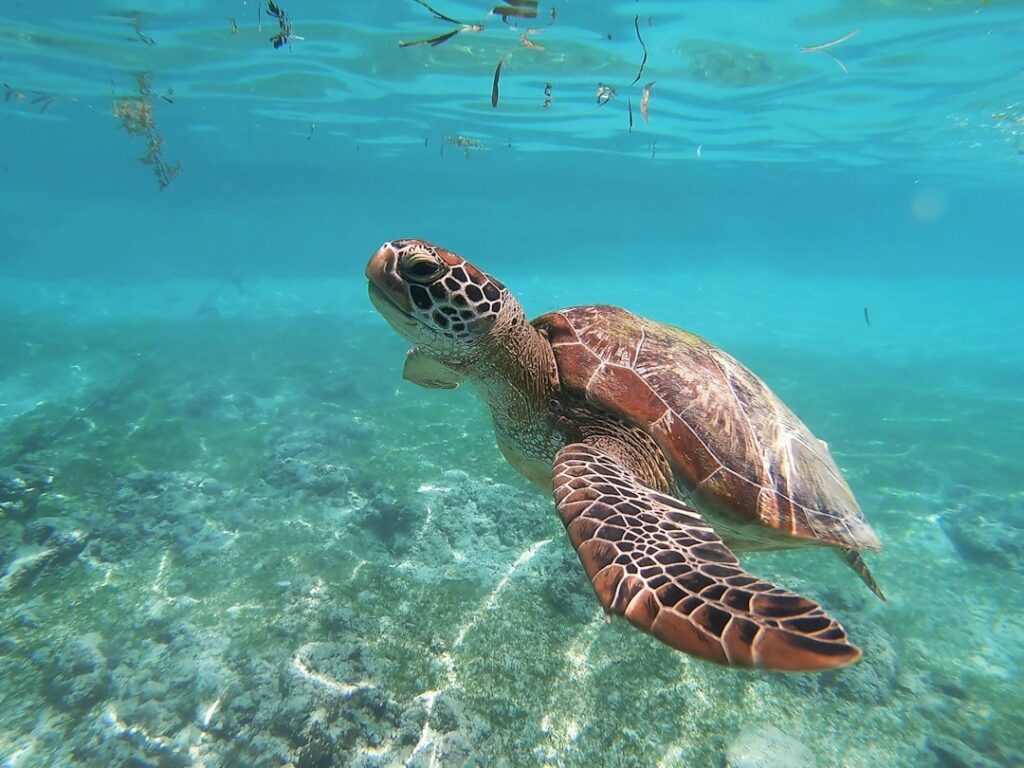
Yet the public is clearly interested in nature. Live streams of wildlife and natural scenes attract millions of viewers. I was recently at a Chinese restaurant that showed soothing videos of sea turtles in a serene blue ocean on large screens in the dining area. How cool is that!
How can we translate this interest in nature into not only awareness of biodiversity but also meaningful conservation action?
I don’t have all the answers, but I think part of the solution is to use storytelling to communicate the beauty, fragility and interrelatedness of nature in a way that resonates with people. Audiences are more engaged and take action when stories are emotionally relatable.
It may be time to revisit some methods from the early days of environmental reporting, when outdoor writers combined personal narrative with conservation coverage.
That’s also, incidentally, why I started this newsletter. And there are plenty of other excellent writers on Substack doing the same thing.
How to deliver the message
How the message is delivered also matters. Many scientists and conservationists try to persuade people to protect nature by explaining how useful it is – the “ecosystem services” argument. But studies have shown that can backfire, as many people value wildlife for its intrinsic value – because nature is beautiful and amazing.
I don’t think everyone – particularly the “powerful,” politicians and corporations – is persuaded by arguments of beauty and intrinsic value, however. Too many are interested in their profits (especially short-term profits) or their ability to be elected. And nature does not operate on a quarterly basis.
We also need to realize that for many people, caring about nature for its own sake is a luxury. Many people around the globe live day by day and they have to make hard, financial decisions to make sure their families are fed, warm and safe. For them, those concerns come first, and I don’t blame them.
The sad fact, however, is that what harms biodiversity also often harms us. Water and air pollution does not only target animals, we are also hurt. The causes of biodiversity loss are complex and differ by species, but many of these causes also have direct negative impacts on our own health and well-being. Chronic diseases and cancer are on the rise. In some ways, protecting biodiversity is a selfish act.
However, if all people hear about is the dire state of nature, they’ll just tune out. That’s why it’s so important to cover the conservation successes and celebrate every species brought back from the brink of extinction, and every river and wetland cleaned up.
We also shouldn’t sugar-coat the challenges – after all, if all people hear is the good news, why would they want to get involved and try to do something about it?
The trick is getting the balance right, and I don’t think we’ve been very good at that.
What do you think? What can be done to raise awareness without causing hopelessness?
If you’d like to get new posts sent directly to your inbox every week, subscribe to my newsletter via Substack:
It’s free to subscribe, but if you choose the paid option you’d support my work and help keep my articles free for those who can’t afford a paid subscription!
Not ready to subscribe? It takes many hours to research and write each post, so please consider supporting my work by buying me a coffee (or a beer…😄).
Links to resources:
- United Nations, 5/6/2019: UN report: Nature’s dangerous decline ‘unprecedented;’ species extinction rates ‘accelerating.‘
- International Union for Conservation of Nature Red List.
- ScienceDaily, 1/20/2012: Biodiversity crisis is worse than climate change, experts say.
- Legagneux et al., 2018: Our house is burning: Discrepancy in climate change vs. biodiversity coverage in the media as compared to scientific literature.
- Zaccai and Adams, 2012: How far are biodiversity loss and climate change similar as policy issues?
- Lees, Attwood and Phalan, 2020: Biodiversity scientists must fight the creeping rise of extinction denial.
- United Nations, 2024: World must act faster to protect 30% of the planet by 2030.
- The Guardian, 9/16/2010: Public awareness of the biodiversity crisis is virtually non-existent.
- World Economic Forum, 2026: Global Risks Report 2026.
- UK Government, 2026: Global biodiversity loss, ecosystem collapse and national security. A national security assessment.
- Center for Biological Diversity: The elements of biodiversity.
- The Nature Conservancy, 2022: America the Beautiful.
- The Conversation, 4/28/2019, by Tanya Latty and Timothy Lee: How many species on Earth? Why that’s a simple question but hard to answer.
- Michigan Natural Features Inventory, 2008: Biodiversity assessment of Michigan technical report.
- Michigan Department of Environmental Quality, 2014: Status and trends of Michigan’s wetlands: Pre-European settlement to 2005.