A little-studied global industry links entertainment, conservation and millions of farmed insects.
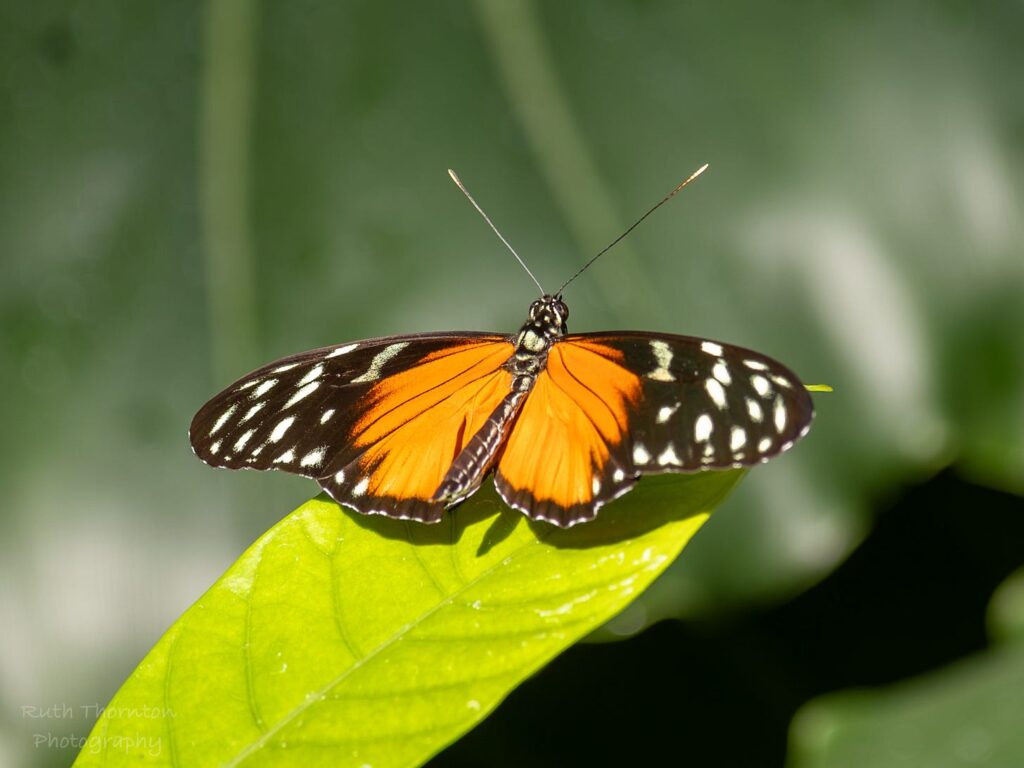
A month or two ago I wrote about a popular butterfly exhibition in West Michigan, and as I walked through the lush conservatory, admiring the more than 7,000 tropical butterflies filling the enclosed space, I couldn’t help but wonder about the effects of butterfly farming on conservation.
Are butterfly houses really a boon for butterflies, as proponents claim?
So I decided to delve into the topic and find out what the pros and cons of the global trade in butterflies are – for the insects themselves, their habitats and the people living in the local communities where they are farmed, mostly in the Global South.
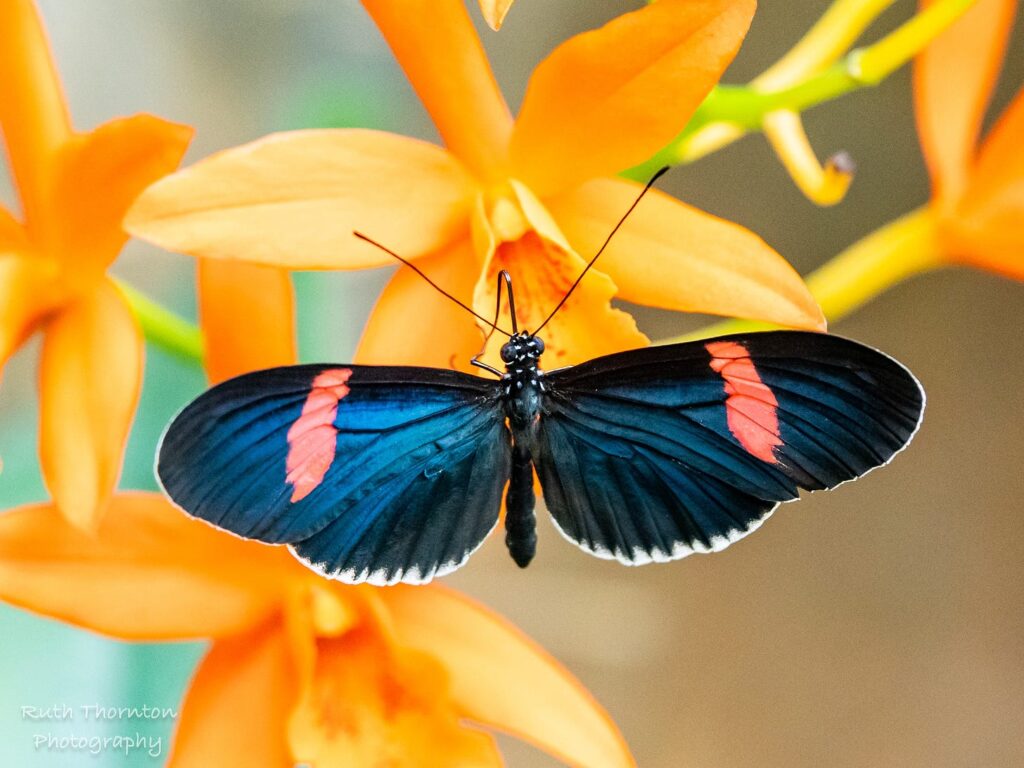
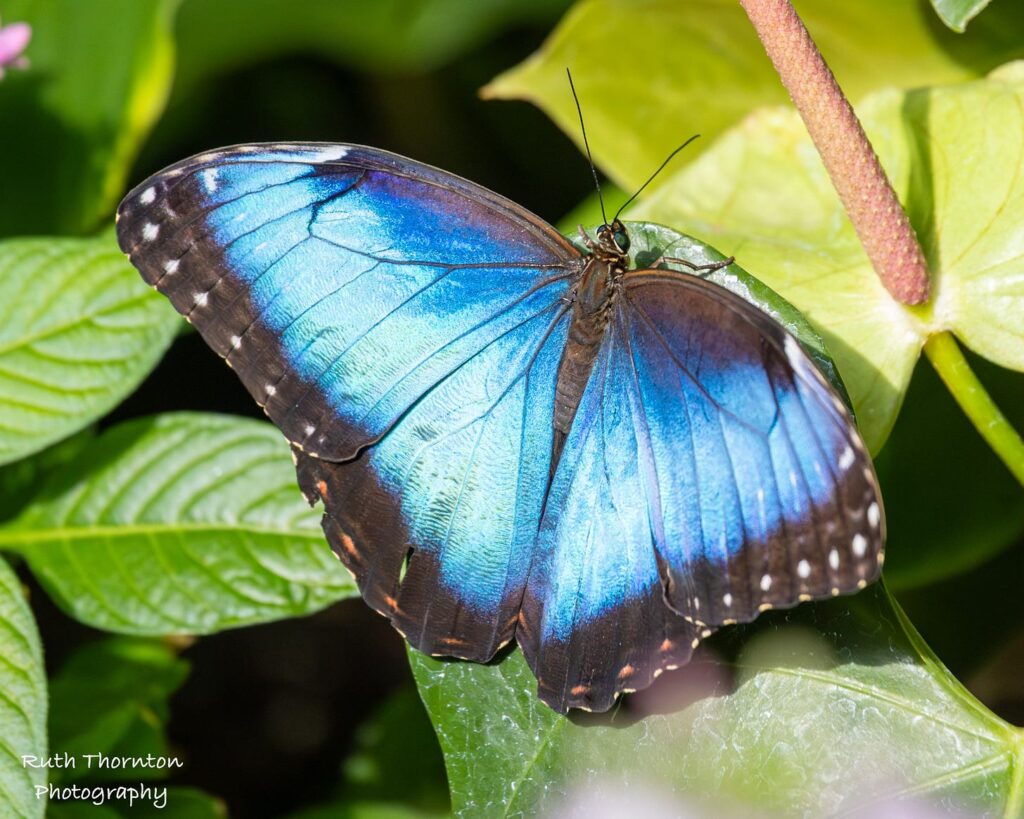
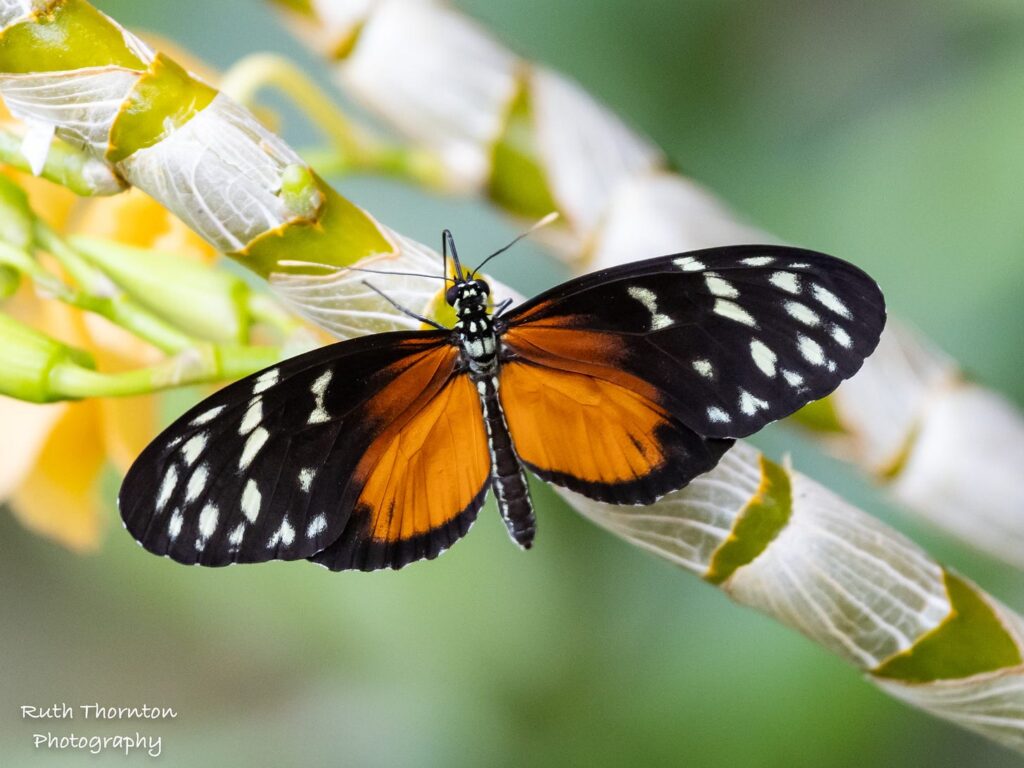
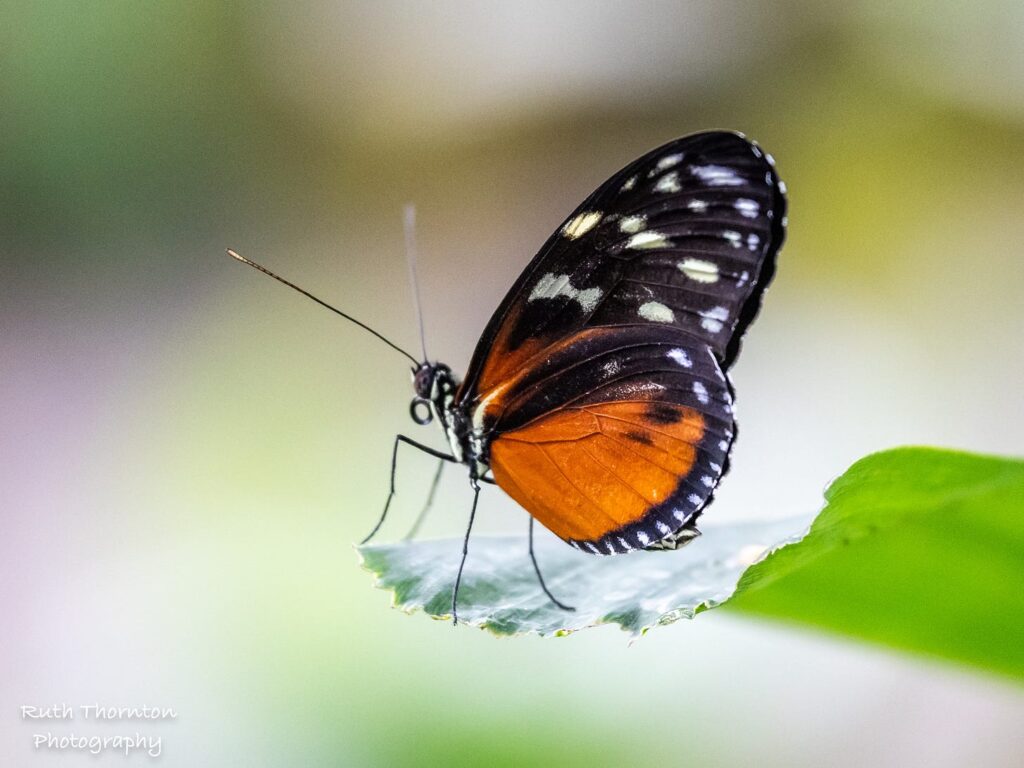
All photos were taken by me at Frederik Meijer Gardens & Sculpture Park in Grand Rapids, Michigan.
If you’d like to get new posts sent directly to your inbox every week, subscribe to my newsletter via Substack:
What are the concerns?
Butterfly house enthusiasts often cite both benefits to habitats and to local communities – after all, it’s in the best interest of breeders to maintain healthy forests that can support lots of butterflies to ensure a reliable supply of fresh breeding stock. Similarly, providing local communities with a source of income independent of illegal timbering, deforestation for agriculture or poaching provides an incentive to protect the environment.
Critics, however, say that over-collecting, genetic mixing within and between species that don’t naturally occur together, introduction of diseases and accidental releases that would introduce non-native insects could harm both local butterflies and those in destination countries.
There are also ethical concerns around keeping thousands of butterflies in captivity and viewing them as objects whose sole purpose is to entertain visitors. While butterflies are short-lived – most live an average of only around two weeks as adults – and are usually allowed to die naturally, the welfare of insects is not generally a consideration for many people compared to animals more like us, such as mammals or birds.
So who’s right? It’s a surprisingly nuanced answer and depends on the specific farms where the butterflies originate and the efforts of individual butterfly houses to support conservation and educate the public about the bigger picture.
The rise of the butterfly house industry
As I was researching the subject, I was surprised at the dearth of reliable information about it.
Considering that butterfly houses have been around since at least 1980 and have proliferated all over the world – one study listed nearly 140, most in the U.S. and Europe (the author admitted it was not an exhaustive list) – there does not seem to have been much scientific inquiry into their biological or economic effects.
It’s a large market, though exactly how large is anybody’s guess. The best estimate I found for the annual value of the global butterfly trade is around $100 million – but that figure originated in a 1992 paper. I’ve seen it cited in reports as recently as 2015, but would not be surprised if the value has increased exponentially since then, given the proliferation of butterfly houses over the past 34 years and the millions of butterflies traded every year. And people love them – around 40 million are thought to visit butterfly houses annually, according to a 2002 study.
Butterfly farms and their products
Most butterflies are farmed in tropical countries, mainly in South America, Southeast Asia and Africa. They are grown specifically for export to supply the global insect trade, in dedicated butterfly farms – much like fruit or other food crops are grown.
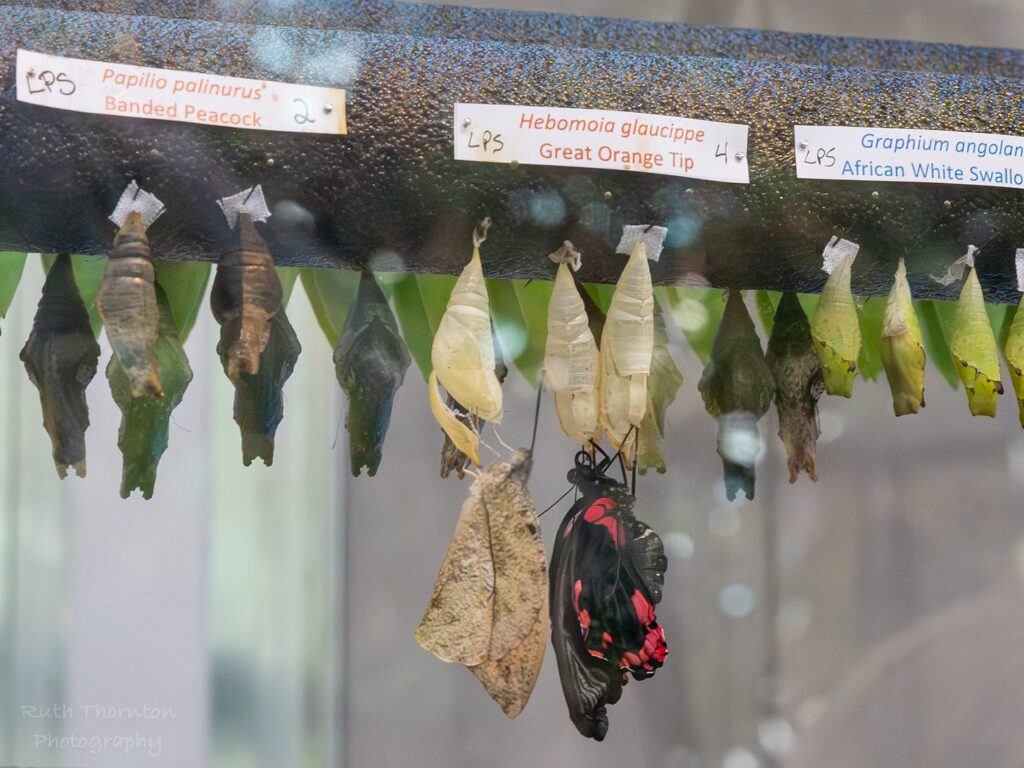
Butterflies spend most of their lives not as the beautiful, winged insects we admire, but in inconspicuous, immature stages. Female butterflies lay hundreds of eggs, which turn into voracious caterpillars that feed on various host plants, before transforming into immobile “chrysalises” – also referred to as “pupae” – that eventually metamorphose into the colorful butterflies that many people regard as the only “good” insect.
They’re usually shipped in their chrysalis stage to supply butterfly houses. That phase lasts an average of around two weeks – depending on the species – before the adult butterflies emerge, so transportation has to be quick and efficient. That’s often accomplished through brokers who specialize in the trade, combining batches from several farms and shipping the insects across borders using commercial airlines or shippers such as FedEx to their destinations in cities around the world.
The entire process is regulated by various permits, both from the exporting and importing countries. The Convention on International Trade in Endangered Species of Wild Fauna and Flora – referred to as CITES – and other laws prohibit the shipment of endangered species, so usually only common butterflies are displayed. In the U.S., butterfly houses are regulated and inspected by the U.S. Department of Agriculture.
In tropical areas, butterfly farms can be as simple as areas that contain caterpillars’ host plants enclosed by netting so the butterflies can’t escape. The butterflies are either captured from surrounding forests or bred in the facility.
These farms breed butterflies not only for display in butterfly houses, but also for live releases at weddings and funerals (generally, only butterflies native to an area may be released), classroom rearing kits, scientific research and to supply dead specimens for jewelry and art (the butterflies are generally not killed for that use, but are allowed to live out their short lives naturally, according to the farms and websites that sell these items).
For this article I focused mainly on the international butterfly house industry. Each of the other uses has its own unique set of considerations and tradeoffs. Other insects are also traded, though butterflies are by far the most popular. I was amazed at how complex and large the global insect trade is.
Pros and cons for butterflies
Few independent studies address the impacts of the butterfly trade on conservation.
One that does is a seminal 2012 essay by Michael Boppré with the Albert-Ludwigs-Universität in Freiburg, Germany, and Richard Vane-Wright, formerly with the Natural History Museum in London.
Boppré and Vane-Wright describe the dangers to butterflies, including loss of genetic fitness through breeding and the danger of tropical butterflies escaping either en route or from an exhibition, potentially harming local butterflies. There’s also a risk of introducing new diseases and inadvertently importing parasitic wasps or other predators that could wreak havoc on local insect populations.
How large-scale breeding affects insects’ fitness over the long term is not known, though studies in monarchs have shown that captive-bred individuals look different from wild butterflies, especially after a few generations, may not migrate as well and have lower survival rates. This is a huge concern as classroom rearing kits have become more common and many people participate in the ever-more popular rearing and release of thousands of monarchs in the well-meaning hope of supplementing dwindling wild populations.
Experts and conservation organizations are concerned about released individuals inadvertently harming wild butterflies. They caution that captive rearing should be seen as an educational practice to teach kids about insects, not as a viable way to save them. Experts generally recommend that people do not rear more than a dozen or so monarchs to ensure that wild populations are not negatively impacted.
While these studies are specific to monarchs bred and released in North America, it’s plausible that other butterfly species could be affected similarly, both through decreased fitness and subtle changes in behavior. Some tropical butterfly farms release some of their reared individuals in an attempt to supplement local populations, and they regularly add wild butterflies to prevent inbreeding. Doing this is considered a sustainable farming practice, however it’s not known how those captive-reared butterflies compare to, or affect, their wild counterparts.
Effects on tropical butterfly habitats
Butterfly farms sometimes directly benefit local habitats, protecting neighboring forested areas to safeguard a continual supply of healthy butterflies. It makes sense – a healthy insect population is dependent on a healthy ecosystem and smart breeders recognize the connection.
For instance, the Kipepeo Butterfly Project in Kenya began in 1993 to provide local communities around the Arabuku Sokoke forest with a way to earn a livelihood without resorting to illegal logging. The forest is the largest remaining patch in the region of a vast tropical coastal forest that once stretched from Somalia to Mozambique. Up to 1,200 people in Kenya and neighboring Tanzania now participate in butterfly farming, generating income by raising and selling butterflies to Europe and Turkey, reports Janet Njung’e for Mongabay in a 2019 story. Many of the farmers were once loggers but now recognize the value of keeping the forest intact and healthy to support butterflies for export.
In Costa Rica, the butterfly farm El Bosque Nuevo uses the proceeds from its sales to buy neighboring land and protect and restore forests. It now owns 285 hectares (or about 700 acres, a little smaller than Central Park in New York City) of forest, according to its website. The farm works with dozens of local families who supply them with additional chrysalises for export to butterfly houses all over the world.
So, do butterfly houses actually help butterflies?
As I immersed myself in the world of butterfly houses, I was amazed by how complex and nuanced the industry is. It’s not a simple answer.
It does appear that when done well, butterfly farms provide an incentive to protect healthy tropical ecosystems so the breeding stock is plentiful and healthy. Without insects as a source of income, many people might resort to illegal logging. Many farms also employ women in areas where employment for them is scarce.
The effects on the butterflies themselves are more difficult to assess, we just don’t know what the effects of captive-rearing are on wild populations. Studies on monarchs show that there could be unintended consequences on genetics and fitness. Keeping them indoors in captivity for the entertainment of visitors is also an ethical question.
Many of the biological risks, however, could be mitigated through proper education of people involved in all steps of the process – the breeders, brokers who facilitate the collection and transportation of the pupae, and staff in the butterfly houses. But that would require stricter regulation than is the case now.
We should also not underestimate the opportunity to educate the millions of visitors butterfly houses attract about biodiversity, the web of life, and the threats that harm butterflies and other animals.
This potential is not sufficiently realized now, however. Interpretive displays are often incomplete, missing altogether, or incorrect, according to Boppré and Van-Wright.
What you can do to help butterflies
Whether or not you decide that you’d like to visit a butterfly house, there’s plenty you can do to help butterflies.
Experts agree that their biggest threats are habitat loss, pesticides and climate change.
By planting native species in your yard or balcony you can directly support your local insects – every little bit is important, even if it’s only a flowerpot on your doorstep. Not mowing a corner of your lawn also helps, as does minimizing pesticides.
If you’d like to get new posts sent directly to your inbox every week, subscribe to my newsletter via Substack:
It’s free to subscribe, but if you choose the paid option you’d support my work and help keep my articles free for those who can’t afford a paid subscription!
Not ready to subscribe? It takes many hours to research and write each post, so please consider supporting my work by buying me a coffee (or a beer…😄).
Useful resources:
- Study: Ren et al., 2025. Suspect screening and nontargeted analysis of polyfluoroalkyl substances in Lake Huron water and biota. Journal of Great Lakes Research, 51(2):102507.
- National Institute of Environmental Health Sciences: Perfluoroalkyl and polyfluoroalkyl substances (PFAS).
- European Food Safety Authority: Per- and polyfluoroalkyl substances (PFAS).
- U.S. Environmental Protection Agency: PFAS explained.
- Study: Yu et al., 2025. A global overview of per- and polyfluoroalkyl substance regulatory strategies and their environmental impact. Toxics, 13(4): 251.
- Michigan Eat Safe Fish Guides.