Global species loss may have peaked decades ago, suggesting we are not in a ‘sixth mass extinction.’ But it’s too early to celebrate.
If you’d like to get new posts sent directly to your inbox every week, subscribe to my newsletter via Substack:
Amid the doom and gloom we’ve been hearing about biodiversity loss, with some scientists claiming that people are causing a catastrophic ‘sixth extinction’ event, a recent study had more encouraging news: instead of accelerating, the loss of species in fact seems to be slowing down globally.
According to the study’s results, extinction rates over the past 500 years peaked around 100 years ago for all assessed animal and plant species and have generally declined since then.
Don’t get me wrong: these findings don’t mean we’re out of the woods just yet. Nearly 50,000 species are currently believed to be threatened with extinction – that’s more than one-quarter of known species. The biodiversity crisis is serious and needs to be addressed immediately and assertively with effective conservation actions to save as many threatened species as possible.
But it does appear that conservation actions taken over the past decades – from the U.S. Clean Water Act of 1972 and the Endangered Species Act of 1973 to CITES, the Convention on International Trade in Endangered Species of Wild Fauna and Flora, and other international conservation interventions – may be working, slowing the rate at which species are disappearing.
The study by Kristen Saban and John Wiens of the University of Arizona appeared in the Proceedings of the Royal Society of London. The researchers analyzed the International Union for Conservation of Nature (IUCN) Red List, which tracks all known animals, plants and fungi, to determine if current levels of extinction truly match those of the prior five global mass extinctions.
Perhaps I should backtrack first to provide some background on what we’re even talking about with the “sixth mass extinction.”
Researchers have determined that in Earth’s approximately 4.5-billion-year history, during which life has existed for about 3.7 or so billion years, five mass extinctionsoccurred (though truthfully, there is some scientific debate about the exact number).
A mass extinction is defined as the loss of at least 75% of species over a “short geological period of time.” “Short” is generally defined as less than 2.8 million years.
As best as scientists can determine from the fossil record, past mass extinctions have lasted from around 50 thousand to just under 3 million years and have killed between 75% and 95% of all animal and plant species alive at the time. Those mass extinctions resulted in dramatic changes to the trajectory of life on Earth.
The first one occurred around 445 million years ago during the Ordovician Period, annihilating around 85% of species. The last one, during the Cretaceous Period around 145 million years ago, killed off the non-avian dinosaurs and enabled mammals to evolve from tiny rodent-like creatures to the amazing diversity of species we have today. And, ultimately, humans.
In the 1990s, Richard Leakey and Roger Lewin argued that humans are causing a sixth mass extinction. A 2023 study by Gerardo Ceballos and Paul Ehrlich evaluated extinction rates of some vertebrates – animals with a backbone, such as mammals, birds and reptiles – and concluded that extinction rates in the past 500 years were much higher than the so-called “background rate of extinction.” That is, the average “natural” extinction rate between the five big mass extinctions. They also argued that we are now in a sixth mass extinction.
The recent study by Saban and Wiens set out to empirically test that assertion. They examined the IUCN Red List and analyzed the extinction rates over the past 500 years for all assessed species.
What they found surprised them.
“We found that extinction rates are not getting faster towards the present, as many people claim, but instead peaked many decades ago,” Wiens said in a statement.
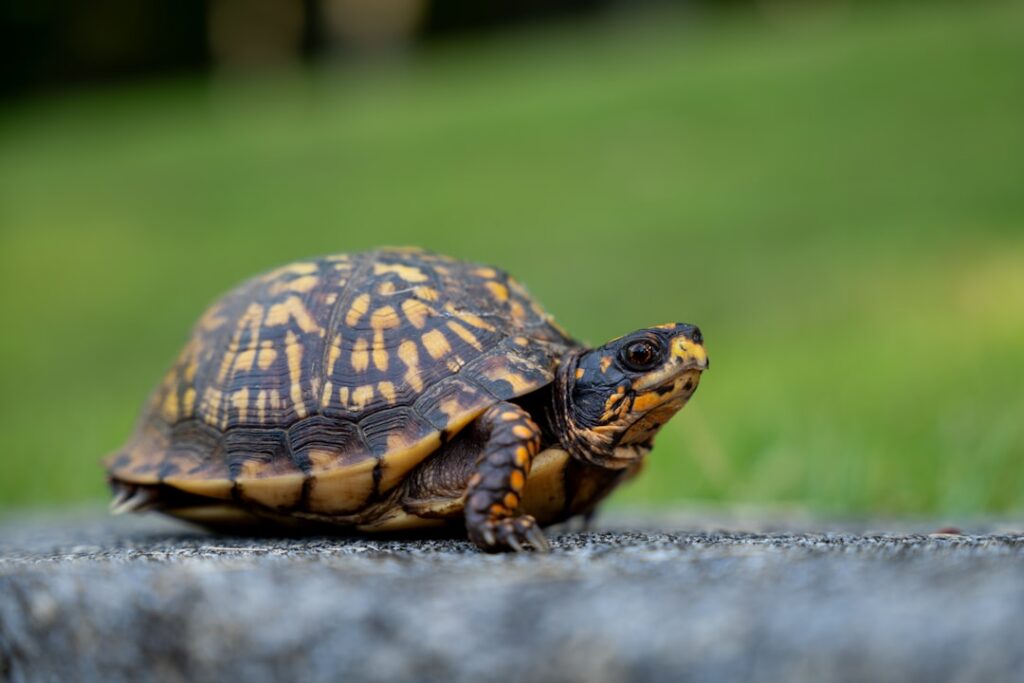
Digging into the details, the authors found that of more than 160,000 assessed animal and plant species, around 900 were extinct, or 0.6%. The highest percentages of extinct species were among mollusks (which include clams, mussels, snails and octopuses) and turtles, each at 2.9%, followed by birds (at 1.5%) and mammals (1.4%).
Species living on islands such as Hawaii and French Polynesia were particularly threatened, mainly because of invasive species such as rats.
It is often difficult to determine the main cause of extinction for many species, but according to the best information from the IUCN data, the main cause of extinction was likely invasive species for most, followed by habitat loss, exploitation, and pollution. Climate change seems to have played a relatively minor role to date.
“That does not mean that climate change is not a threat. It just means that past extinctions do not reflect current and future threats,” Wiens said.
Analyzing patterns over time, extinction rates were relatively low before 1800, then dramatically increased in the 1800s and doubled in the 1900s. The highest extinction rates for plants occurred in the 1920s, for mammals in the 1930s and for birds in the 1890s and 1900s.
The extinction rates for most groups peaked at least 50 years ago, indicating that extinction rates have not accelerated in recent decades, according to the study.
It’s too early to celebrate, however.
While extinction rates have slowed, an alarming number of species are currently threatened with extinction. According to the IUCN, of around 170,000 assessed species, nearly 50,000, or 28%, are threatened. That includes 41% of amphibians, 26% of mammals, 34% of conifers and 11% of birds.
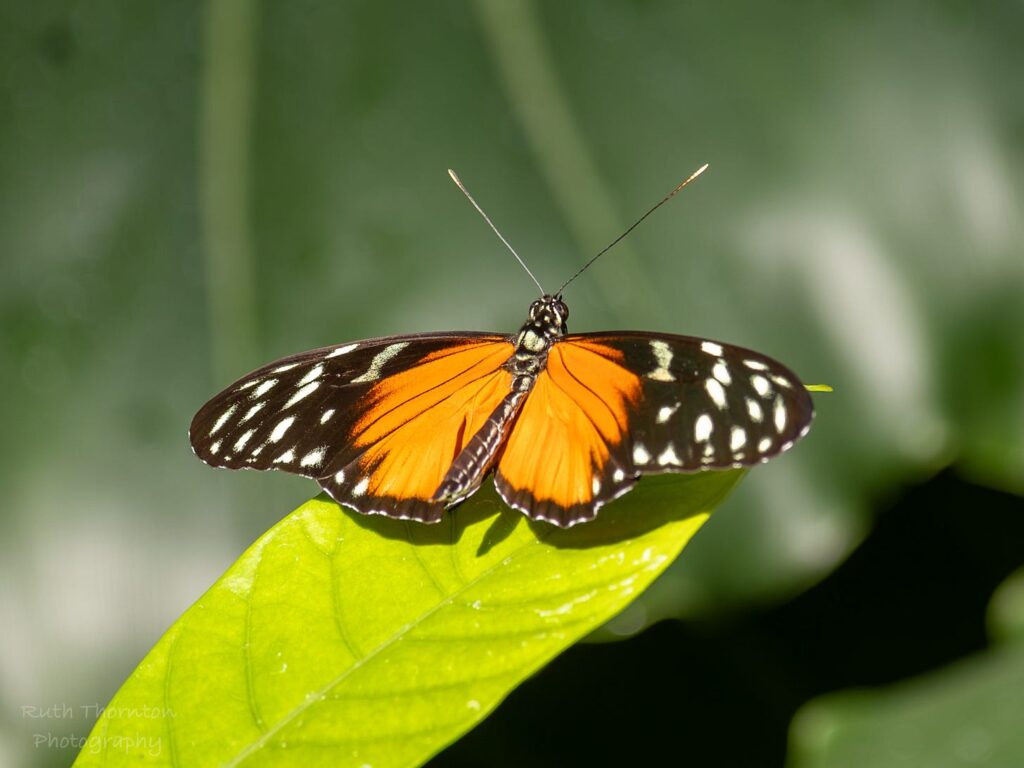
Similarly, even among groups with relatively low past extinction rates, such as insects with 0.4%, recent studies have documented dramatic declines in abundance. Not surprisingly, a decrease in abundance generally precedes extinction of a species. One Study reported a decline of 20% of butterflies in the past 20 years, including species that were once considered common. Experts are warning of an “insect apocalypse.”
However, even if the biodiversity crisis does not fit the definition of a mass extinction event, the species loss we are facing could have serious consequences for ecosystems and human well-being. Many species perform valuable ecosystem services, such as pollinating crops. Losing certain species can have unforeseen effects on other species that could reverberate throughout the web of life.
The main causes endangering species are also changing. While invasive species have been the main threat so far, particularly for islands, most species nowadays are threatened primarily by habitat loss, followed by pollution, climate change and invasive species.
Still, the study offers a glimmer of hope. We have, apparently, successfully slowed the loss of biodiversity through strategic conservation efforts. We have brought back several species from the brink. It is now incumbent on us to keep investing in our future and ensure no more species disappear.
The researchers said they hope that taking a step back from doomsday scenarios will help focus on finding solutions to biodiversity loss. “If we’re saying that what is happening right now is like an asteroid hitting Earth, then the problem becomes insurmountable,” Saban said.
If you’d like to get new posts sent directly to your inbox every week, subscribe to my newsletter via Substack:
It’s free to subscribe, but if you choose the paid option you’d support my work and help keep my articles free for those who can’t afford a paid subscription!
Not ready to subscribe? It takes many hours to research and write each post, so please consider supporting my work by buying me a coffee (or a beer…😄).
Based on the study:
Saban and Wiens, 2025. Unpacking the extinction crisis: rates, patterns and causes of recent extinctions in plants and animals. Proc. Biol. Sci., 292 (2057): 20251717.