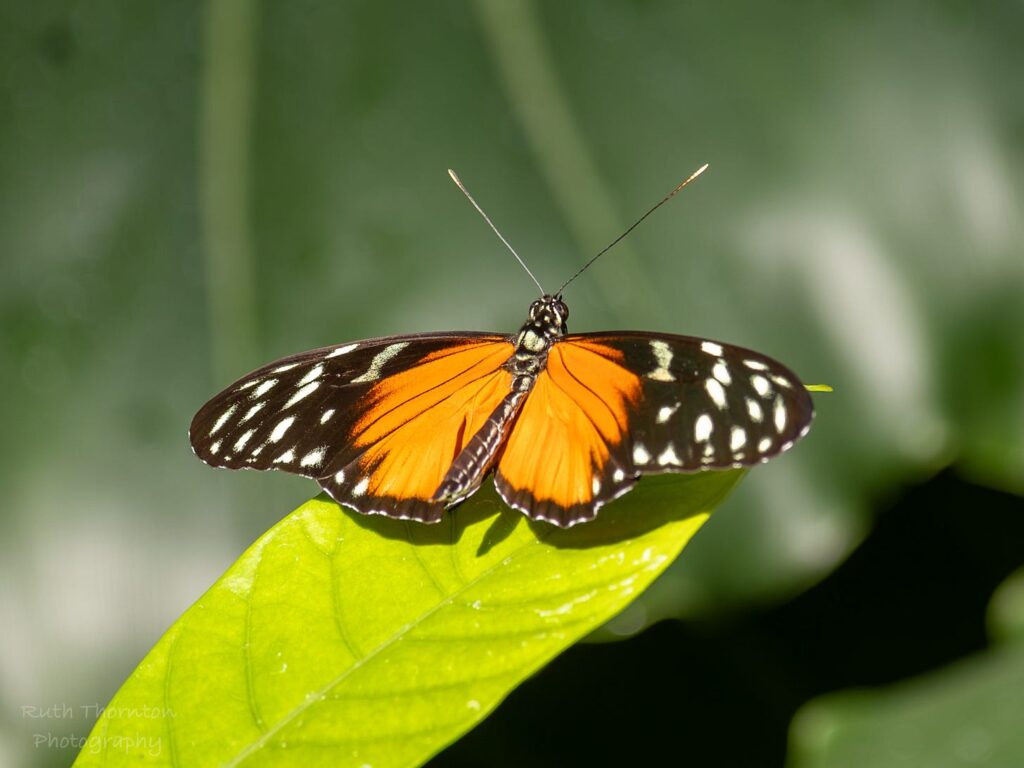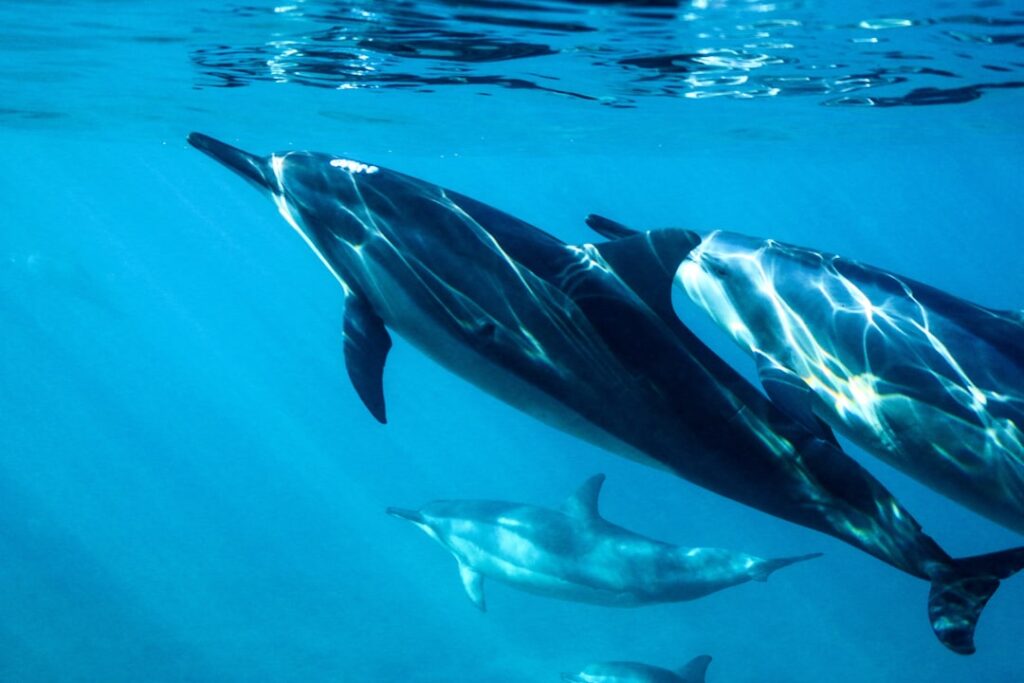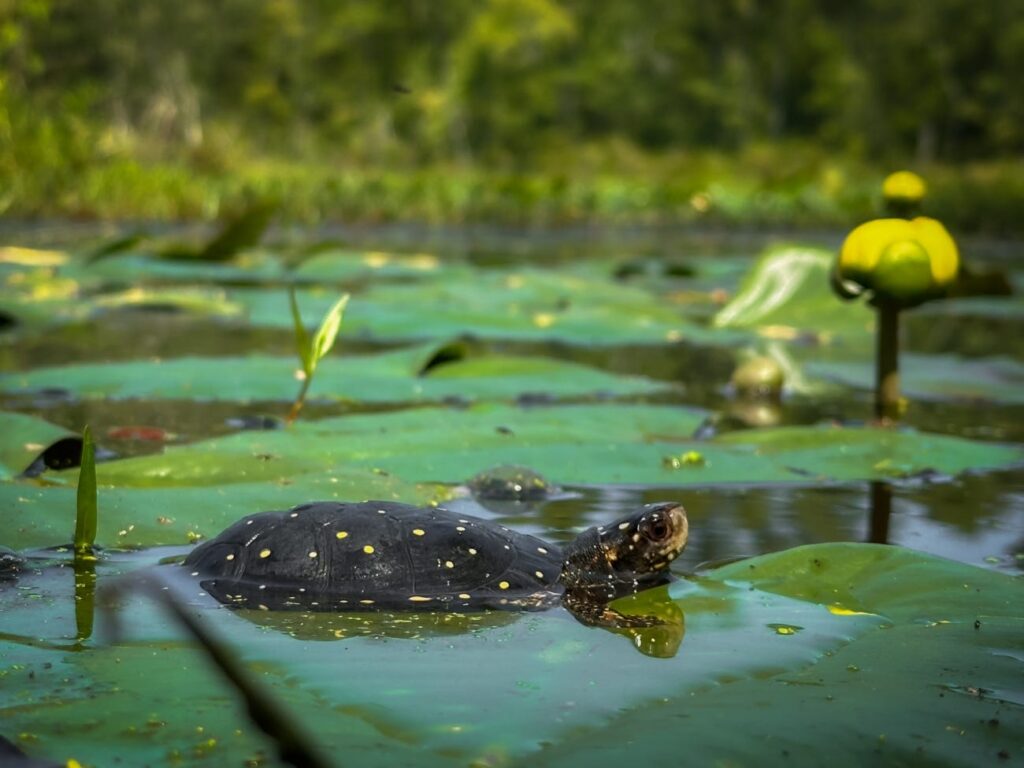
Identical-looking creatures are turning out to be entirely different species, with important consequences for conservation.
Many animals we thought we knew may actually harbor secret “cryptic” species, hiding in plain view, unrecognized and uncounted by humans, with potentially serious implications for conservation.
That’s according to a new study that looked beyond what animals look like, instead analyzing their DNA to find hidden clues about how closely they are related to each other at a molecular level.
“Each species that you and I can see and recognize as distinct may actually be hiding two different species, on average,” said John Wiens, professor at the University of Arizona and one of the study’s authors, in a statement.
“This means that across vertebrates [or animals with a backbone], there may be twice as many species as we previously thought, and many of these hidden species could already be at risk of extinction,” he said.
If you’d like to get new posts sent directly to your inbox every week, subscribe to my newsletter via Substack:
How many animals and plants are there?
It seems researchers are learning something new about life on Earth and how it functions every week.
There’s still a lot we don’t know about our planet, however. For example, scientists don’t know how many species there are. Estimates vary widely, from around 5 million to 1 trillion if you count all animals, plants, fungi, bacteria and algae. Some experts think we have only discovered 10% or less of all species.
The International Union for Conservation of Nature (IUCN) estimates there are just over 2 million described species, but even that number is disputed.
It turns out that we don’t even know as much about the described species as we thought.
The revelation came when biologists started using modern technology to study animals’ genes instead of the traditional method of simply relying on what an animal looks like, what scientists call its “morphological” features.
When the researchers examined some animals’ DNA, they were surprised to see that species that looked identical were, in fact, different species. These look-alikes are called “cryptic” species by biologists.
“Many of these cryptic species have likely been evolving separately for a million years or more. So their DNA tells us that they’ve been distinct for a long time, even if they look identical,” Wiens said.
The research focused on vertebrate species only – animals with a backbone, including birds, reptiles, fish and mammals – but another study that examined arthropods, a huge group of animals that includes insects, spiders and crabs, came to similar conclusions.
Why should we care?
The findings are not just abstract academic exercises but could reverberate far beyond taxonomy.
Zhang and Wiens argue that conservationists may need to consider cryptic species in their efforts, accounting for the growing number of animals that may be affected by habitat loss or other threats.
For example, they cite a recent study on the supposed widespread Chinese great salamander (Andrias davidianus), which revealed that it consists of between seven and nine cryptic species, each one critically endangered.
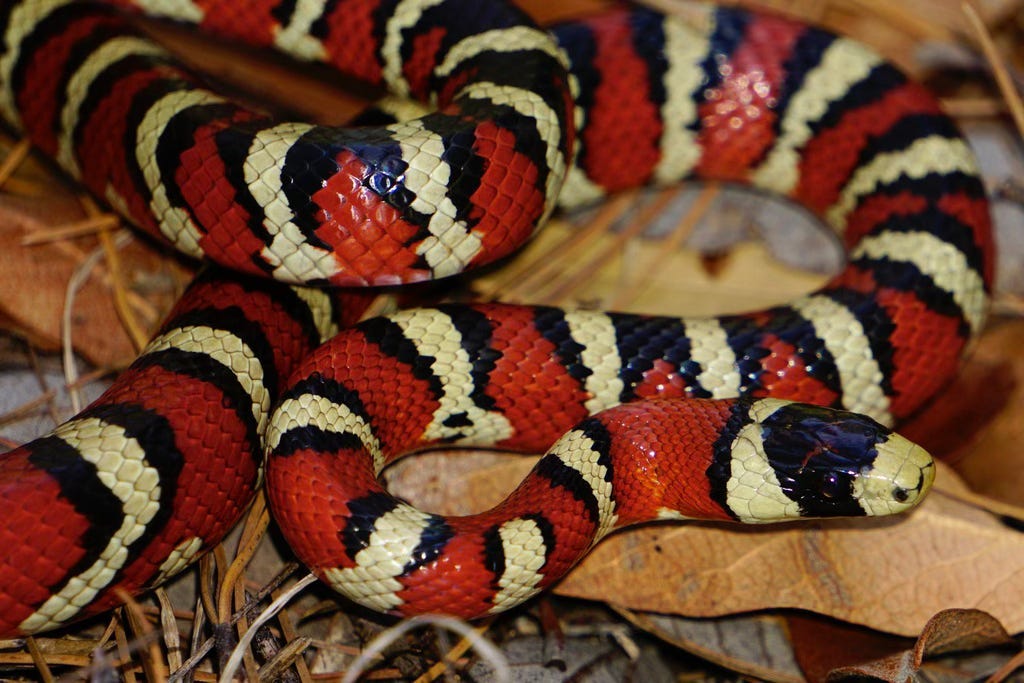
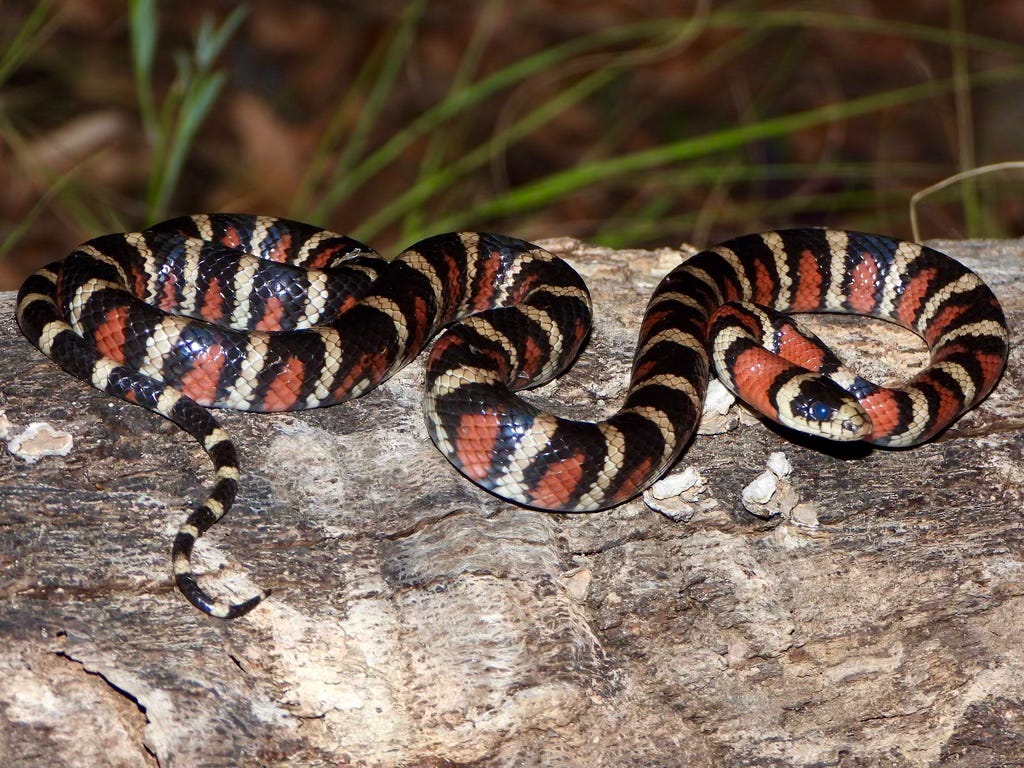
Another example is the Arizona mountain kingsnake. It was once thought to be a single species until genetic data revealed in 2011 that northern Arizona populations are distinct from those in southern Arizona. The snake was then divided into two species.
“If you compare those two mountain kingsnakes, they all look pretty much the same with their red, black and yellow-white stripes,” Zhang said.
Advanced molecular methods find many species that look alike
As technologies for studying organisms’ DNA have improved over the past decades, more scientists have been using genetic data to study the relationships of living beings on Earth.
Yinpeng Zhang, a graduate student at the University of Arizona and the paper’s first author, noticed a few years ago that many studies were uncovering new cryptic species, but there was no inventory of the newly discovered animals, especially when it came to vertebrates.
For insects – part of the huge invertebrate group – a 2023 study that Wiens had co-authored had systematically compiled all research on cryptic insects. He and Xin Li, a professor at China Agricultural University, determined that every species previously described through visual characteristics in fact consisted, on average, of three cryptic species, in essence tripling the estimate of existing insect species.
Zhang and Wiens then set out to systematically gather all known research on cryptic vertebrates, poring over more than three hundred studies.
What they found surprised them.
“On average, morphologically based species of fishes, birds, mammals, reptiles, amphibians and other vertebrate groups all seemed to be hiding around two cryptic species,” Wiens said.
The pattern was remarkably consistent across all groups, ranging from 1.8 to 2.1 for most. The only exceptions were crocodilians, with 3.5 cryptic species, and the group of fish that includes sharks and stingrays – also known as cartilaginous fishes – with only 1.3.
Unfortunately, however, most of the newly discovered species have not yet been formally described as new species, at least in the studies themselves.
Refining DNA analysis methods
A difficulty in evaluating genetic data is which method to use. Two common ones are looking at DNA from mitochondria – small structures inside cells – or from the cell’s nucleus. Each technique has pros and cons.
It’s just like humans taking a maternity or paternity test or using services like 23andMe or Ancestry.com to learn about our ancestry or the genetic diseases we may be susceptible to. 23andMe, for example, uses both mitochondrial DNA (mtDNA) and nuclear DNA (nuDNA) to map a person’s heritage, with each providing slightly different insights into family history.
While the use of mtDNA is widespread in studies on animals, it’s also somewhat controversial compared to nuDNA data. Some researchers argue that mtDNA results can be misleading, but the question of whether both methods give similarly reliable results has not been settled.
As part of this study, Wiens and Zhang separated the hundreds of studies they had compiled by their genetic analysis method, then compared the resulting number of cryptic species in each group for each method. Some studies used both DNA types, while many relied on only one.
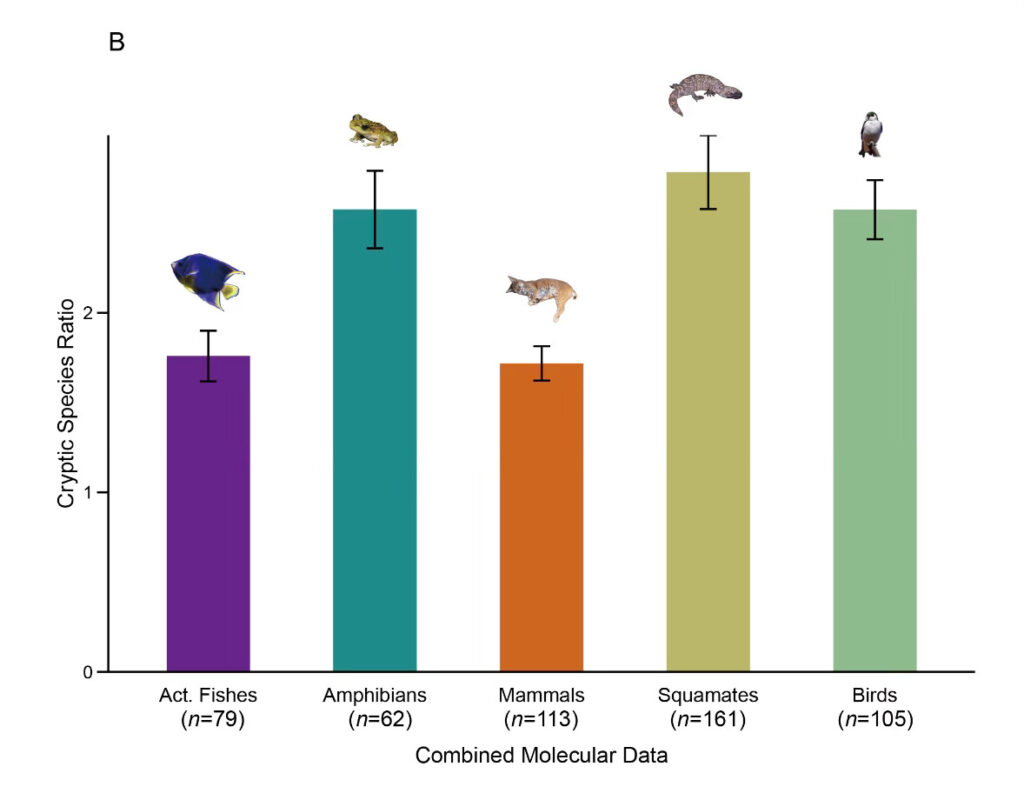
The researchers found that while mtDNA tended to identify more cryptic species than nuDNA did, the difference was slight and not statistically significant for all but one group: ray-finned fishes (which include common fish such as tuna, cod and salmon). Even in that group, however, the difference was small.
“We suggest that mtDNA might still offer a useful ‘first pass’ at species limits and cryptic diversity, especially when analyzing many species and populations, and given the need to rapidly document global biodiversity before it disappears,” the researchers said.
That’s good news for mapping new species as quickly and efficiently as possible, since analyzing nuDNA is generally more difficult and time-consuming than mtDNA.
What does it mean for conservation?
As widespread species are divided into multiple species, each covering a smaller geographic area, however, they also become more vulnerable to outside threats.
“People have generally found that the smaller a species’ range size is, the more likely that species is to go extinct,” Wiens said.
It’s also important for zoos trying to save threatened species by breeding to be aware of an animal’s cryptic species status, otherwise rare animals could be inadvertently bred to a member of a different cryptic species.
“Hidden diversity is an important consideration to make in our conservation efforts,” Zhang said.
Wiens added, “If we don’t know a species exists, then we can’t protect it.”
If you’d like to get new posts sent directly to your inbox every week, subscribe to my newsletter via Substack:
It’s free to subscribe, but if you choose the paid option you’d support my work and help keep my articles free for those who can’t afford a paid subscription!
Not ready to subscribe? It takes many hours to research and write each post, so please consider supporting my work by buying me a coffee (or a beer…😄).