3/4/2026: Salmon win against Trump, chimpanzees get drunk on fruit, birds declining faster than thought, caterpillars trick ants into raising them, bioplastics aren’t good for biodiversity, and more…
Welcome to a new edition of my weekly compilation of newsworthy stories about the state of biodiversity, the threats it faces and emerging solutions, offering a snapshot of what’s happening in nature around the world and why it matters.
To find out what’s new this week, scroll down to read about:
Biodiversity:
- Federal judge sides with salmon against Trump in dam ruling.
- Chimpanzees get drunk on fermented fruit.
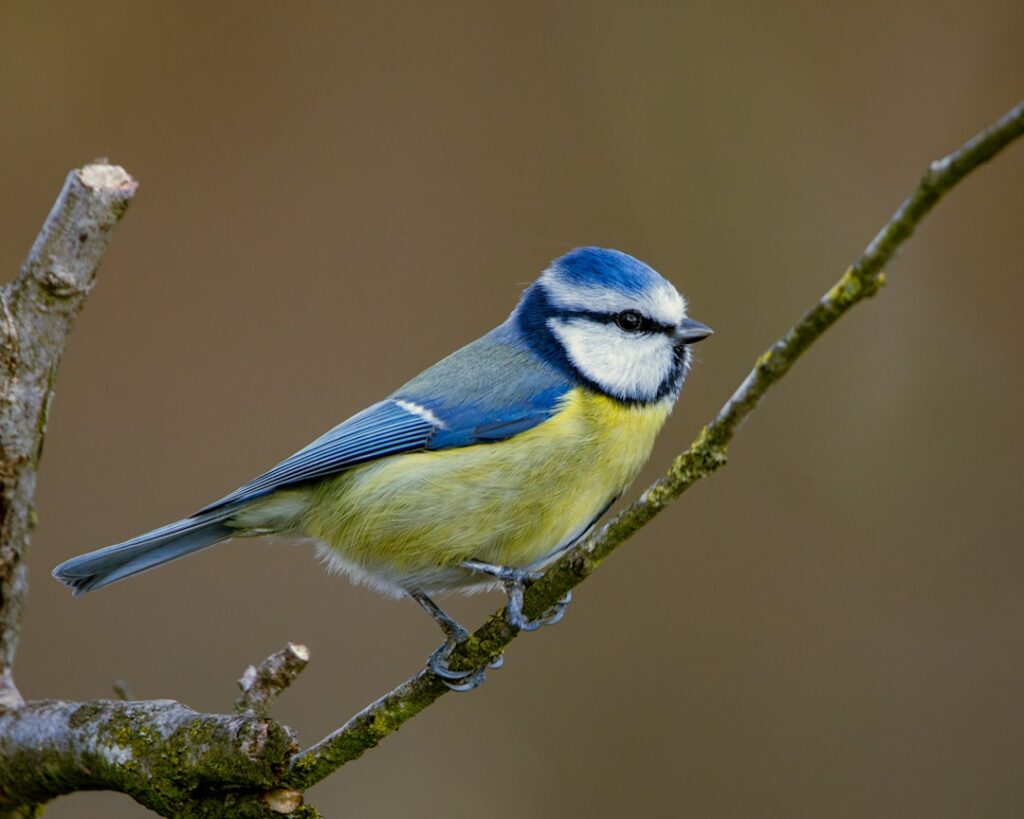
- North American birds are declining faster than previously thought.
- Climate change-driven ice loss is threatening emperor penguins.
- Meet the strange animals that can dramatically change their own body heat.
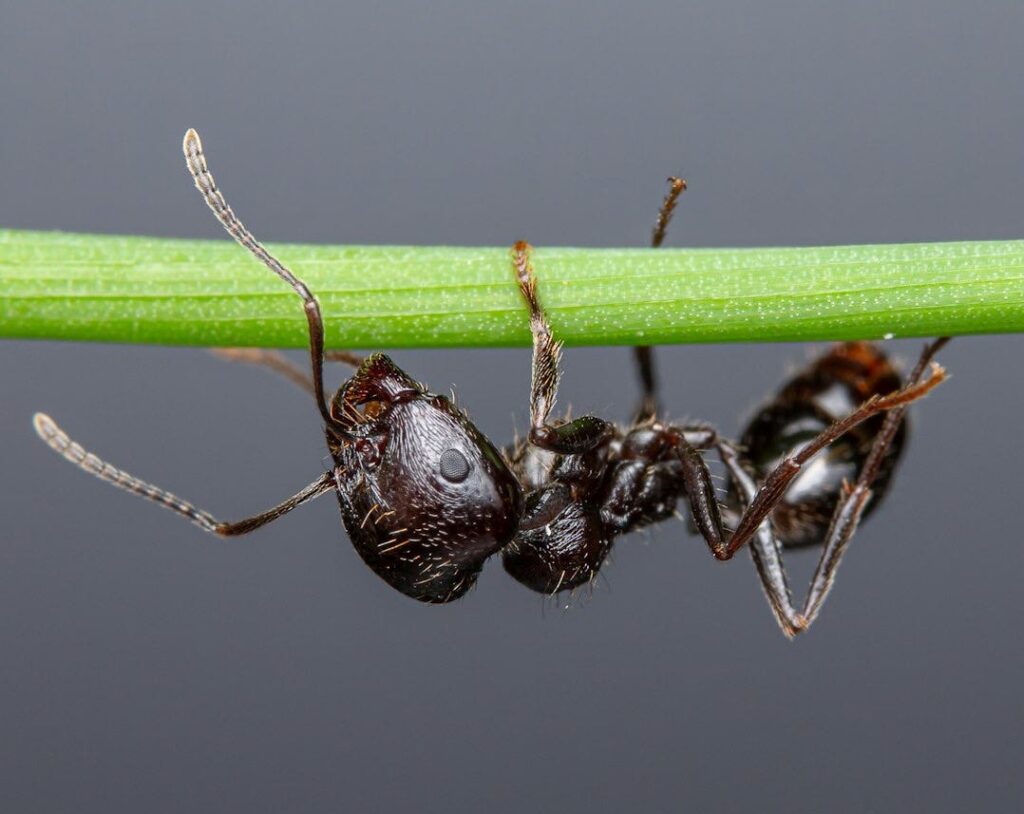
- Caterpillars use complex rhythms to fool ants into raising them.
Pollution & pesticides:
- Trump issued an executive order to promote a popular weed killer – what does the science say about its effects?
- Bio-based plastics may not be an environmentally friendly alternative after all.
If you’d like to get new posts sent directly to your inbox every week, subscribe to my newsletter via Substack:
Biodiversity
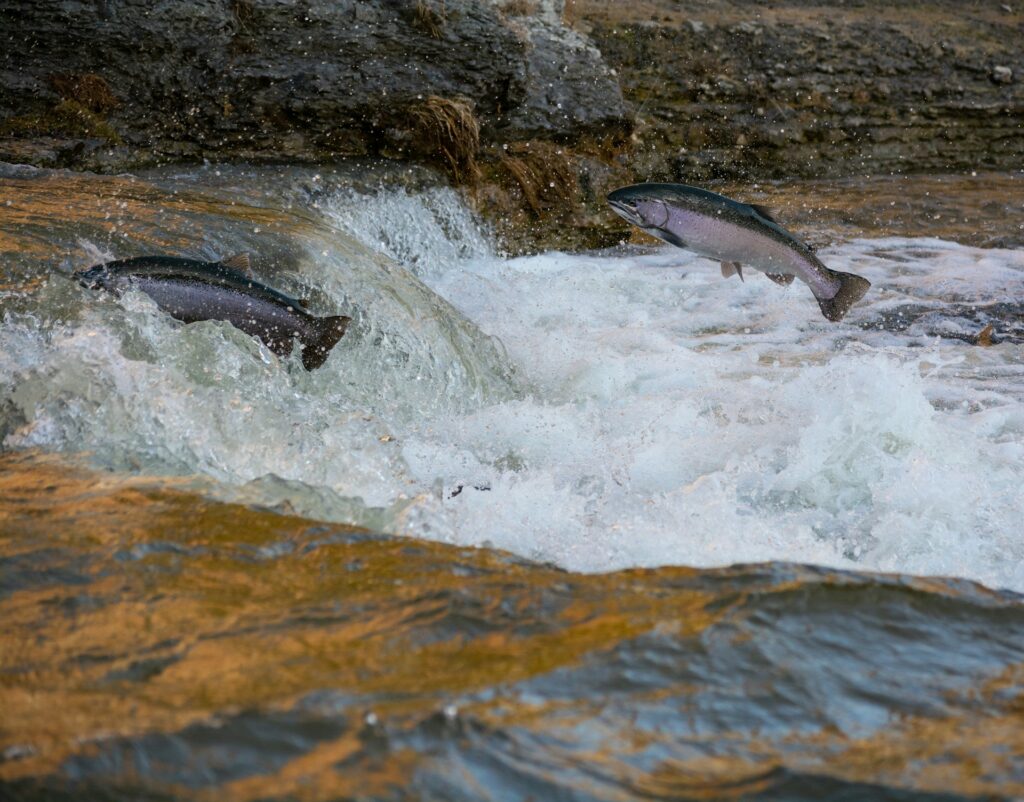
Federal judge sides with salmon against Trump in dam ruling
I love it when I can start this newsletter off with a win for conservation! Eight dams in the Pacific Northwest were ordered to change their hydropower system operations to protect salmon, reports Gabrielle Canon for the Guardian:
At the center of the dispute are eight dams and reservoirs on the Columbia and Snake Rivers in the Pacific north-west that have created devastating obstacles for salmon and steelhead unable to breach their deadly turbines or navigate through the large, warm, artificial pools. The federal agencies and their supporters, which include a group of utilities, water managers and farming organizations, argued that reservoir drawdown would put power reliability in peril.
The disagreement goes back decades, until the federal government under former President Biden agreed to protect salmon in the Resilient Columbia Basin Agreement in 2023. However, President Trump withdrew from the agreement months after returning to office. Canon writes:
In a strongly worded ruling, issued late on Wednesday, the Oregon US district court judge Michael Simon rebuked the administration’s position and the “disappointing history of government avoidance and manipulation instead of sincere efforts at solving the problem”, and the evidence presented, which he said was created for the lawsuit and contradicted the scientific record.
The order maintains current reservoir and flow levels at last year’s levels, with small increases.
Chimpanzees get drunk on fermented fruit
In a fun and surprising revelation, researchers discovered that chimpanzee pee contained measurable amounts of alcohol, confirming an older study that had found that the animals could consume the equivalent of more than two alcoholic drinks per day, reports K. R. Callaway for Scientific American:
Specifically, they consume alcohol inside fermented fruits, from figs to star apples to local stone fruits. As these fruits ripen, they produce sugars, which combine with yeast to produce ethanol. While the amount of ethanol in an individual piece of fruit is very small, chimps are voracious, with some eating about 4.5 kilograms of fruit a day.
It’s unclear if alcohol affects the primates in the same way as humans, however. The scientists think it might benefit the chimpanzees in some way, perhaps by lowering their anxiety or boosting socialization.
The lead researcher compared it to sharing a bottle of wine with friends over a meal:
The apes definitely consume the equivalent of a standard drink or two’s worth of booze, but when they do so, they also have a full stomach and, perhaps, foster a closer relationship to their peers.
“You have a glass of wine with dinner; you talk to people. Maybe this is where it comes from evolutionarily,” Maro says.

North American birds are declining faster than previously thought
In more sobering news, a new study found that nearly half of North American bird species analyzed were declining, and more than half of the declining birds are declining faster since 1987, reports Seth Borenstein for the Associated Press:
“Not only are we losing birds, we are losing them faster and faster from year to year,” said study co-author Marta Jarzyna, an ecologist at Ohio State University. “Except for forest birds, almost every group is doing poorly. So we need to ask ourselves a question. How do we protect these groups of birds?”
The study found that a combination of intensive agriculture and warming temperatures was the main culprit.
The species declining the fastest, weirdly, are also some of the more common ones: European starling, American crow, grackle and house sparrow. While that means those species aren’t yet in danger of going extinct, their decline should be a warning to us, Borenstein reports:
Cornell University conservation scientist Kenneth Rosenberg, who wasn’t part of the study, said the species declining fastest in the new research “are often considered pests or ‘trash birds,’ but if our environment cannot support healthy populations of these extreme generalists and extremely adaptable species that are tolerant of humans, then that is a very strong indicator that the environment is also toxic to humans and all other life.”
The scientists found statistical correlations between speeded-up decline rates and high fertilizer use, high pesticide use and amount of cropland, [said study lead author Francois Leroy at Ohio State University]. He said they couldn’t say any of those caused the acceleration of losses, but it indicates agriculture in general is a factor.
Climate change-driven ice loss is threatening emperor penguins
In more concerning news for birds, a new study found that Antarctic Ocean ice loss is occurring earlier now, potentially hitting emperor penguins just when they’re molting and are especially vulnerable, reports Bob Berwyn for Inside Climate News:
Each year for millennia, emperor penguins have molted on coastal sea ice that remained stable until late summer—a haven during a span of several weeks when it’s dangerous for the mostly aquatic birds to enter the ocean to feed because they are regrowing their waterproof feathers.
Without sufficient feathers protecting them from the icy waters, the birds could succumb to hypothermia, unable to evade predators such as leopard seals.
The study author and British Antarctic Survey geographer Peter Fretwell, analyzed satellite data to count the penguins from space:
The study is the first to map emperor penguin molting sites from satellite images. It shows that a major molting refuge along the Marie Byrd Land coast of West Antarctica has shrunk dramatically during recent record-low sea-ice years, potentially a major new threat to a species that is losing habitat to climate change at different life stages, he said.
Other research has shown that climate change-driven ice loss disrupts breeding in many seabirds, and penguin declines are already being observed:
The United States listed emperor penguins as an endangered species in 2022 because multiple studies project large population losses, to near-extinction, this century under continued warming. About a quarter-million breeding pairs remain worldwide, scattered among colonies ringing Antarctica.

Meet the strange animals that can dramatically change their own body heat
I simply can’t resist articles about astonishing animal feats! When I saw this article about how – and why – a diverse array of creatures manipulates their own internal body temperature, reported by Hannah Thomasy for Knowable Magazine, I knew I wanted to include it in this newsletter.
While humans maintain a steady body temperature of around 98 degrees Fahrenheit (37 degrees Celsius) – called homeothermy – not all mammals are that boring:
In fact, a growing body of research suggests that many more animals than scientists once appreciated employ this flexible approach — heterothermy — varying their body temperature for minutes, hours or weeks at a time. This may help the animals to persist through all sorts of dangers.
For example, the fat-tailed dwarf lemur’s temperature “can fluctuate by nearly 45 degrees Fahrenheit (around 25 degrees Celsius) over a single day,” Thomasy writes.
The most extreme — and well-known — form of heterothermy is classic hibernation, which has been most extensively studied in critters who use it to save energy and so survive the long, cold winters of the Northern Hemisphere. These animals enter long periods of what scientists call deep torpor, when metabolism slows to a crawl and body temperature can drop to just above freezing.
Researchers are finding more and more examples of animals entering torpor not only during the winter, but also in response to daily weather changes. Some bats, for example, enter torpor not only when it’s cold, but also rainy and windy – conditions that make flying more energy-intensive:
This hunkering down makes sense, says [Mary Aas Fjelldal, a bat biologist at the Norwegian University of Life Sciences and the University of Helsinki]: Wind and rain make flying more energetically demanding — a big problem when you weigh less than a small packet of M&M’s — and make it more costly to find the insects the bats eat.
Other bats can enter torpor when pregnant, in essence choosing when they give birth. Sugar gliders (tiny marsupials that can “fly” thanks to wing-like folds of skin), golden spiny mice are other examples, as is the fat-tailed dunnart (a mouse-like carnivorous marsupial native to Australia), which can lower its temperature when it’s at greater risk of being eaten by a predator. How amazing is that!
Caterpillars use complex rhythms to fool ants into raising them
Maybe you’ve heard about birds like the cuckoo or brown-headed cowbird that lay their eggs in other birds’ nests, tricking them into raising and feeding them as their own? Well, it turns out that some butterflies do the same to ants, and they use amazingly advanced techniques to fool ants into caring for them, reports Meghan Bartels for Scientific American:
Certain crafty caterpillars have an unusual approach to ensuring they live long enough to become a butterfly: each convinces an ant to carry it into the ant’s nest, providing food and shelter. Now scientists have found that these caterpillars use a surprisingly complex rhythm like a secret knock to convince the ants to come fetch them.
Scientists have known that several butterfly species have an association with ants – some prefer to be taken care of by them to grow from caterpillars into butterflies, while for others it’s a necessity. But researchers didn’t know how the insects communicated with each other. When the team recorded the vibrations of caterpillars from several species, they were surprised to hear a regular metronomic signal:
But what was even more surprising was that both the ants and the caterpillars who required care from them also created a much rarer rhythm called double meter, in which one beat lasts either twice or half as long as the beat that follows it.
So far, [said Chiara De Gregorio, study co-author,] scientists have yet to observe double meter in birds and have only found it in the vocalizations of a couple species of primate.
Pesticides & Pollution
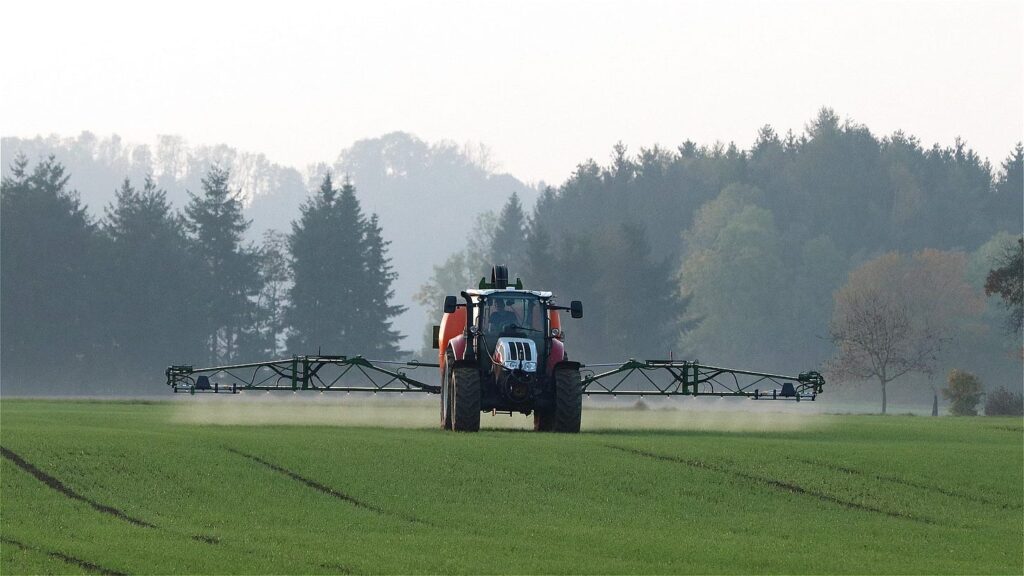
Trump issued an executive order to promote a popular weed killer – what does the science say about its effects?
In last week’s update, I mentioned Trump’s executive order to protect the production of glyphosate-based herbicides, which includes the popular Roundup, despite criticism from many health and environmental advocates and even backlash from within the “Make America Healthy Again” (MAHA) community.
Bayer, the manufacturer of the herbicide, has faced tens of thousands of lawsuits claiming that glyphosate causes serious illness, including cancer.
This week, Jackie Flynn Mogensen reported for Scientific American about the current scientific knowledge about the effects of glyphosate, which various international organizations have labeled either “likely not carcinogenic” or “probably carcinogenic to humans,” depending on how their respective experts evaluated available scientific studies:
The research is more nuanced. In 2018 researchers at the National Cancer Institute found “no association” between glyphosate exposure and non-Hodgkin lymphoma in farmworkers. But one year later, in 2019, a meta-analysis found a “compelling link” between glyphosate exposure and the cancer. This meta-analysis “was unique because it focused on the most highly exposed groups,” says Lianne Sheppard, senior author of that paper and a professor at the University of Washington, who studies the health effects of chemical exposures.
Glyphosate’s effects on other animals is also under research scrutiny. Studies show glyphosate exposure may disturb honey bees, harming their ability to forage food, and that the weed killer could have damaging effects on plants, birds and mammals, according to the EPA.
Last year, an influential 2000 study backed by the manufacturer, which had concluded that glyphosate was not carcinogenic, was retracted due to “ethical concerns.”
Long-term studies on pesticide effects on humans and the environment are logistically challenging and expensive. People and animals are exposed to many pollutants – that makes it difficult to parse apart which chemical is responsible for any illness. That means the science is still not settled. Mogensen writes:
“We’re just at the beginning of studying glyphosate, but we absolutely must study it, given it is the most commonly used herbicide in the world,” [said Brenda Eskenazi, a professor emerita of public health at the University of California, Berkeley]. “Even a small, tiny effect, if it’s real, can have a huge public health impact because so many people would be exposed.”
Bio-based plastics may not be an environmentally friendly alternative after all
If you’re like me, you might have seen the label “bioplastic” and thought it was a more Earth-friendly alternative to conventional, fossil fuel-based plastics.
Well, it turns out that while bio-based plastics are, indeed, more climate-friendly, they’re harder on biodiversity, reports Sarah DeWeerdt for Anthropocene Magazine:
The carbon footprint of bio-based plastics is a little over half that of fossil-based plastics, mainly because the plants from which bio-based plastics are made absorb carbon dioxide as they grow.
But the ecosystem quality impacts of bio-based plastics are several times those of fossil-based plastics, mainly because natural ecosystems have to be converted to agricultural fields to grow those plants. The human health impacts of bio-based plastics are also higher, because of the fertilizers and water the crops demand.
Unfortunately, the end-of-life impacts aren’t necessarily better, either:
Ecosystem damage from improper disposal of plastic depends on how long a particular polymer lasts in the environment – not whether it is made from petroleum or plants.
So, what can we do? The most sustainable answer is to find non-plastic alternatives when possible. For myself, I try to minimize single-use plastics and use glass or other materials when I can, but I try not to drive myself nuts over it.
And that’s it for this week’s State of Nature Update. I hope you enjoyed the stories!
Drop a note in the comments if any resonated with you, or if there’s another biodiversity or other nature-related story you’d like to share with us!
If you’d like to get new posts sent directly to your inbox every week, subscribe to my newsletter via Substack:
It’s free to subscribe, but if you choose the paid option you’d support my work and help keep my articles free for those who can’t afford a paid subscription!
Not ready to subscribe? It takes many hours to research and write each post, so please consider supporting my work by buying me a coffee (or a beer…😄).