3/25/2026: Birds use cigarette butts, ravens remember wolf kill sites, insects migrate remarkable distances, daylight saving time helps wildlife, carbon footprint of farmed vs. wild fish, and more…
After a brief hiatus last week, welcome back to another weekly compilation of newsworthy stories about the state of biodiversity, the threats it faces and emerging solutions. Here’s a snapshot of what’s happening in nature around the world and why it matters.
Biodiversity:
- Birds may use cigarette butts to keep parasites out of their nests.
- Ravens remember where to find wolf kills over long distances.
- Insects migrate remarkable distances, and scientists are starting to learn how they do it.
- Daylight saving time helps keep wildlife safe.
- Flying foxes benefit both their habitats and Australia’s economy.
- This flower gives hope that evolution can keep up with climate change.
Climate Change:
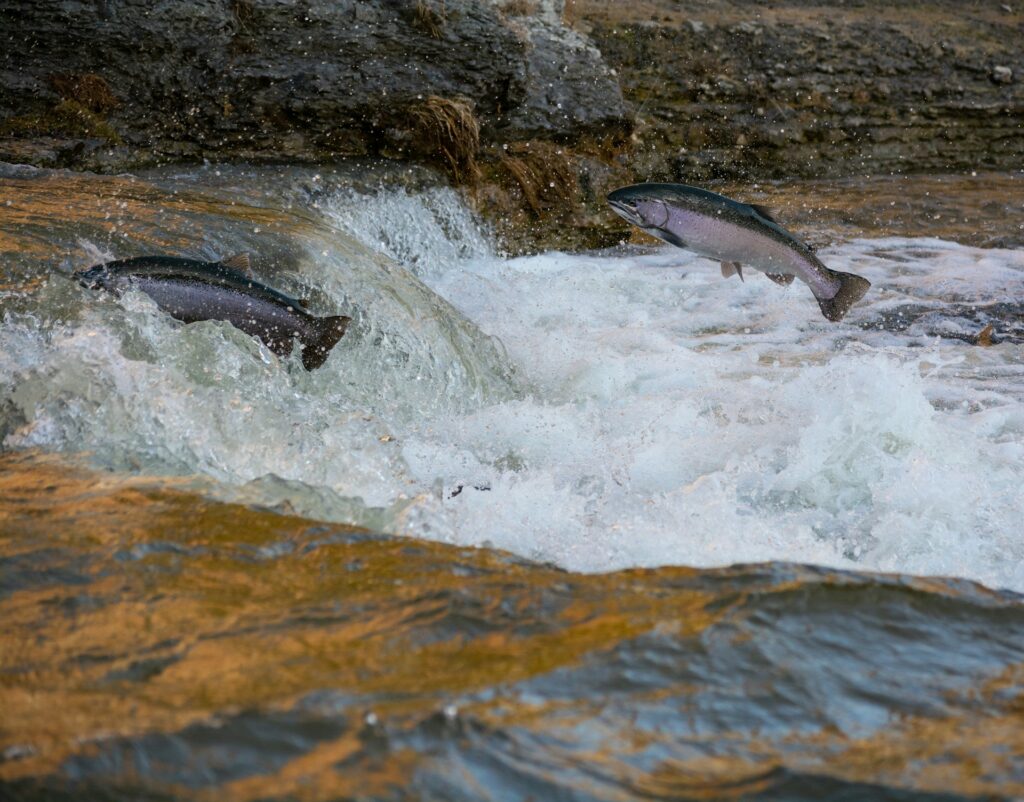
- Should you eat wild or farmed fish to be carbon-friendly?
Plastics:
- New Wildlife Impact Calculator estimates how many animals your beach cleanup saved.
If you’d like to get new posts sent directly to your inbox every week, subscribe to my newsletter via Substack:
Biodiversity
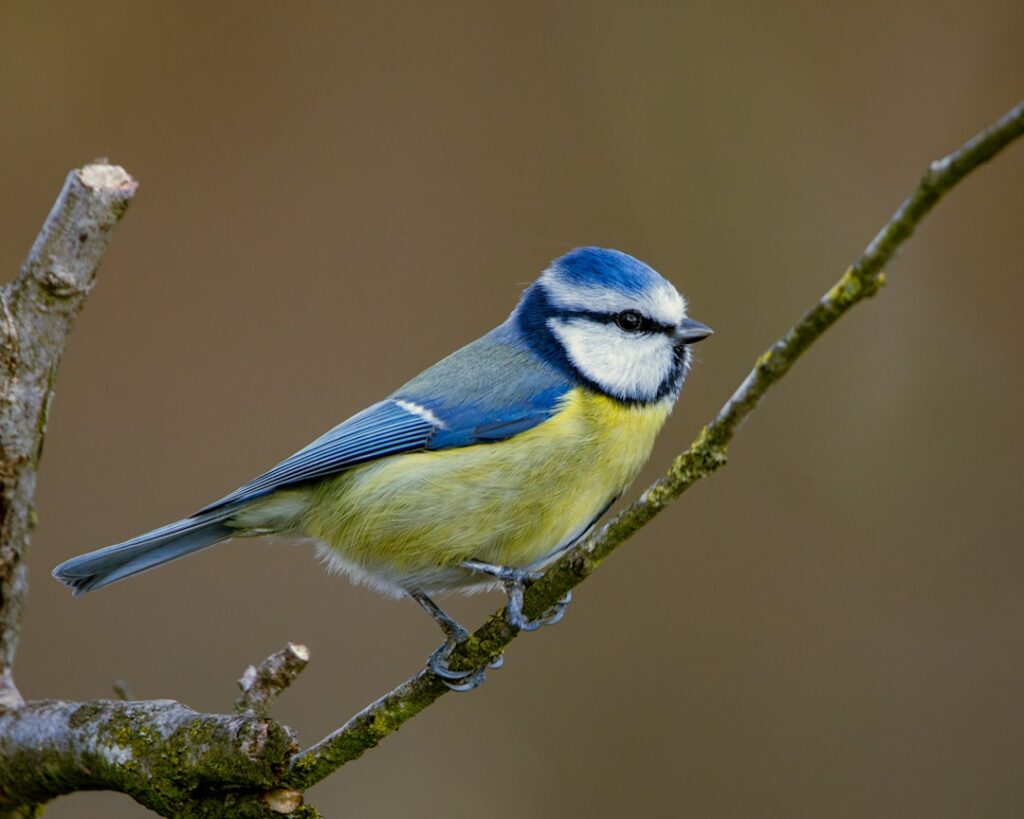
Birds may use cigarette butts to keep parasites out of their nests
Evidence is mounting that some birds use cigarette butts as pest control in their nests, reports Lesley Evans Ogden for the New York Times:
A new study adds evidence for why urban birds have picked up this preference, at least in one species: The toxins in tobacco may keep parasites at bay in the nests of blue tits, colorful birds that are found across Europe.
Ogden describes how the research team compared the health of chicks and parasites in nests in which the scientists had placed two cigarette butts to both natural nests and ones that had been sterilized.
They found that chicks in both the sterilized and cigarette butt-laced nests were healthier in some ways than those in the natural ones, and had fewer parasites. Nests with cigarette butts had more parasites than sterilized nests. Ogden writes:
Cigarette butts contain about 4,000 chemical compounds, including nicotine, arsenic, polycyclic aromatic hydrocarbons and heavy metals. These compounds could ward off pests that harm birds and their offspring.
Similar behavior has also been observed in birds on other continents, including in Darwin’s finches in the Galápagos and house sparrows and house finches in Mexico City.
It isn’t all good news, however. Not entirely surprisingly, while the cigarette butts kill pests, they are apparently damaging the health of young birds in other ways: “blood cells from nestlings showed evidence of genetic damage from cigarette butt exposure.”
So don’t be tempted to toss used cigarette butts into the nearest bird nest you find!
Ravens remember where to find wolf kills over long distances
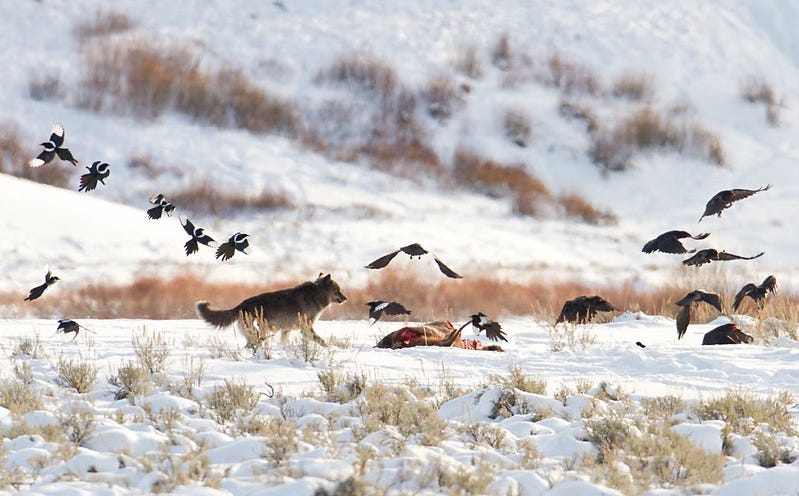
Ravens in Yellowstone National Park love it when wolves make a kill, waiting until the wolves are done feasting and then finishing off whatever scraps they can find for an easy meal. Sometimes they don’t even wait until the wolves are gone.
But how do they know where wolves will get their next tasty meal? Scientists had assumed that ravens follow wolves, but it turns out that they actually remember where wolf kills are most likely to happen, reports Anastasia Scott for Discover:
After tracking ravens and wolves across the landscape for more than two years, researchers found that ravens rarely trail wolves…
“It was one of those moments when suddenly everything started to make sense,” first author and behavioral ecologist Matthias Loretto told Discover. “Once we realized that long-distance following of wolves was extremely rare in our data, we were quite puzzled.”
The researchers tracked 69 ravens with lightweight GPS transmitters and 20 wolves with radio collars and found that ravens sometimes flew up to six hours to find a fresh kill.
The new insight also makes more sense from an animal behavior perspective: ravens are generally active during the day, while wolves hunt both during the day and night. But successful wolf hunts of bison, elk and deer often happen in particular spots on the landscape – particularly flat valley bottoms. It appears that ravens simply remember the geographic patterns of where the kills will most likely take place.
Individual ravens also behaved differently during the study – some located wolf kills more often while others rarely, if ever, did.
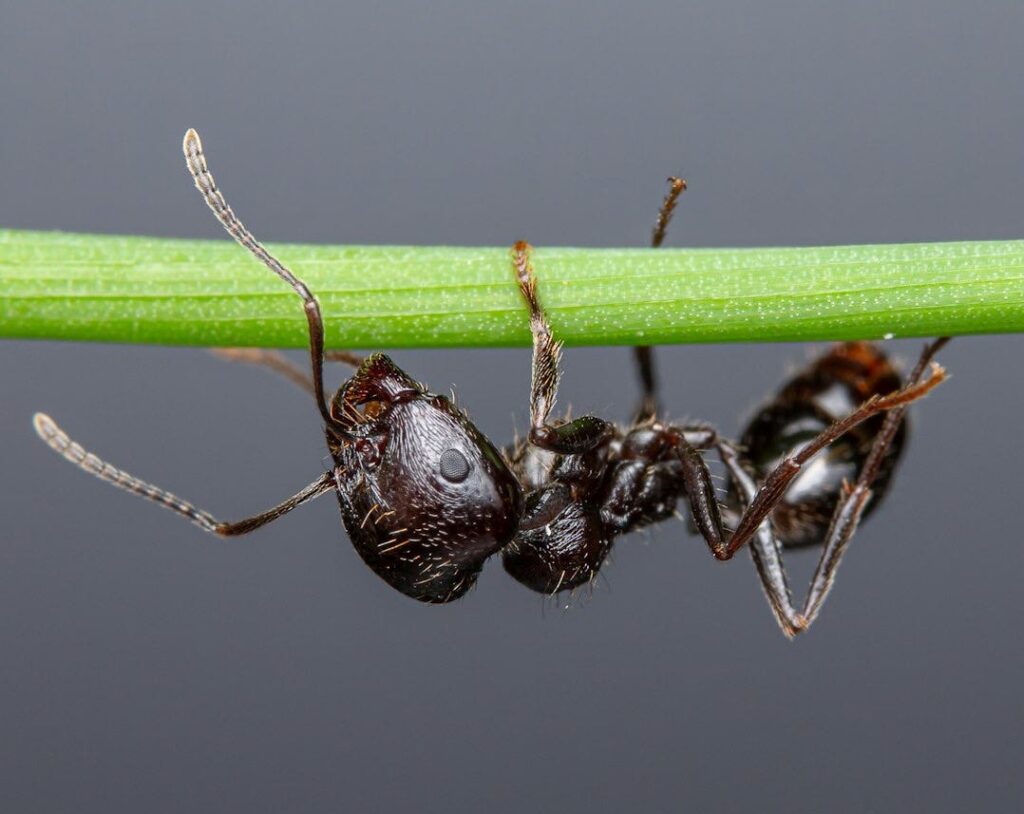
Insects migrate remarkable distances, and scientists are starting to learn how they do it
Speaking of traveling remarkable distances, researchers are just now learning how insects migrate across vast distances. These migrations, by butterflies, dragonflies, flies and others, were largely ignored by scientists for decades, report Phoebe Weston, Ana Lucía González Paz, Prina Shah and Garry Blight for the Guardian:
Today, we know that insects – many of which have wings smaller than a human fingernail – are among the planet’s most prolific migrants, with trillions travelling large distances every year, including over deserts, mountain ranges and even crossing oceans.
The quest to find out where and how insects migrate started in 2013, when Gerard Talavera, an entomologist, found a tired-looking painted lady butterfly in French Guiana. But they’re not known from South America – could it have crossed the Atlantic Ocean?
Talavera then “assembled a team of biologists, geneticists and atmospheric scientists to reconstruct this seemingly impossible journey.” What they found was surprising: wind data showed that winds at certain altitudes could, in fact, carry the butterflies from Africa to South America in about a week.
The team also examined pollen and butterfly genetics, finding that pollen on some of the butterflies was from Africa, but the butterflies themselves were actually from Europe. So the journey was even longer than first thought – probably around 7,000 km (4,300 miles)!
We don’t know, however, just how common this particular route is for the tiny insect. The hardy butterfly is also known to cross the Sahara, so it’s no stranger to long and arduous journeys.
The Guardian article, a wonderfully illustrated read, also examines how Australian bogong moths use stars to navigate the night sky, similar to birds. And how researchers go about tracking insects, which are often too small to tag. Much is still unknown about the mysterious migrations, which typically occur over multiple generations.
At the same time, insect populations are crashing:
Due to climate breakdown, habitat loss (driven by industrial farming) and pesticide use, the number of insects flying around our world is in decline. A study from Germany found there had been a 97% decline in aphid-eating migratory hoverflies over the past 50 years.
Daylight saving time helps keep wildlife safe
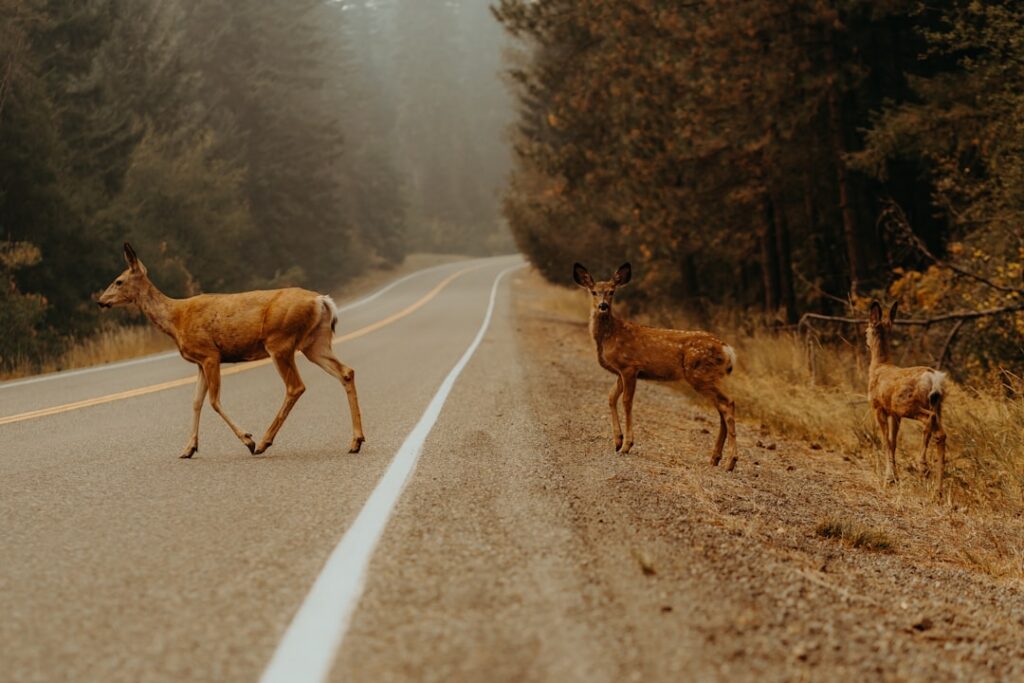
I’m not a huge fan of the switch to daylight saving time in the spring – I prefer sunlight in the morning. But it turns out that the later sunset time is better for wildlife, primarily because of fewer deer hit by cars in the evening, reports Jackie Flynn Mogensen for Scientific American:
Animals’ risk of becoming roadkill depends on several factors, including how many vehicles are on the road, how many animals are on the road, and how animals and human drivers behave, explains Tom Langen, a professor of biology at Clarkson University, who studies animal-vehicle collisions.
Deer typically start moving around at dusk – browsing near roads and crossing them, which means they’re more in danger of getting hit by cars then. And the greater chance of being hit by a car in the evening was not offset by fewer morning crashes. Mogensen writes:
In fact, the rate of deer collisions was 14 times higher just after dark than before sunset—resulting in a “net increase” in deer collisions during standard time months, [says Laura Prugh, professor of quantitative wildlife sciences at the University of Washington].
Her 2022 paper estimated that around 36,000 deer deaths could be prevented through a permanent switch to DST, in addition to preventing 33 human deaths and reducing the costs of deer-car collisions by around $1 billion.
I guess I’ll stop complaining about DST given these odds.
Flying foxes benefit both their habitats and Australia’s economy
Flying foxes, along with other bats, are often feared for supposedly spreading diseases. But a new study found that flying foxes, and particularly the grey-headed flying fox (Pteropus poliocephalus), contribute hundreds of millions of dollars to Australia’s economy, reports Anthony Ham for the New York Times:
Researchers calculated that the flying foxes were responsible for the creation of more than 91 million trees, a majority of them eucalypts. For Australia’s economy, that means somewhere in the range of $195 million to $673 million per year contributed by the bats.
It’s not the only study to document the “nature services” bats provide. Other studies found benefits to Texas’ cotton and corn crops and Mexico’s tequila industry.
Part of the boon to Australia’s timber industry is that their large size – grey-headed flying foxes can grow to a wingspan of more than five feet – allows them to be “mega-dispersers,” carrying larger seeds farther than many other pollinators can, such as insects or birds. Ham writes:
The researchers coined the term “the bat ripple effect” to describe the flying foxes’ impact across multiple ecosystems as they travel hundreds of miles in a few days.
Flying foxes are threatened by habitat loss, fire and extreme heat because of climate change, but losing them could have dire consequences for the country’s forests.
This flower gives hope that evolution can keep up with climate change
Climate change threatens many aspects of biodiversity, but a new study gives hope that evolution can keep up in at least some species, reports Warren Cornwall for Anthropocene Magazine:
The scarlet monkeyflower, a low-to-the-ground perennial with showy red blooms, has shown it contains the genetic capacity to rapidly evolve in the face of a punishing drought, according to research just published in Science.
The researchers got the unique opportunity to monitor the genetics of the flower before, during and after an extreme drought in California, which experienced the driest conditions in more than 10,000 years from 2012 to 2015. They had fortuitously collected seeds from several populations before the drought, so could compare them to seeds collected between 2010 and 2016.
When they compared the genetics, they found that three populations had more DNA patterns linked to drought. Not surprisingly, those populations also bounced back faster once the drought ended.
The discovery gives hope that conservationists can monitor favorable genes in species vulnerable to climate change and promote them. However, this strategy would only work in some species, and it’s hard to predict which may not respond as quickly.
Climate Change
Should you eat wild or farmed fish to be carbon-friendly?
Many factors play into the carbon equation of our food – emissions from transportation, production and waste, among others. So what’s better for our climate, farmed or wild fish? James Gaines reports for Anthropocene Magazine on the math around this seemingly straightforward question, which turns out to be surprisingly complex:
It depends not just on the species, but where, when, and how it was caught. And new advances continue to change the math as well.
If you’re interested in this topic, check out this chart from Our World In Data:
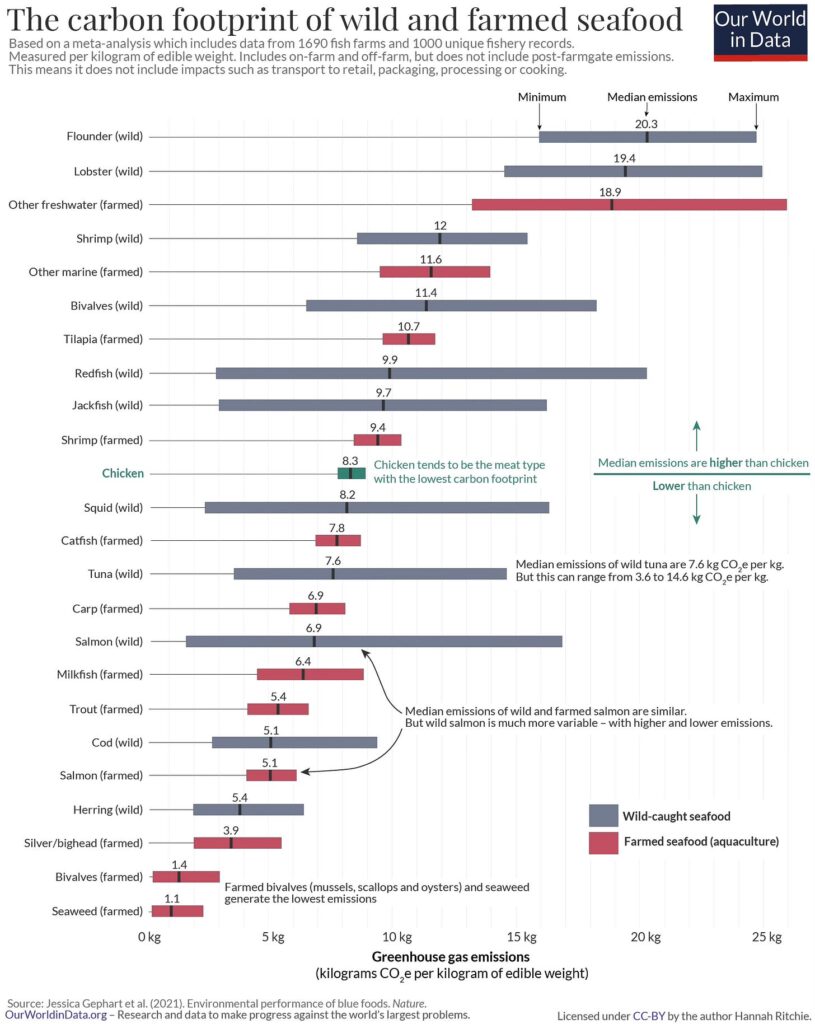
As you can see, there’s a lot of variability, but while wild salmon, for example, CAN have lower emissions, there’s a huge range, depending on many factors. Farmed salmon, on the other hand, has a much lower range, so may be a safer bet.
Other factors that affect emissions include the carbon emissions of the feed, the processing, the electricity source and food waste.
It’s also important to remember that many fish stocks are not sustainably managed and are shrinking. If fishers need to travel farther to find fish to catch, emissions from transportation would also increase.
Plastics
New Wildlife Impact Calculator estimates how many animals your beach cleanup saved
Plastic is everywhere, and even small amounts can kill marine wildlife. Now Ocean Conservancy has released a new calculator that tells you how many animals your beach cleanup has saved, reports Kristin Toussaint for Fast Company:
Plastic pollution in the ocean is a massive, global environmental issue. Every day, 2,000 truckloads worth of plastic waste enter ocean waters. Addressing that pollution would require research into better kinds of food packaging and recycling, and policies like an international plastic treaty.
Even small amounts of plastic can kill marine animals, which is why it’s so important to prevent plastic from entering the ocean, Toussaint writes:
Just three sugar cubes worth of plastic, for example, has a 90% chance of killing a seabird like the Atlantic puffin, which is only 11 inches in length.
So, if you visit a beach (or any natural area, really), pick up that stray empty plastic water bottle or plastic bag and dispose of it properly. You may just be saving a life.
And that’s it for this week’s updates. Drop a note in the comments if any article resonated with you, or if there’s another biodiversity or other nature-related story you’d like to share with us!
If you’d like to get new posts sent directly to your inbox every week, subscribe to my newsletter via Substack:
It’s free to subscribe, but if you choose the paid option you’d support my work and help keep my articles free for those who can’t afford a paid subscription!
Not ready to subscribe? It takes many hours to research and write each post, so please consider supporting my work by buying me a coffee (or a beer…😄).
Articles covered:
- The New York Times, 3/18/2026, by Lesley Evans Ogden: Why some birds seem to be developing a cigarette habit.
- Discover, 3/12/2026, by Anastasia Scott: Ravens fly up to 6 hours nonstop, using memory – not tracking – to find wolf kills in Yellowstone National Park
- The Guardian, 3/18/2026, by Phoebe Weston, Ana Lucía González Paz, Prina Shah and Garry Blight: Butterflies crossing oceans, moths navigating the stars: unravelling the mysteries of insect migrations.
- Scientific American, 3/7/2026, by Jackie Flynn Mogensen: Daylight savings time is good for wildlife
- The New York Times, 3/24/2026, by Anthony Ham: We’ve been underestimating flying foxes.
- Anthropocene magazine, 3/18/2026, by Warren Cornwall: Can evolution keep up with climate change? This flower offers hope.
- Anthropocene Magazine, 3/12/2026, by James Gaines: What’s more carbon-friendly, farmed or wild fish?
- Fastcompany.com, 3/23/2026, by Kristin Toussaint: beach cleanups can save the lives of marine animals. This calculator tells you exactly how many.
Other resources:
- Environmental footprint of fishing, Our World in Data
- Wildlife Impact Calculator, Ocean Conservancy