4/25/2026: Bat releases in Ukraine give respite from war, chimpanzee civil war, Britain’s butterflies are declining, warmer winters help and hurt wildlife, 10% of oceans are protected, and more…
Welcome to another compilation of newsworthy stories about the state of biodiversity, the threats it faces and emerging solutions. My goal is to offer a snapshot of what’s happening in nature around the world and why it matters.
Here’s what’s new this week in nature:
Biodiversity:
- Ukrainians find joy in releasing bats rescued from war.
- Chimpanzees are waging a civil war. No one knows why.
- More than half of Britain’s butterflies are declining, study finds.
- Hot, dry winters could be helping Wyoming’s big game – or hurting it.
- Ants provide a ‘carwash service’ to other ants.
- Marine mammals play to train for life – and perhaps to just have fun.
Pollution & Pesticides:
- PFAS levels in some seabird eggs are declining.
Conservation:
- World reaches milestone of protecting 10% of oceans.
If you’d like to get new posts sent directly to your inbox every week, subscribe to my newsletter via Substack:
Biodiversity
Ukrainians find joy in releasing bats rescued from war
I was reminded of nature’s ability to heal human wounds when I read Derek Gatopoulous and Vasilisa Stepanenko’s reporting for the Associated Press about how Ukrainians rallied around the release of bats by the Ukrainian Bat Rehabilitation Center. Many of the bats were rescued from war-torn areas around the country.Gatopoulus and Stepanenko write:
Late Saturday, children, many wearing bat-themed T-shirts and hats, watched as volunteers fed the animals mealworms with tweezers before letting them go. Some were allowed to wear gloves and handle the bats themselves.
The war has displaced humans and animals alike – bats often shelter in buildings. When the buildings are destroyed by war, the bats are left with no place to go, especially in winter.
More than 1,000 people attended a recent release of rescued bats, a welcome respite from their daily routines defined by the war:
“Life goes on despite the war,” said Oleksii Beliaiev, a 54-year-old Kyiv resident who attended with his family. “The war is the main thing right now, but there has to be something else as well.”
The story includes a lovely video about the bat release by the Ukrainian Bat Rehabilitation Center. I urge you to watch it – it’s truly heartwarming.
Chimpanzees are waging a civil war. No one knows why
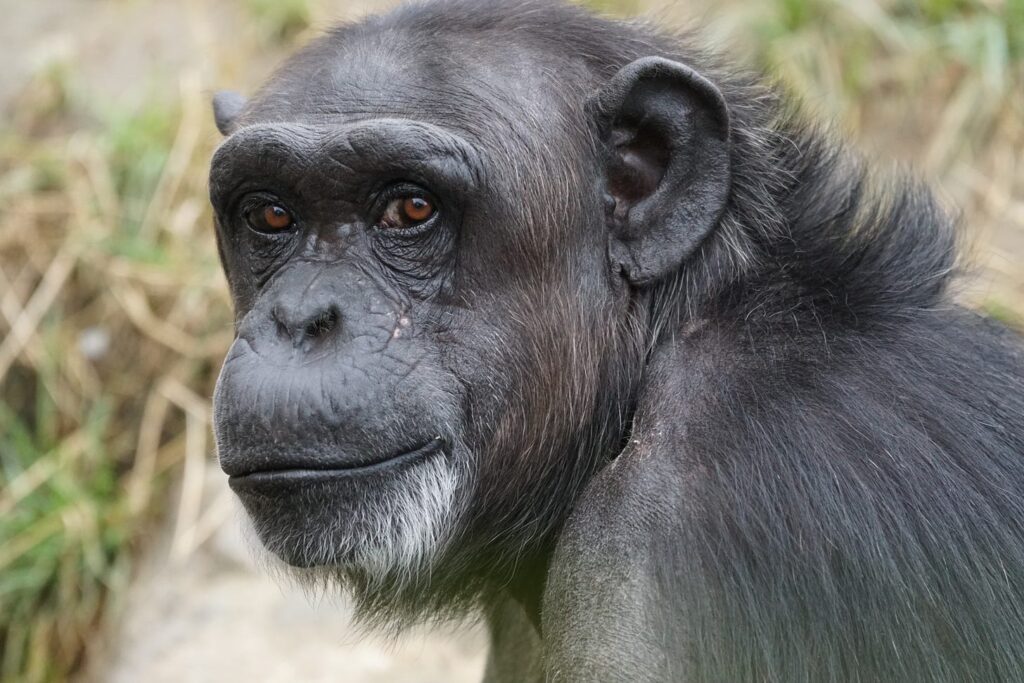
Humans aren’t the only species fighting each other, it turns out. As Carl Zimmer reports for the New York Times, chimpanzees in the forests of Uganda have been waging a sort of civil war against each other, for unknown reasons. Zimmer writes:
On Thursday, a group of researchers reported that the Ugandan chimps are locked in a primate version of civil war. Two factions split about a decade ago and have been engaged in a highly lethal conflict ever since.
The chimps were divided into three communities, known as the Western, Central and Eastern “clusters.” Before about 10 years ago, the chimps from the various groups seemed mostly friendly – individuals moving daily from one cluster to the other, grooming each other and even mating.
Then, suddenly, things changed and a bloody war between the groups started. Zimmer reports:
At first the researchers thought that confrontation was a fluke. But over the next few years, Dr. Mitani and his colleagues witnessed more violence between the Central and Western clusters.
Researchers have been documenting the aggressions, but don’t know what started them. These insights could shed light on why humans wage wars, since humans and chimpanzees share a common ancestor from around six million years ago. Zimmer writes:
The Ngogo chimpanzees show how our ancestors could have gotten dragged into years of lethal fighting without ideology or cultural identity — let alone the language to talk about them.
More than half of Britain’s butterflies are declining, study finds
Patrick Barkham reports for the Guardian about a 50-year dataset about butterflies in Britain, which found that more than half of the area’s 58 species have declined, while around 43% have increased. Barkham writes:
A number of rarer, “habitat specialist” butterflies – which rely on specific plants or habitats such as wetlands, woodlands or flower-rich grasslands – have sustained serious declines, including the high brown fritillary (down 66%), pearl-bordered fritillary (down 70%) and white-letter hairstreak (down 80%).
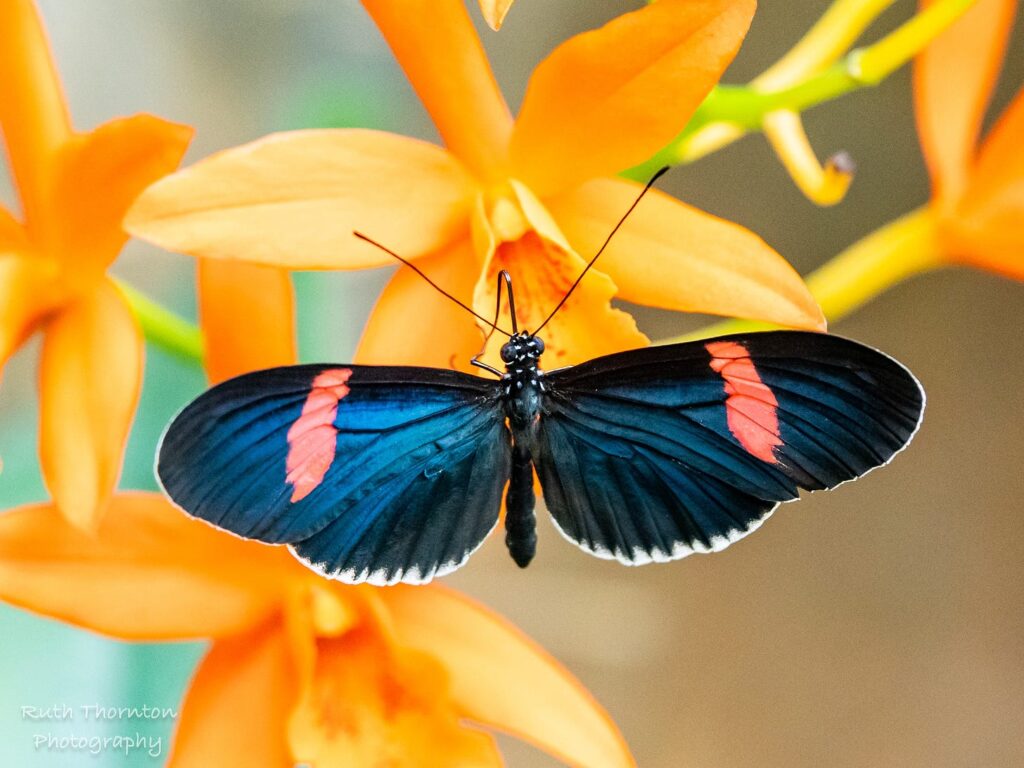
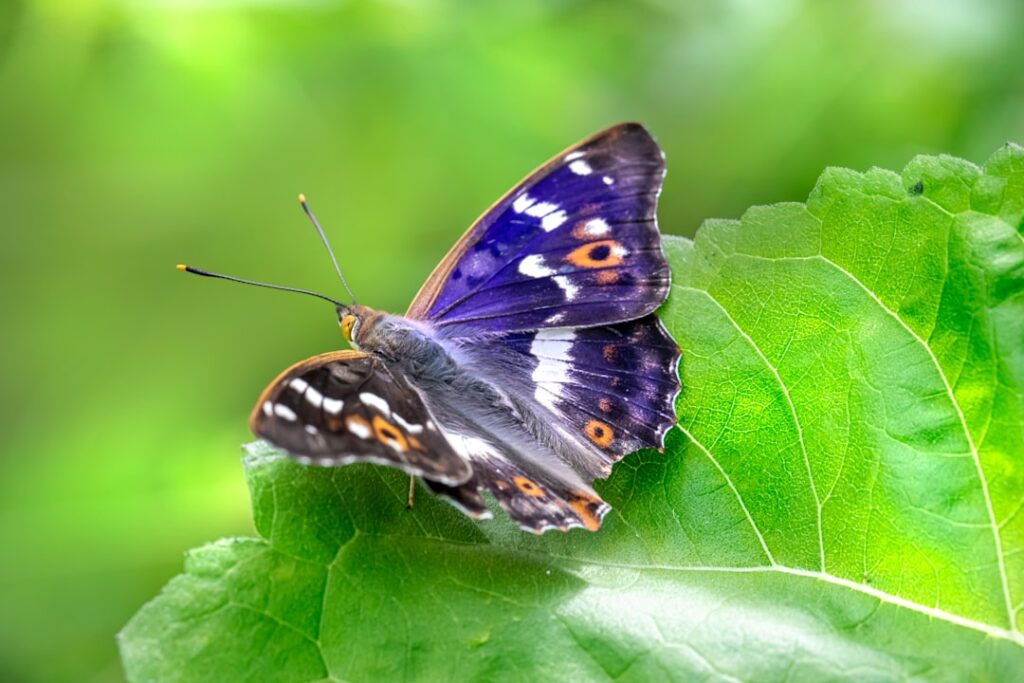
Climate change seems to have a mixed effect on butterflies, according to the study. While some common species, including the purple emperor, red admiral and comma have increased and are moving northwards following warmer temperatures, more specialized species are declining.
Experts believe that habitat loss and pollution are main factors in butterfly declines, with climate change playing an indirect role. Conservation actions, however, have resulted in increases in some rare species, Barkham writes:
The biggest winner of the past half a century is the large blue, which was declared extinct in Britain in 1979 but was reintroduced to specially managed grassland in Somerset. Its numbers have soared by 1,866% since 1983. Conservation work has also helped rare butterflies such as the silver-spotted skipper (up 300%) and the black hairstreak (up 844%).
Hot, dry winters could be helping Wyoming’s big game – or hurting it
Climate change doesn’t just affect butterflies and other insects – it also impacts large mammals like pronghorns, elk and deer. Christine Peterson reports for WyoFile about the impacts of milder winters on wildlife in western Wyoming:
Little snowpack and limited spring rains in lower elevation basins and foothills translates into smaller, less nutrient rich plants and wildflowers that so many big game depend on for survival. It also means less growth on important shrubs like bitterbrush and sagebrush.
While warmer winters are easier on many species in the short-term as less snow makes it easier to find much-needed forage, the resulting drought conditions the next year cause other problems. Peterson writes:
Deer will likely deliver plenty of fawns this year, especially after the mild winter, but if those same mothers can’t find enough to eat, they will produce less milk for their young, said University of Wyoming professor and longtime mule deer researcher Kevin Monteith. Less milk leads to weaker, smaller bodied fawns that will struggle to survive an upcoming winter.
One way to help large game species adapt is to allow them to move throughout the landscape to find the best conditions by providing ample migration corridors.
By removing human-caused barriers such as livestock fences, thereby connecting landscapes, wildlife might be able to move to more nutrient-rich pastures, potentially mitigating some of the adverse effects of climate change.
Ants provide a ‘carwash service’ to other ants
I’m fascinated by interactions between species, so this story about one species of ant providing a sort of cleaning service to members of another ant species caught my eye. Alexa Robles-Gil reports for the New York Times about incidental observations by Mark Moffett, an entomologist at the Smithsonian National Museum of Natural History, of interactions between large harvester ants and smaller cone ants around 20 years ago:
Dr. Moffett observed as the little ants, known as cone ants, climbed aboard the harvesters and licked and nibbled them. The behavior reminded Dr. Moffett of “cleaner fish” — oceanic fish that clean other species of fish.
These observations were recently published in the journal Ecology and Evolution. It’s not known exactly what each ant species gets from the interaction, but experts thought that the smaller cone ants could be getting particular nutrients while the larger harvester ants’ harder-to-reach corners were cleaned.
“What surprised me,” [said Alexandra Grutter, a marine ecologist at the University of Queensland in Australia, who was not involved with the study], “was the intimate interaction between this huge ant with these gigantic mandibles, and then this tiny, little ant delicately moving among the mouth parts, basically looking fearless in there.”
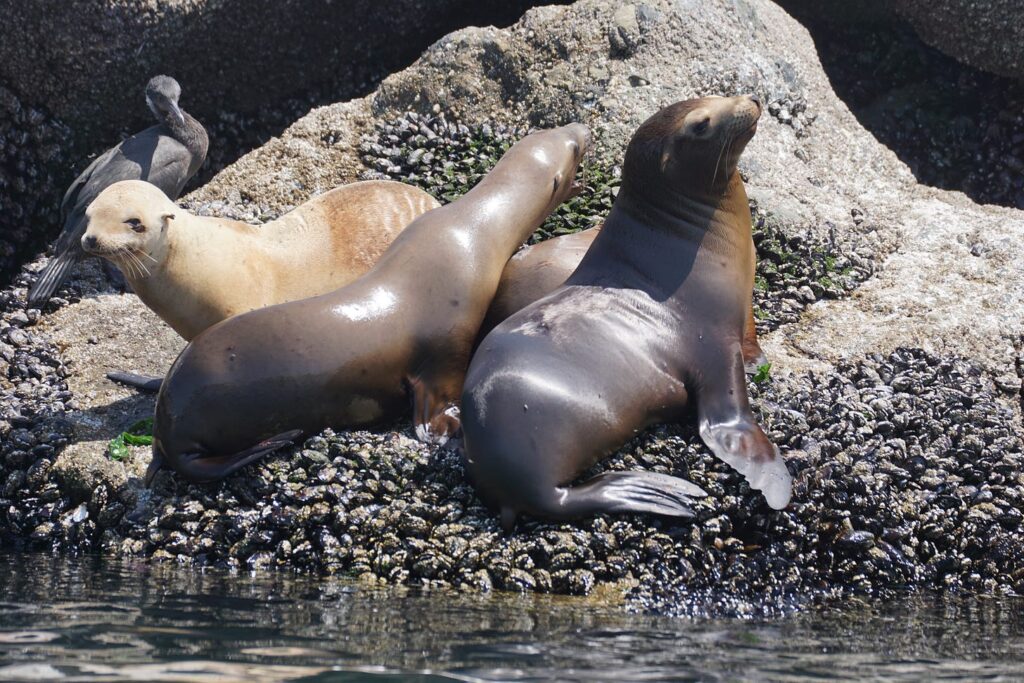
Marine mammals play to train for life – and perhaps to just have fun
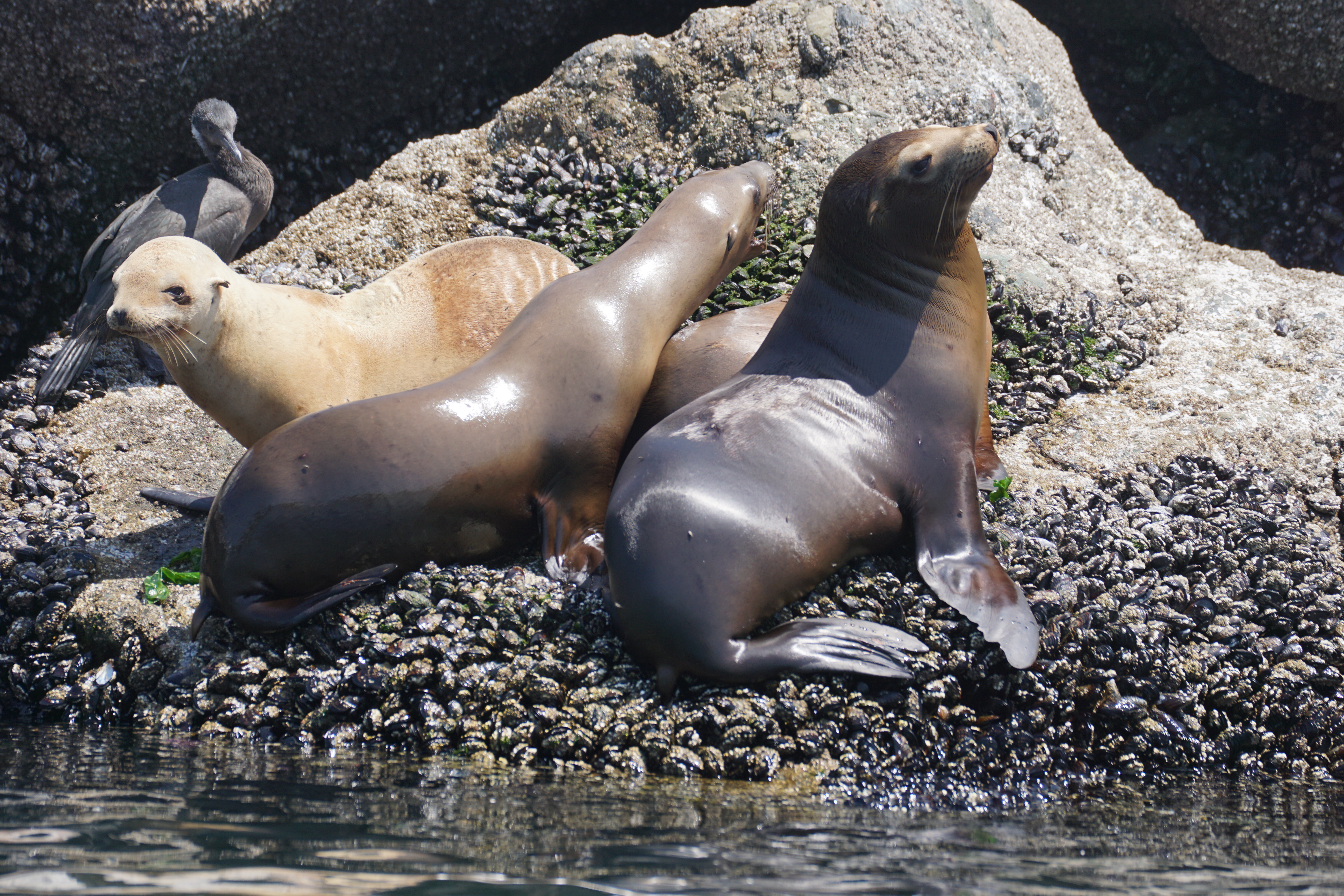
Photographers have been documenting high-stakes play by California sea lions knocking about inflated poisonous pufferfish like a ball, reports Sarah Gilman for bioGraphic:
[The sea lions] seemed “delighted by the interaction” and showed no interest in eating the fish, [photographer Henley Spiers] later wrote. The behavior is apparently common enough to earn a name—“pufferball.”
The game is not without danger, however – most of the around 200 species of pufferfish contain a potent neurotoxin that is potentially lethal. Incidentally, pufferfish is a delicacy in Japan, where skilled sushi chefs prepare it to avoid the poisonous parts.
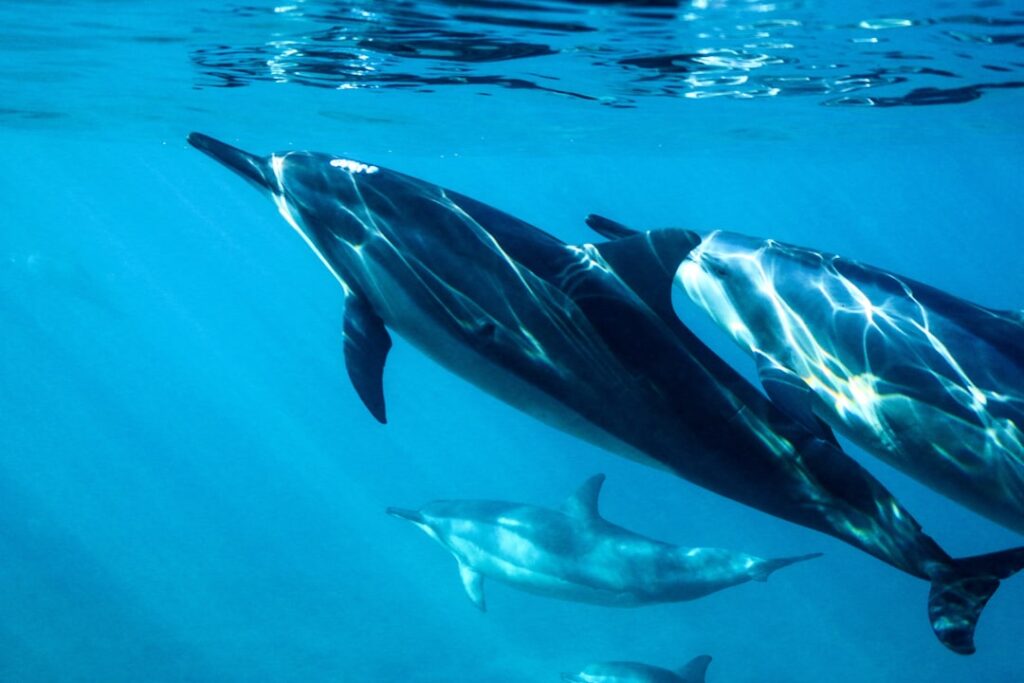
Other marine mammals, including dolphins, have also been observed playing with inflated pufferfish. Gilman writes:
After BBC Earth filmed juvenile male bottlenose dolphins playing catch with an inflated pufferfish—handling it gently, never biting down, and acting “blissed out”—some observers speculated that the animals were intentionally getting high on tiny doses of the toxin.
Marine mammals, including sea lions, fur seals and walruses, have been observed engaging in playful behaviors, often explained as a way to gain valuable life skills, including cooperative hunting. But perhaps it’s also a way for the animals to simply feel better:
Maybe all these behaviors are also just plain fun; research conducted with captive sea lions suggests that play and games measurably improve the animals’ well-being.
Pollution & Pesticides
PFAS levels in some seabird eggs are declining
In rare good news in the realm of pollution, it appears that some PFAS chemicals – also known as “forever chemicals” because of their longevity in the environment – are declining in northern gannets in Canada, reports Environmental Health News.
The study examined the levels of 17 PFAS chemicals in the seabirds over 55 years. It found that PFOS, a particularly well-studied PFAS chemical linked to numerous adverse health conditions in humans and wildlife, was the main contaminant in the birds. Its levels were highest in the mid-1990s and have been slowly declining since then.
PFOS has been phased out of production in the past 20 years, but many other PFAS chemicals, many with unknown health effects, have replaced it in consumer products over the years.
While the results of this study reaffirm that regulation is an effective tool for decreasing exposure to toxic chemicals, the authors emphasize that meaningful changes in the levels of persistent chemicals can be slow, making ongoing scientific monitoring and regulatory commitment critical.
Conservation
World reaches milestone of protecting 10% of oceans
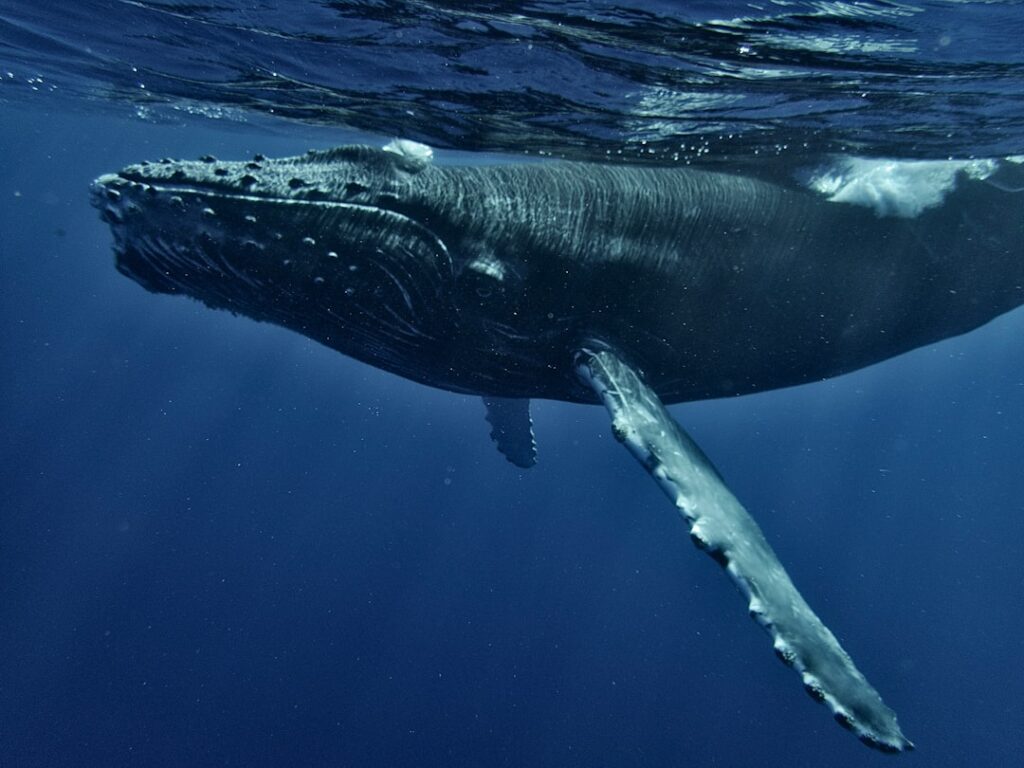
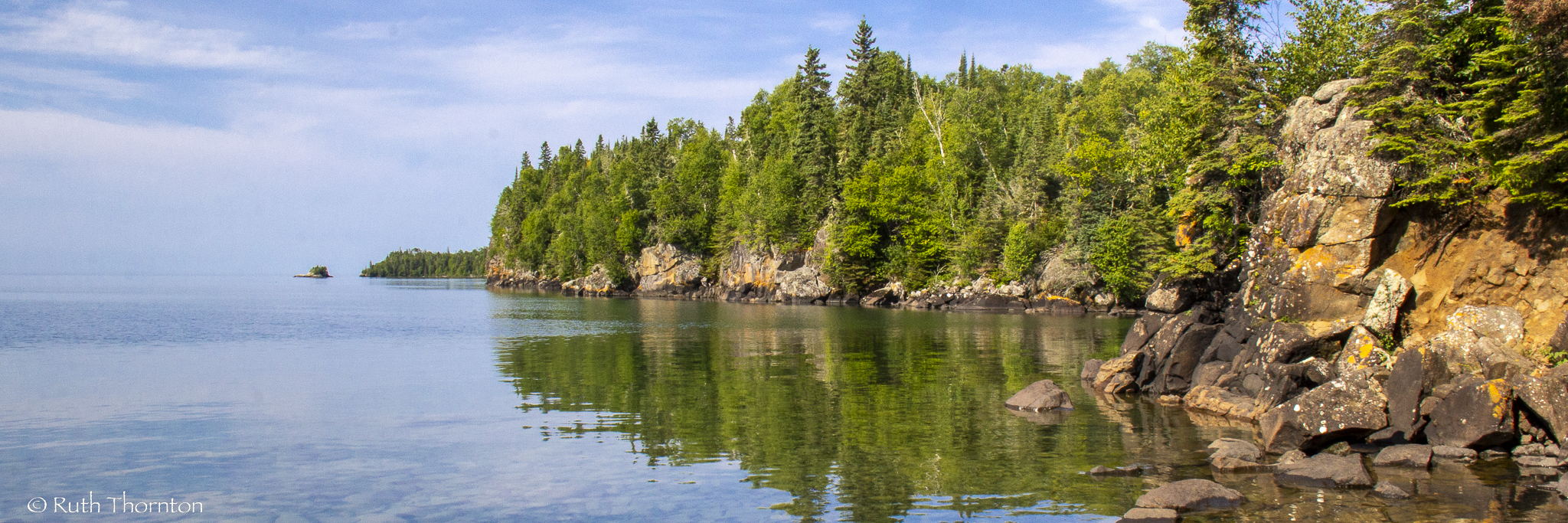
I’m happy to be able to end this newsletter on a positive note: According to the United Nations Environment Programme, just over 10% of the world’s oceans are now protected!
While this is an important achievement, I should also note that we’re six years behind schedule:
In the world’s previous biodiversity pledges, the Aichi Biodiversity Targets, countries agreed to protect 10 per cent of the ocean by 2020. Six years after deadline, the world has achieved this important ocean protection target.
Still, it’s an important milestone, especially considering that more than 5 million square kilometers – an area larger than the European Union – were protected in the last two years alone.
This target is part of the goal to conserve nearly one-third of Earth’s lands and waters by 2030, commonly known as “30 by 30.” To meet the goal of protecting 30% of the world’s oceans by 2030, an area roughly the size of the Indian Ocean still needs to be protected.
And that’s it for this week’s updates. Drop a note in the comments if any article resonated with you, or if there’s another biodiversity or other nature-related story you’d like to share with us!
If you’d like to get new posts sent directly to your inbox every week, subscribe to my newsletter via Substack:
It’s free to subscribe, but if you choose the paid option you’d support my work and help keep my articles free for those who can’t afford a paid subscription!
Not ready to subscribe? It takes many hours to research and write each post, so please consider supporting my work by buying me a coffee (or a beer…😄).
Articles covered:
- Associated Press, 4/6/2026, by Derek Gatopoulos and Vasilisa Stepanenko: After harsh winter, Ukrainians find joy in releasing bats rescued from war.
- The New York Times, 4/9/2026, by Carl Zimmer: These chimps began the bloodiest ‘war’ on record. No one knows why.
- The Guardian, 4/15/2026, by Patrick Barkham: More than half of Britain’s butterfly species in decline, monitoring scheme shows.
- WyoFile, 4/14/2026, by Christine Peterson: Hot, dry winter could be blessing – or curse – for Wyoming’s big game.
- The New York Times, 4/13/2026, by Alexa Robles-Gil: For ants, a ‘cleaning station’ in the desert.
- bioGraphic, 4/15/2026, by Sarah Gilman: Pass the pufferball.
- Environmental Health News, 4/16/2026: Declining PFAS levels in seabird eggs reflect impact of regulatory action.
- UNEP WCMC (Environment Programme), April 2026 news: World reaches milestone for nature: 10% of ocean now officially protected.