5/16/2026: Birds steal from other birds’ nests, wolves are thriving once again on Isle Royale, Timmy the whale’s botched rescue, toxic chemicals and climate change together harm fertility, and more…
Welcome to another compilation of newsworthy stories about the state of biodiversity, the threats it faces and emerging solutions. My goal is to offer a snapshot of what’s happening in nature around the world and why it matters.
Here’s what’s new this week in nature:
Biodiversity:
- Some birds steal nesting materials from other nests, potentially contributing to nest failures.
- City birds appear to be more afraid of women than of men, for unknown reasons.
- More wolves are thriving on Isle Royale than in nearly 50 years, finally keeping moose numbers in check.
- The botched rescue attempt of Timmy, the humpback whale stranded in Germany.
Pollution & Plastics
- Toxic chemicals and climate change work together to harm fertility in both humans and wildlife.
- Seven days without plastic contact slashes chemicals in the body, according to a new study.
If you’d like to get new posts sent directly to your inbox every week, subscribe to my newsletter via Substack:
Biodiversity
Some birds steal nesting materials from other nests, potentially contributing to nest failures
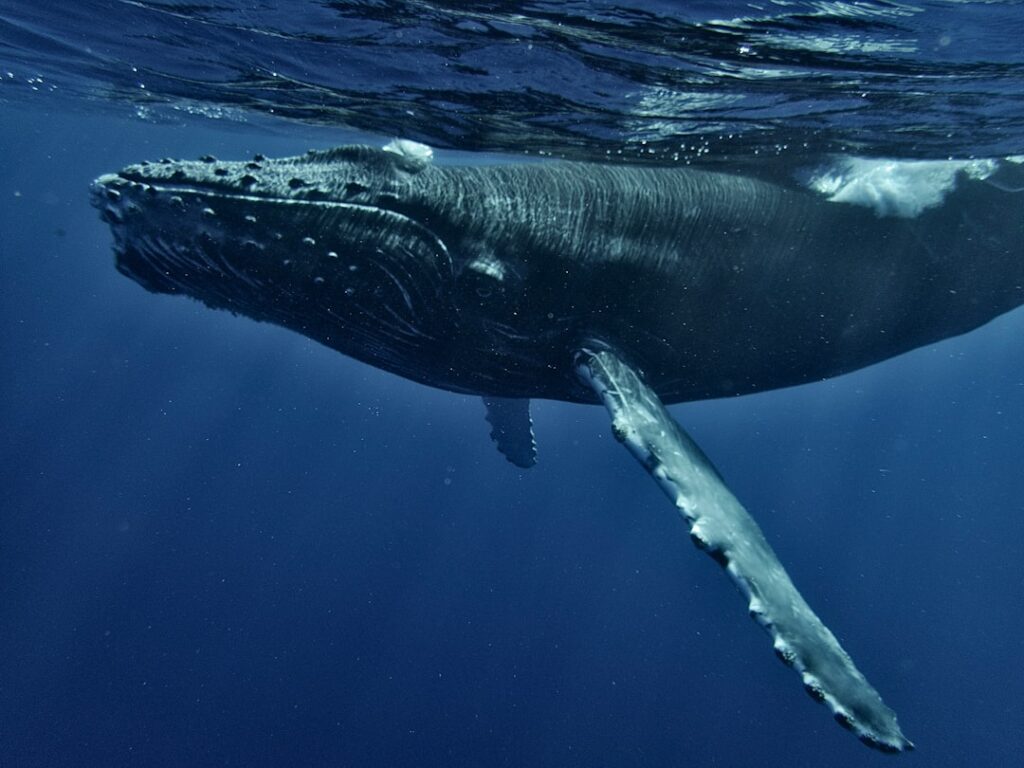
Some songbirds in Hawaii take a shortcut when it comes to building nests. Instead of gathering their own nesting materials – small twigs, vegetation, and softer materials – they simply steal them from other nests, reports Sara Novak for the New York Times.
Researchers have known that many birds sometimes steal parts of other nests – more than 40 species have been observed doing so. It even has its own scientific term – “nest material kleptoparasitism” – but authors of a recent study were surprised by how common the practice was after using GPS trackers to monitor 216 Hawaiian honeycreeper nests. Novak writes:
Most pilfered nests were inactive at the time of theft, but five were still active — and two of those thefts may have contributed to nest failures, in which parents abandon the nest and the offspring fail to survive. The three species stole from one another regardless of species identity.
Building nests is hard. Birds need to find and gather the materials, then shape them into a nest with a soft lining to help with incubation and keep their chicks safe. It takes experience and skill, and younger birds often struggle to get it right. But stealing from others has its own risks, such as attacks by the resident birds and parasites in abandoned nests that could be transferred to the new ones.
Hawaiian honeycreepers face a slew of threats besides nest thievery, however. Climate change, the introduction of rats, and disease has forced them to move from much of their former range to the highest elevations. Novak writes:
“The fact that they’re stealing from each other is just another challenge that they have to face,” [said Jessie Knowlton, an avian ecologist and conservation biologist at Wheaton College in Massachusetts, one of the study authors].
City birds appear to be more afraid of women than of men, for unknown reasons
In more bizarre news about birds, a new study found that dozens of European bird species apparently fear women more than men, reports Claire Cameron for Scientific American:
In the study, men could get about a meter closer to birds than women could before the animals flew away, according to the results. This pattern remained regardless of what the men and women were wearing, what their height was or how they tried to approach the creatures.
The researchers could not explain the results, which were consistent across nearly 40 species, including European great tits, magpies, and pigeons, in five countries. They theorized that the birds could be picking up on chemical signals or differences in people’s gait.
Ironically, other studies had found that lab rats are more stressed when handled by male researchers than by female ones. Cameron writes:
“We have identified a phenomenon, but we really don’t know why. What our results do highlight is the birds’ sophisticated ability to evaluate their environment,” said study co-author Federico Morelli, an associate professor at the University of Turin, in a statement.
More wolves are thriving on Isle Royale than in nearly 50 years, finally keeping moose numbers in check
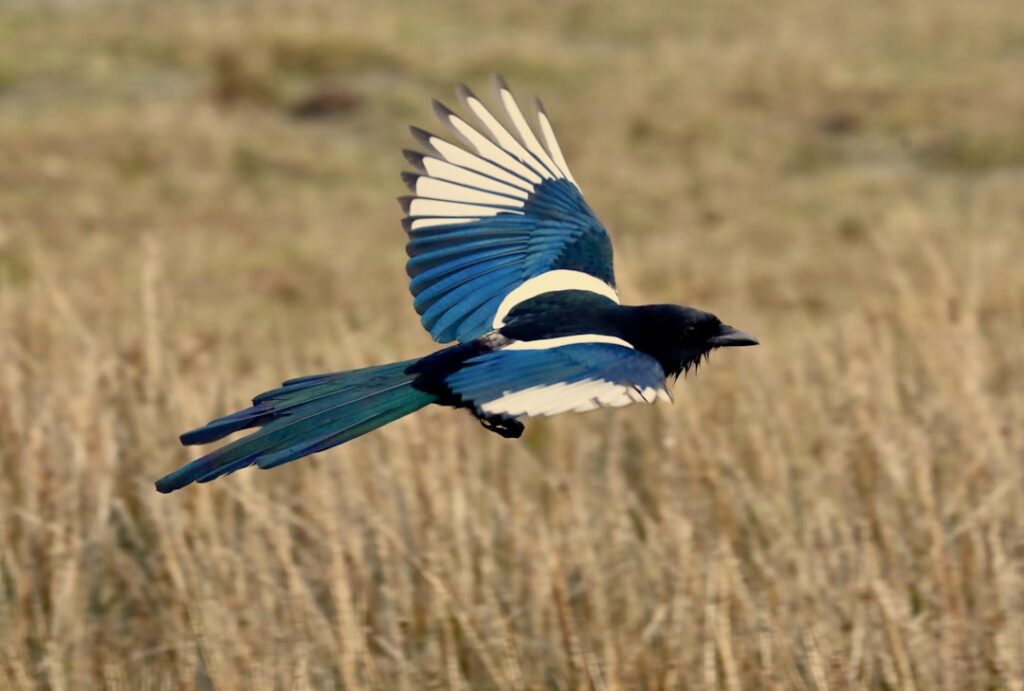
Wolves on Isle Royale, a remote island in Lake Superior between Canada and Michigan, are once again thriving, according to the latest results of the world’s longest predator-prey study, reports Tanda Gmiter for MLive:
Thirty-seven wolves are now organized into three packs across the island – and all packs will likely welcome pups this year, according to researchers with the Isle Royale Wolf-Moose Project, [now in it’s 68th year].
That’s a dramatic change from 10 years ago, when just two wolves remained on the island, all of which is protected as a national park. With the absence of meaningful predation, the island’s moose population had increased without check to more than 2,000 by 2019, damaging the balsam fir forests.
In 2018 and 2019, researchers released 19 wolves to restore a healthier predator-prey balance, which seems to be working – during the last winter survey, only 524 moose were counted. The scientists found that wolves killed nearly one quarter of the moose population, bringing it closer to what they believe is a healthier balance for the animals and vegetation on the island.
“The wolf and moose populations are now approaching the edge of where they have been in the past, with moose low and wolves high,” said Rolf Peterson, co-leader of the Isle Royale Wolf-Moose Project.
The botched rescue attempt of Timmy, the humpback whale stranded in Germany
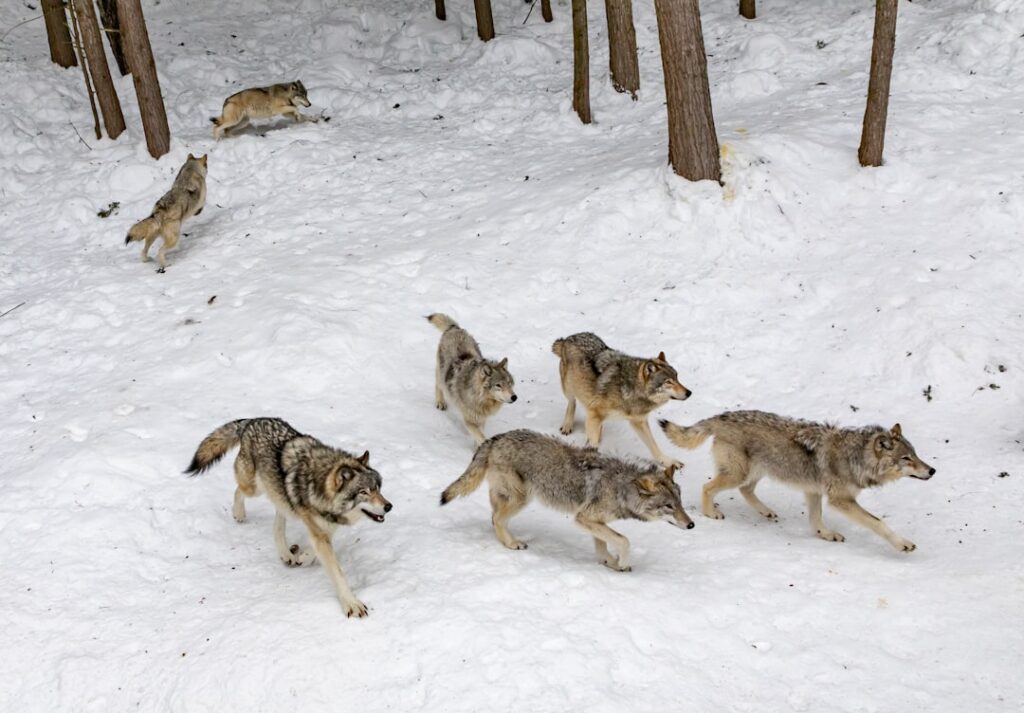
If you live in Germany, you’ve probably heard the tragic story about a humpback whale that was stranded along the Baltic coast beginning in March. It was nicknamed “Timmy” after the beach where it was first stranded, Timmendorfer Strand near Lübeck in northern Germany.
The animal (it’s not known if Timmy is male or female) had tried to free itself several times, but without success. It was weakened, unresponsive, and had developed skin lesions, a symptom of “freshwater skin disease” because the Baltic Sea is not as salty as the ocean. It was also injured after apparently getting tangled in fishing nets, with rope and nets potentially stuck in its mouth and into its esophagus, reports Martin Enserink for Science.
It’s a heartbreaking story of what happens when pressure from media and social media – some well-meaning, some self-serving to get more clicks – overrules the advice of experts.
After initial efforts to help the whale free itself were futile, marine biologists and whale researchers agreed that additional attempts would only cause Timmy more suffering. Enserink writes:
The Strandings Experts Panel of the International Whaling Commission (IWC) said on 7 April that “palliative care”—leaving the animal on the beach but keeping it wet and creating a calm and quiet environment—was “the only responsible, humane, and pragmatic response.”
Instead, after a public outcry, a privately-funded rescue mission was initiated that quickly turned into a media circus. Enserink writes:
Key faces of the effort included Danny.Firstclass, a German influencer and far-right activist whose real name is Danny Hilse, and Sergio Bambarén Roggero, a Peruvian writer of spiritual stories about the ocean frequently described as a “whale whisperer.”
The injured whale was transported in a water-filled barge and released in the strait between Denmark and Norway. Enserink writes:
A drone video of the whale on the day before its release, struggling and banging against the sides of the barge as the crew apparently tried to pull it out, has shocked researchers. “It’s very hard to watch,” says oceanographer Burkard Baschek, director of the Ocean Museum Germany. “The animal must have suffered greatly.”
Conflicts between the crew and veterinarians were reported, at least one of the funders has distanced themself from the effort, and some experts are calling for an investigation.
Meanwhile, Timmy’s tracker has malfunctioned and the whale is lost at sea, presumed dead, writes Patrick Greenfield for the Guardian in an editorial that examines the “tensions between animal rights activism and other choices around biodiversity.”
The whale’s fate has deeply touched me. I was one of those people following the stranding from the beginning, and hoping from week to week that Timmy would be able to free itself. But once it was clear just how weak Timmy had grown, and experts knew that any rescue attempt would be futile and painful for the whale, palliative care should have been implemented to ease its suffering.
The money for the rescue attempt would have been better spent protecting all whales and their habitat, preventing vessel strikes and entanglements with fishing nets, and keeping plastics out of the oceans.
Pollution & Plastics
Toxic chemicals and climate change work together to harm fertility in both humans and wildlife
A new review in the Nature journal “Emerging Contaminants” found that exposure to both toxic chemicals and climate change is decreasing the fertility of humans and wildlife – including insects, fish, reptiles, birds, and mammals, reports Environmental Health News.
People and the environment are often exposed to multiple stressors simultaneously, including various chemicals in plastics, so-called “forever chemicals,” pesticides, air pollution, and increased temperatures. These stressors can influence each other in ways that are not necessarily apparent when studying just one chemical or stressor at a time.
The authors found that negative effects also impact the health of future generations and other environmental factors:
The stress caused by these exposures also impacts overall health, harming animals’ ability to adapt to a changing environment and worsening global biodiversity loss.
Seven days without plastic slashes chemicals in the body, according to a new study
The last couple of stories were pretty depressing, so I’m glad to end this article with some hopeful news: a recent study in Australia found that minimizing plastic for just one week measurably reduced the amounts of plastic chemicals in people, reports Sadie Harley for Medical Xpress:
By minimizing plastic touchpoints, including food processing materials, food packaging, kitchenware and using personal care items low in plastic chemicals, the levels of these chemicals in the human body could be reduced in seven days.
The researchers analyzed the levels of bisphenols and phthalates, both hormone-disrupting chemicals – also referred to as “endocrine disruptors” – in a three-year project involving more than 200 people.
All participants had high levels of at least six plastic chemicals on any day. By measuring the amount of chemicals in their urine and analyzing their lifestyles, the authors “identified that highly processed, packaged and canned foods and beverages were significant contributors.”
When a subgroup of 60 individuals tested a low-plastic lifestyle, the levels of both phthalates and bisphenols (including BPA and its substitute BPS) decreased by around half. It’s not known what a safe level of plastic chemicals is. Harley writes:
“We do know that plastic chemicals are harmful to humans, and the health burden has and will increase over time unless we intervene,” [said Amelia Harray, one of the study’s lead authors].
To reduce the plastic you ingest, switch to food that is not packaged in plastic as much as possible, and use wooden chopping boards and stainless-steel pots, pans, and kettles. Experts also advise to never heat food in plastic, as that can increase the chemicals that leach into it.
Incidentally, by reducing our plastic use we will also decrease plastic pollution in the environment and the negative impacts of microplastics and their associated 16,000 chemicals on animals.
Which, in turn, will reduce microplastics and chemicals absorbed by crops from the soil and further decrease plastics in our food. It’s all connected.
And that’s it for this week’s updates.
Drop a note in the comments if any article resonated with you, or if there’s another biodiversity or other nature-related story you’d like to share with us!
If you’d like to get new posts sent directly to your inbox every week, subscribe to my newsletter via Substack:
It’s free to subscribe, but if you choose the paid option you’d support my work and help keep my articles free for those who can’t afford a paid subscription!
Not ready to subscribe? It takes many hours to research and write each post, so please consider supporting my work by buying me a coffee (or a beer…😄).
Articles & Resources:
- The New York Times, 5/12/2026, by Sara Novak: Building nests is hard. That’s why some birds steal.
- Wilson Ranking et al., 2026, Upcycling in the Hawaiian islands: Native forest birds commonly engage in nest material kleptoparasitism. American Naturalist.
- Scientific American, 4/28/2026, by Blaire Cameron: City birds appear to be more afraid of women than men, and scientists have no idea why.
- Morelli et al., 2025, Sex matters: European urban birds flee approaching women sooner than approaching men. People and Nature: 8(2): 316-326.
- MLive, 4/27/2026, by Tanda Gmiter: Isle Royale’s wolf population surges to highest numbers in nearly 50 years.
- Michigan Technological University, 4/27/2026, by Cyndi Perkins: Isle Royale wolf population nears historic high as moose numbers plummet.
- Isle Royale Wolf-Moose Project annual reports.
- Science, 5/4/2026, by Martin Enserink: Chaotic whale rescue shocks marine scientists.
- The Guardian, 5/5/2026, by Kate Connolly: Rescue of Timmy the whale ‘an all-round catastrophe’ after tracker failure.
- IFAW News, 5/11/2026: Timmy the whale and the limits of good intentions.
- The Guardian, 5/15/2026, by Patrick Greenfield: What the fate of Timmy the whale says about conservation.
- EHN, 5/1/2026, by Staff: Toxic chemicals and climate change work together to harm fertility across species.
- Brander et al., 2026, Impacts of environmental stressors on fertility and fecundity across taxa, with implications for planetary health.NPJ Emerging Contaminants: 2, 12.
- Medical Xpress, 4/22/2026, by Sadie Harley: Seven days without plastic contact slashes phthalates and bisphenols in body.
- Harray et al., 2026, Low-plastic diet and urinary levels of plastic-associated phthalates and bisphenols: the randomized controlled PERTH trial. Nature Medicine.