4/4/2026: God Squad may have doomed Rice’s whales, salmon restored to Maine stream, faux fur could save leopards, new species found at record rates, native seed farm helps restore ecosystems, and more.
Welcome back to another compilation of newsworthy stories about the state of biodiversity, the threats it faces and emerging solutions.
If you’ve been reading my newsletter for a while you probably know that I usually post two articles a week – a “State of Nature Update” on Wednesdays and a reported biodiversity- or conservation-focused story on Saturdays.
Well, after nearly 6 months posting on this blog I’m finally realizing that this pace is unsustainable next to making a living, so I’ve decided to cut back to one post per week. That post will alternate between the “State of Nature Update” and a reported story about biodiversity, conservation or climate change.
I’m hoping that this move will both preserve my sanity and allow me to dive deeper into the research and reporting, and hopefully bring you a stronger product overall. What do you think? Leave a comment or send a message, I love to hear from readers!
If you’d like to get new posts sent directly to your inbox every week, subscribe to my newsletter via Substack:
And without further ado, here’s the latest snapshot of what’s happening in nature around the world and why it matters.
Biodiversity:
- ‘God Squad’ votes unanimously to exempt offshore drilling from Endangered Species Act restrictions.
- Project to restore Atlantic salmon to Maine streams shows promise, but challenges remain.
- Some snakes get their venom from poisonous toads, but how do they know if they have enough of it?
- New species are discovered at record rates – but is it enough to save them before they’re gone?
- Fake fur during cultural ceremonies benefits leopards in Africa.
- Native seed farm grows native plants to restore California’s ecosystems.
Pollution & Pesticides:
- Rising cancer rates in Iowa are linked to environmental pollutants, study says.
- Recycled plastics are repurposed into Hawaii’s roads – with no apparent increase in microplastics.
Biodiversity
‘God Squad’ votes unanimously to exempt offshore drilling from Endangered Species Act restrictions
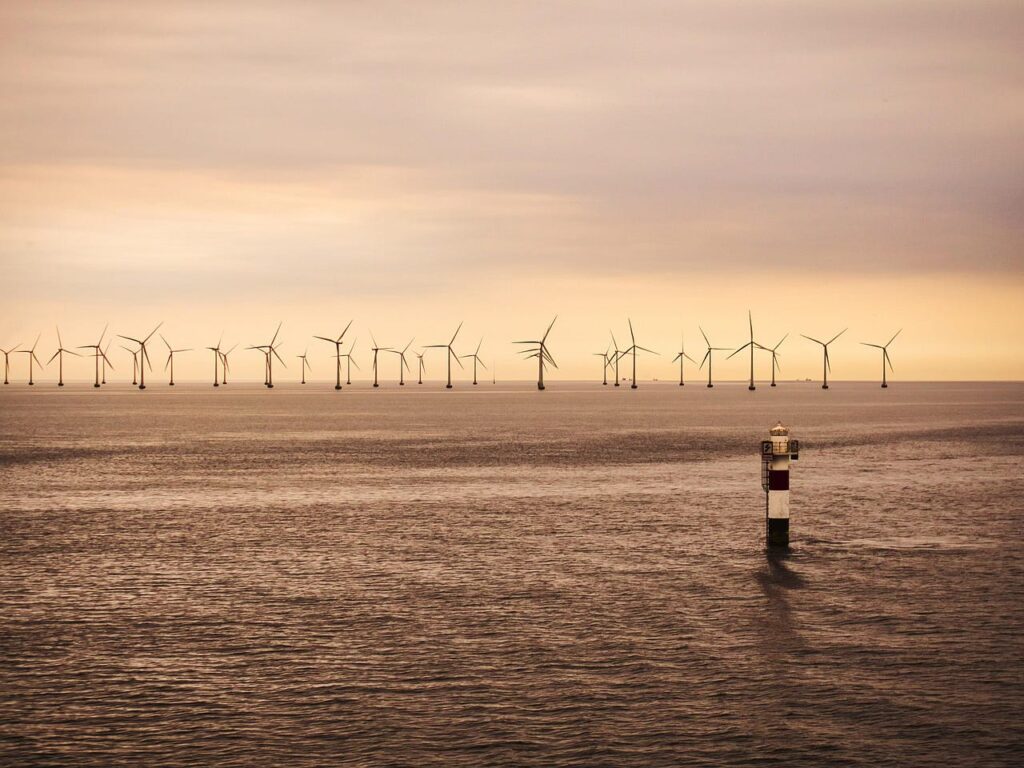
I usually try to open the update with hopeful news that shows a conservation success, but I would be remiss if I failed to highlight this week’s decision by the Endangered Species Committee – nicknamed the ‘God Squad’ for their power over the ultimate fate of threatened and endangered species – to exempt oil and gas drilling in the Gulf of Mexico from restrictions under the Endangered Species Act (ESA).
Maxine Joselow reports for the New York Times:
Until Tuesday, the God Squad had convened only three times, and never in the past three decades.
It was the Trump administration’s latest move to weaken the Endangered Species Act, the bedrock environmental law intended to prevent plant and animal extinctions. In November, the administration proposed to relax restrictions on drilling, logging and mining in critical habitats for endangered species across the country.
While the Trump administration argues that endangered species protections in the Gulf hinder oil drilling, there is no evidence that the ESA has hampered oil production in the Gulf of Mexico. The U.S. is the world’s top producer of crude oil and natural gas, with about 15% produced in the Gulf.
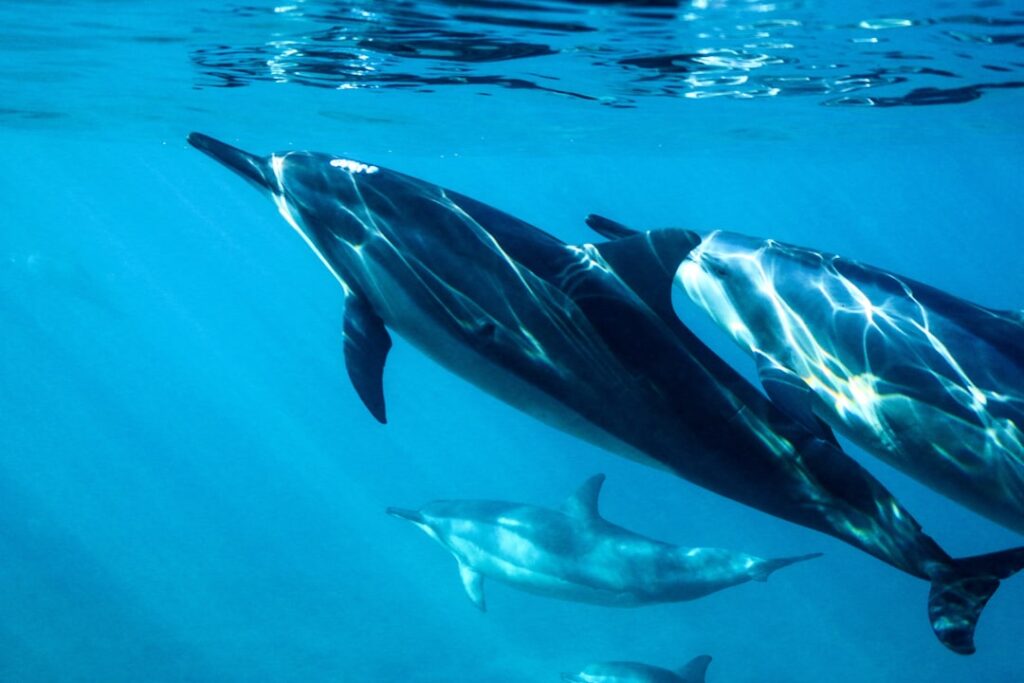
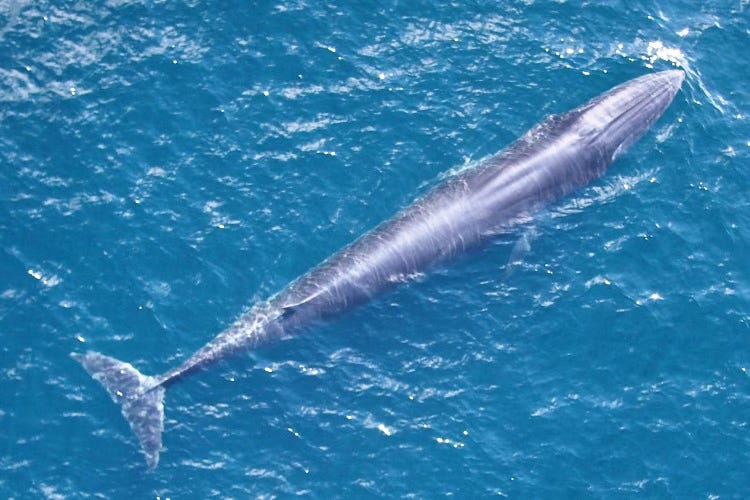
The move could doom the last remaining Rice’s whales, reports Benji Jones for Vox. They were listed under the ESA in 2019. Only 51 are known to be alive now. Jones writes:
[The ESA] requires that federal agencies, including those that approve oil and gas leases, ensure that their actions won’t threaten the existence of species with ESA protection. This was key for Rice’s whale, as the main threat they face is from the Gulf’s oil and gas industry: vessel strikes, noise from exploration, and spills.
The ESA, however, doesn’t actually stop oil and gas drilling, but under the law companies would have to take measures to mitigate any harm to listed species, including Rice’s whales. The ‘God Squad’s’ decision now removes that obligation.
Project to restore salmon to Maine stream shows promise, but challenges remain
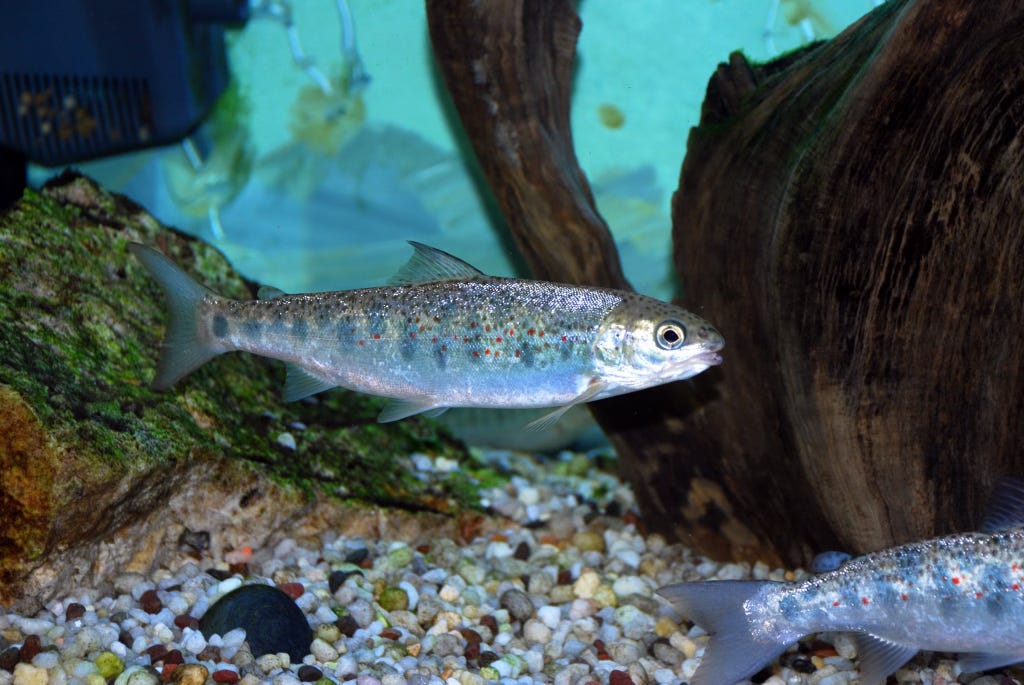
On a more hopeful note, a project to restore a self-sustaining Atlantic salmon population to the Sandy River, a tributary of the Kennebec River in Maine, is showing promise. But local opposition to proposed dam removals could thwart the effort, reports Murray Carpenter for the New York Times.
Carpenter eloquently writes about the 20-year efforts by Paul Christman, a marine scientist with the Maine Department of Marine Resources, to bring hundreds of thousands of salmon eggs to the upstream reaches of the Sandy River watershed.
Atlantic salmon were once plentiful in New England, migrating from spawning grounds in gravelly stream bottoms to the ocean, then back again to repeat the cycle. But dams have blocked their movement from the ocean back to their spawning locations in rivers. At the same time, Carpenter writes:
Marine survival rates for Atlantic salmon have plummeted over the last 35 years, for reasons that are complex and interwoven, including changing prey, shifting currents and warming waters.
Numbers have dropped so low that the Gulf of Maine population is now listed as endangered under the ESA. Restoring the iconic fish is hard work, however. Because four dams block their way, Christman’s team has to intervene, catching salmon returning from the ocean and trucking them upstream of the last dam. Each egg has an extremely low survival rate:
Christman estimates that the 25,000 eggs he planted that March day will produce 10,000 juvenile fish. Of these, one adult might return in the summer of 2029 or 2030. In all, the 495,000 eggs he and his colleagues planted this year could lead to the return of just about 20 adults.
Despite the odds, after years of effort, dozens of adults are now returning to their spawning grounds, and other stocking efforts are adding to the numbers.
Now the Nature Conservancy, a nonprofit environmental group, has agreed to buy the four dams and is raising funds to complete the purchase and undertake subsequent efforts to restore natural, free-flowing conditions to the river. Then salmon could return to the Sandy River on their own, without having to rely on human rides.
However, there’s opposition to the dam removals by a paper mill, which relies on one of the dams for its water supply, and local business groups. So the future remains uncertain for the long-term survival of salmon in the area.
Some snakes get their venom from poisonous toads, but how do they know if they have enough of it?
I love reading – and writing about – quirky facts about animals and plants, both how they behave and how they adapt to the world. So this story caught my eye this week, and serves as a reminder just how much we don’t know about nature – it seems that the more we learn about how animals behave, the more questions are raised.
For example, some venomous snakes don’t produce their own venom, but get it from poisonous toads they eat. But how do they know if they have enough venom to defend themselves?
The red-necked keelback snake, native to Southeast Asia, is one species that does this. When it has absorbed enough poison from their toad meal to be dangerous to other animals, it acts fearless and tough. When it’s low on poison, it tends to avoid confrontations, reports Christa Lesté-Lasserre for Scientific American.
Scientists used to think that the snake can tell if it has enough venom by a sense of fullness from the venom glands. They tested this assumption in a new study by squeezing the glands, thereby removing the venom, from some captive snakes and then compared the snakes’ behavior towards a fake mongoose before and after the venom removal. Lestê-Lasserre writes:
To the team’s surprise, the snakes didn’t seem to realize that their poison tanks had run out. The animals responded to the attacks with their classic, neck-showcasing, daredevil attitude at essentially the same rate, whether before or after squeezing…
It seems that they might instead remember what type of prey they most recently ate.
New species are discovered at record rates – but is it enough to save them before they’re gone?
I’ve written before about the sad fact that there’s a lot we don’t know about life on this planet. We don’t even have a good grasp of how many species there are on Earth.
But there’s hope – as Bryan Walsh writes for Vox, scientists are finding new species faster than ever. According to a study by John Wiens at the University of Arizona, more than 16,000 species per year were described between 2015 and 2020. The acceleration is due to many factors – technological improvements such as genome sequencing, the use of ‘environmental DNA’ and citizen science, among others.
However, many of the new species are also rare, and the more species we find, the rarer they are. Walsh writes:
A study from Wiens’s own lab found that the proportion of threatened species among newly described ones has risen from 11.9 percent (for species described in the 18th century) to 30 percent today, and is projected to reach 47 percent by 2050. The pattern has become grimly routine: a species gets a name and a Red List designation almost simultaneously.
On the one hand, that trajectory isn’t really surprising – if a species were common, we’d probably have described it by now, so newly discovered species are probably rarer than ones we do know.
However, it does serve as a reminder that it’s not enough to simply inventory life on Earth, we also need to allocate resources to find and mitigate the threats that are endangering species.
Fake fur during cultural ceremonies benefits leopards in Africa
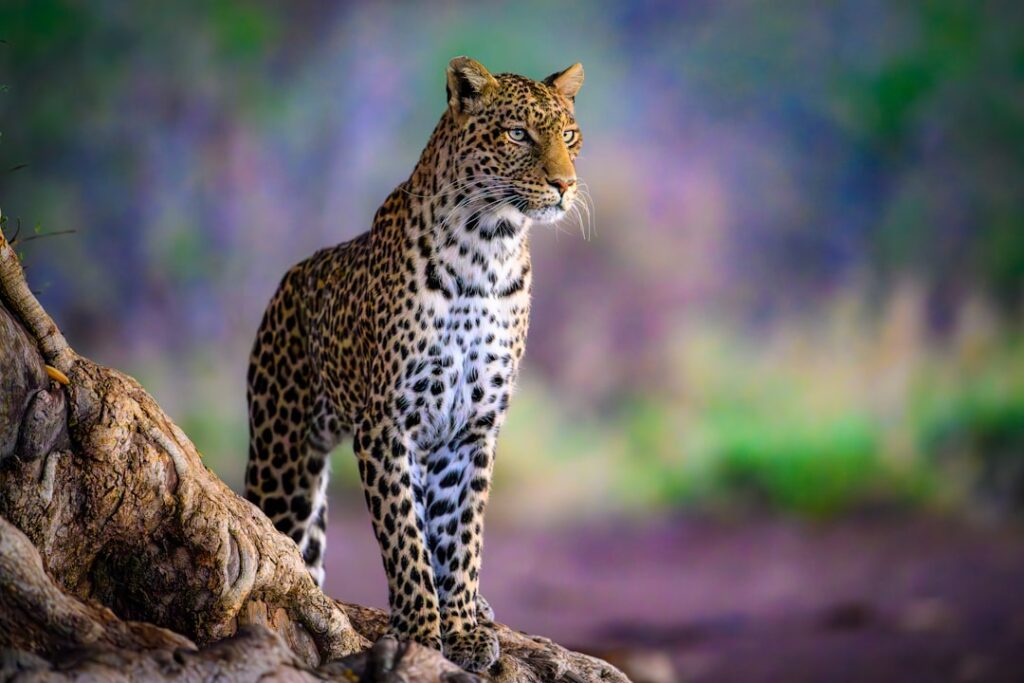
Talking about mitigating threats for charismatic wildlife – I loved this story about a creative conservation strategy that is showing success: substituting faux leopard skins for the real thing in cultural ceremonies in Zambia, reported by Warren Cornwall for Anthropocene Magazine.
The initiative, by the U.S.-based conservation group Panthera, is called ‘Furs for Life Zambia.’ The group collaborated with the Lozi people, who mark the flood season in an annual event where around 1,000 people compete for the honor to ferry their king, the Litunga, on a barge. The ceremony requires an estimated 150 to 250 fur garments each year and is thought to be the prime driver of leopard poaching in the area. Cornwall writes:
Instead of resorting just to threats of a poaching crackdown, Panthera and collaborators worked to find a way to help the ceremony to continue with the full regalia, while also sparing the leopards.
After lengthy testing of synthetic alternatives, they agreed on a satisfactory alternative, and in 2019 the Litunga decreed that only faux furs may be used during the ceremonies. Panthera agreed to supply all fake furs. A recent study documented the success, both for conservation and the community. Cornwall writes:
By 2021, surveys showed that 95% of paddlers approved of the synthetic furs, and by 2024 just 10% of the royal paddlers wore real leopard furs, a 74% drop in two years.
The shift to artificial furs could save between 204 and 1310 adult leopards in the region over a decade, at a cost of between $3,395 and $528 per saved cat.
Motion-sensitive cameras have already detected an increase in the leopard population.
Native seed farm grows native plants to restore California’s ecosystems
Habitat loss is one of the main drivers of biodiversity loss, so restoring degraded areas is an important conservation strategy. But it’s often difficult to find enough locally-sourced seeds – important to ensure that the restored vegetation will be suitably adapted to local conditions – to satisfy the need, reports Michaela Haas for Reasons to be Cheerful:
In recent years, state and federal agencies, tribes, conservation groups and landowners have launched an unprecedented wave of large-scale restoration projects across California — from wetlands and rivers to forests and grasslands. But demand for native plant material has rapidly outpaced supply, and the California Native Plant Society has identified an “urgent and growing need” to coordinate efforts and ramp up supply and set standards of practice.
Haas writes about Heritage Growers, a native seed farm in Colusa, that tackles this challenge on more than 200 acres dedicated to growing native plants. But growing native grasses, wildflowers and shrubs, many of them perennials, is not as easy as growing vegetables. They need to be harvested ethically from local native areas, often by hand, and then grown under carefully controlled conditions. Haas writes:
The farm currently produces more than 30,000 to 40,000 pounds across up to 200 different seed varieties every year. That makes it one of only three large-scale native seed growers in the state, and the only nonprofit. And yet, the output is still far from enough.
So far, Heritage Growers has helped restore thousands of acres, and is helping spread the word and knowledge about how to propagate the natives, some quite finicky, to get more growers to join the effort.
While it’s not ideal that right now demand is outstripping supply, it at least means that restoration projects are underway or planned. Hopefully other growers will recognize the opportunity and jump in as well.
Locally-sourced plants also support local wildlife – from insects at the bottom of the food chain to mammals, birds, reptiles and amphibians.
If you’re interested in growing native plants, check for seed growers in your area who specialize in locally-sourced plants. They’re popping up all over the U.S. these days, and no planting is too small to make a difference.

Pesticides & Pollution
Rising cancer rates in Iowa are linked to environmental pollutants, study finds
Environmental health and human health are closely interlinked, and a new report from the Harkin Institute for Public Policy & Citizen Engagement and the Iowa Environmental Council links Iowa’s rising cancer rates at least partially to pollutants, reports Anika Jane Beamer for Inside Climate News:
High pesticide and fertilizer use in the top corn-producing state, per- and polyfluoroalkyl substances (PFAS) in public drinking water supplies and elevated radon levels in soil and water threaten the health of residents and likely interact to drive up Iowa’s cancer rate, the second highest in the nation, the report’s authors say.
Cancer rates are decreasing in most U.S. states. Among the four main culprits identified in the analysis, only radon is naturally occurring, while pesticides, nitrates from fertilizers and PFAS – also called ‘forever chemicals’ – are associated with the state’s intensive agriculture and industrial manufacturing. Beamer writes:
Much of the discussion about cancer prevention from state leaders has focused on individual behaviors, like smoking, diet and alcohol use, [according to Adam Shriver, director of wellness and nutrition policy at the Harkin Institute and one of the report’s lead authors].
Incidentally, pesticides have also been found to be the main threat to butterflies in the Midwest in a 2024 study. It’s part of the three-part series about the decline of butterflies that’s on this website.
Other studies have also shown correlations between pesticide use and cancer – for example, Carey Gillam reported for the New Lede this week about a Peru study that examined the cumulative effects of pesticides on human health:
A new study of pesticide exposure in Peru finds a mechanistic association between exposure and cancer, and shows how “complex pesticide mixtures” can contribute to the development of cancer in people, even at exposure levels currently deemed safe.
Recycled plastics are repurposed into Hawaii’s roads – with no apparent increase in microplastics
Plastic waste is accumulating everywhere, and a seemingly insurmountable dilemma is what to do with all of it, especially as concerns about microplastic pollution are increasing. It seems that one solution might be to sweep them under the road, one might say, reports Mac Oliveau with Brighter Side News.
Large amounts of plastic, especially abandoned fishing gear, are washed ashore every year in Hawaii. Getting rid of it and the locally produced plastics has been a challenge for the island.
So the Hawaii Department of Transportation has been working with researchers at the Marine Center for Marine Debris Research to process discarded plastics into asphalt for roads. Oliveau writes:
“This work investigates whether it’s responsible to use recycled plastics in Hawaii’s roads,” said Jeremy Axworthy, a researcher involved in the project. “By reusing plastic waste that is already in Hawaii, we can reduce the environmental and economic impacts of transporting waste plastics from the islands, incinerating it or dumping it in Hawaii’s overflowing landfills.”
So far, it seems to be working – after 11 months of use, researchers found no difference in pollution between the road using recycled plastic versus other roads. More tests are needed before the new material can be used on a large scale, however, to make sure no unforeseen problems arise.
And that’s it for this week’s updates. Drop a note in the comments if any article resonated with you, or if there’s another biodiversity or other nature-related story you’d like to share with us!
If you’d like to get new posts sent directly to your inbox every week, subscribe to my newsletter via Substack:
It’s free to subscribe, but if you choose the paid option you’d support my work and help keep my articles free for those who can’t afford a paid subscription!
Not ready to subscribe? It takes many hours to research and write each post, so please consider supporting my work by buying me a coffee (or a beer…😄).
Articles covered:
- The New York Times, 3/31/2026, by Maxine Joselow: The ‘God Squad’ waives environmental rules for offshore drilling.
- Vox, 3/31/2026, by Benji Jones: If these whales go extinct, we’ll know who to blame.
- The New York Times, 3/29/2026, by Murray Carpenter, photos by Greta Rybus: The fragile hope for salmon recovery in Maine.
- Scientific American, 3/30/2026, by Christa Lesté-Lasserre: these snakes steal poison from their prey – here’s how they know they have enough.
- Vox, 3/23/2026, by Bryan Walsh: We’re discovering new species faster than ever – and it might be our best chance to save them.
- Anthropocene Magazine, 4/1/2026, by Warren Cornwall: Fake fur brings real conservation benefits for African leopards.
- Reasons to be cheerful, 3/16/2026, by Michaela Haas: The native seed farm safeguarding California’s future.
- Inside Climate News, 3/25/2026, by Anika Jane Beamer: Iowa’s cancer crisis linked to pesticides, PFAS, fertilizer and radon, report says.
- The New Lede, 4/1/2026, by Carey Gillam: New study advances science linking pesticide exposures to cancer.
- The Brighter side news, 3/22/2026, by Mac Oliveau: Fishing nets and recycled plastic trash are being paved into Hawaii’s roads.
Other resources:
- U.S. Energy Information Administration – World energy rankings
- Iowa Environmental Council – Cancer and environmental risk factors in Iowa